
How Long Does Stroke Rehabilitation Take? Recovery Timeline
How long stroke rehab takes depends on severity, timing and therapy dose. What recovery looks like if rehab starts early, at 3 months or after a year.
Read MoreChoose a traumatic brain injury (TBI) rehabilitation centre that understands the person — not only the injury. Look for a PM&R doctor-led assessment, coordinated therapy, emotional support, family training and clear, assessment-based progress reports.

At Rehabana, we believe effective rehabilitation needs both clinical planning and human connection. A patient should receive appropriate treatment while also feeling respected, understood and cared for.
For families, choosing a centre often comes at a difficult time. Your loved one may have survived a serious injury, but everyday life may now feel unfamiliar. You need to know not only what therapy is available, but also how the team will respond when your family member is confused, frightened, frustrated or unable to explain what they need.
Here are nine things to check before choosing a traumatic brain injury rehabilitation centre in Kolkata.

A traumatic brain injury can affect much more than movement. It may change attention, memory, judgement, communication and behaviour — see our guide to the different types of TBI. These changes can make familiar activities difficult and leave the person feeling overwhelmed.
At Rehabana, we see families who are worried not only about physical recovery but also about changes in their loved one's responses and relationships. Some patients have difficulty recognising family members or understanding familiar situations. Others need repeated reassurance and help with activities they once managed independently.
Families sometimes describe these changes as "behaving like a child." We understand the distress behind that description, but our approach is to recognise an adult whose abilities and support needs have changed — not to treat them as a child. Brain-injury guidance similarly recommends gentle communication without talking down to the person.
When you visit, notice how the staff make your family member feel comfortable and included. Do they:
For us, rehabilitation begins with how a person is treated before the first exercise starts.
The therapy plan should follow an assessment, rather than begin with a standard package.
At Rehabana, the process begins with an outpatient (OPD) consultation with a Physical Medicine and Rehabilitation doctor, also called a PM&R doctor or rehabilitation physician.
The doctor reviews the patient's condition and rehabilitation needs. Together with the therapy assessments, this guides decisions about:
The consultation also helps us understand the patient's emotional, behavioural and family-support needs.
Every patient deserves kindness and care. We adjust how we explain things, reassure the patient and conduct sessions according to what each person needs. Some patients need more time, repeated explanations or extra support to feel comfortable during therapy.
Ask any centre: "Who decides the therapy plan, and how will it change as the patient's needs change?"
A patient may struggle to recognise someone, follow instructions or express a need. That does not mean their feelings should be overlooked.
After TBI, the way a person experiences or expresses emotion can change. Memory and thinking difficulties can also contribute to sadness, worry, frustration or anger. Calm communication, acknowledgement of feelings and supportive feedback are important parts of responding to these difficulties — and a rehabilitation psychologist can help when they persist.
At Rehabana, we place importance on building a caring relationship between patient and therapist. We want the patient to experience the patience, reassurance and attentiveness that a supportive family member would offer, while maintaining professional boundaries.
In a therapy session, this may mean:
Warmth does not replace skilled therapy. It is part of how we deliver it.
A person may be able to move an arm or take steps but still struggle to organise a simple task, communicate a need or take part in daily life.
TBI can affect attention, information processing, memory, planning and judgement. Assessing these difficulties helps guide a more appropriate treatment plan.
At Rehabana, we want to understand what is preventing the person from taking part in everyday activities — not only which movement is difficult. Depending on the patient's needs, the rehabilitation assessment may consider:
Ask the centre how it identifies these needs and how the professionals involved will work towards shared goals.
For some people with TBI, one of the hardest experiences is losing the ability to take part in ordinary life. A person who once worked, cared for a family or managed a household may now depend on others for basic tasks. Changes in thinking and emotion can make this even more distressing.
At Rehabana, we want therapy goals to reflect what matters in the patient's daily life. Goals can focus on everyday activities, such as:
These are examples, not promised outcomes. Appropriate goals differ from person to person — occupational therapy after brain injury is often central here.
Ask: "How will this therapy help my family member take part in daily life?" A clear answer should connect the activity being practised with a meaningful purpose.
After a brain injury, a patient may find it difficult to understand instructions or explain how they feel. They may become upset when they cannot keep up with what someone is asking. This does not always mean they are refusing therapy.
At Rehabana, we believe the therapist should first try to understand what is making the activity difficult, rather than simply asking the patient to keep going. For example, the therapist may need to:
Giving time, offering breaks and reducing stress can help support someone who feels overwhelmed after a brain injury.
Families often ask, "How will we help our loved one at home?"
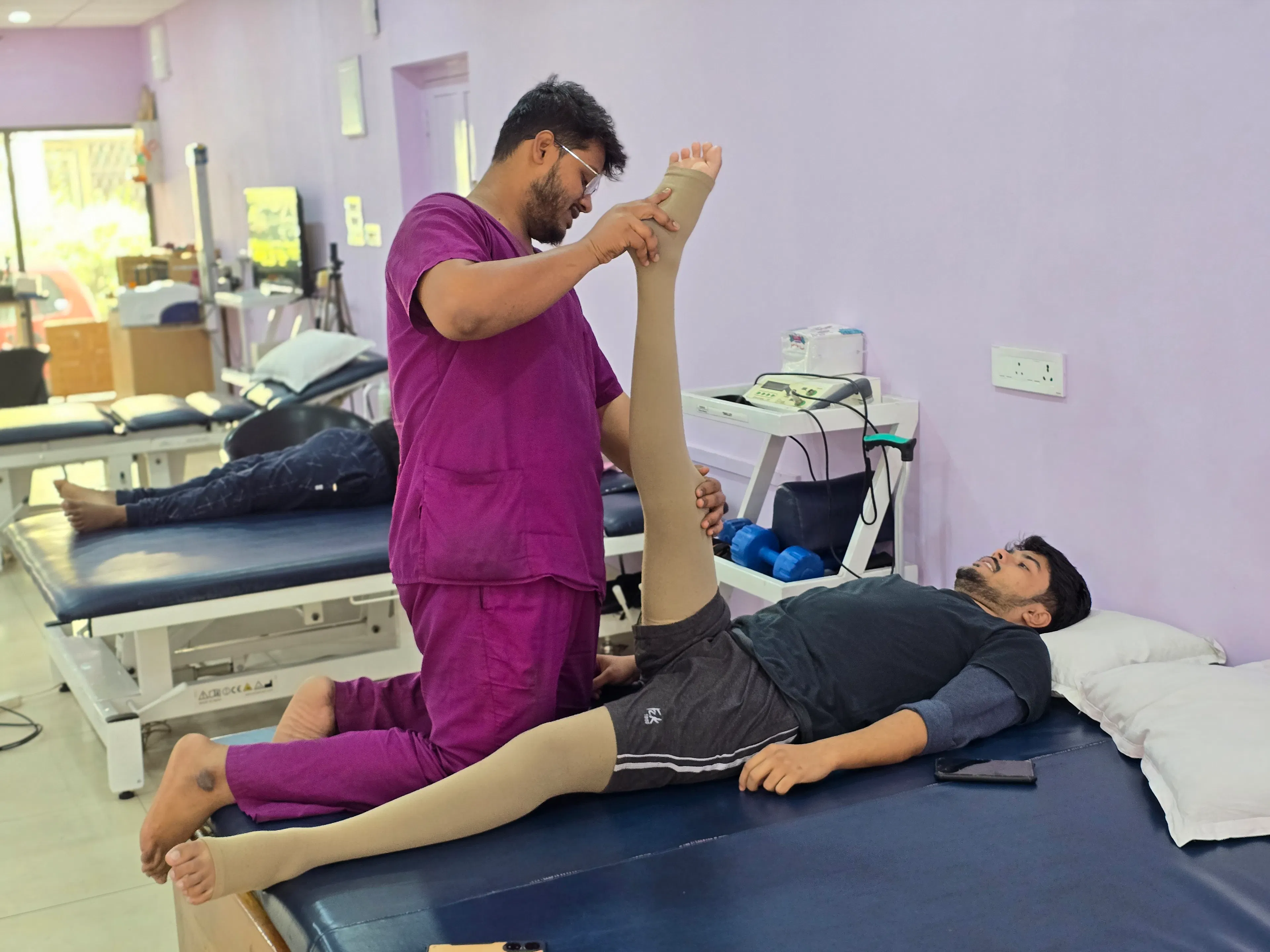
At Rehabana, we include family members and caregivers in practical training. Our therapists demonstrate how to help with everyday movements, then guide the caregiver as they practise with the patient. Based on the patient's abilities and the therapist's assessment, training may include:
We explain how much help to give and how to follow the method taught by the therapist, rather than pulling or lifting the patient without guidance. Family members can ask questions and discuss anything they find difficult. Our aim is to help them feel more confident caring for their loved one at home, while keeping both patient and caregiver safe.
Families should not have to rely only on statements such as "the patient is doing better."
At Rehabana, we use assessment findings to prepare a rehabilitation progress report. It explains the patient's starting abilities, the goals being addressed and the changes recorded during review. The purpose is to make progress understandable — not simply to provide a score.
A useful discussion around the report should explain:
Progress reports may show improvement in some areas and continuing difficulties in others. They should support honest conversations, not imply that every patient will recover at the same rate. Recovery of thinking abilities after TBI varies, and predicting the extent of improvement can be difficult.
Ask the centre: "Will you show us the assessment findings and explain what they mean for daily life?"
Before committing to a programme, make sure your family understands how it will work. Ask for clear information about:
At Rehabana, the next step follows the patient's assessment and review — not an assumption that everyone needs the same programme. Planning beyond the therapy room matters too: families need to understand how to support daily routines and carry practised skills into life at home, especially after discharge.
For us, traumatic brain injury rehabilitation is not simply a series of exercises. It is also the patience to repeat an explanation, the willingness to listen when communication is difficult, and the care to recognise distress behind a change in behaviour.
We want patients to feel supported, not merely instructed, and families to understand why a therapy is recommended and what the assessments show. Our approach brings together:
The first step is an OPD consultation with our PM&R doctor. Bring the hospital discharge summary, relevant reports, the current medication list and your main concerns about everyday care.
Look for a centre where a PM&R doctor leads the assessment, therapy is planned around the individual, staff communicate respectfully, families are trained, and progress is shared through assessment-based reports. Clear information on fees and next steps is also important.
Rehabilitation usually starts once the patient is medically stable, and the hospital team or a PM&R doctor can advise on timing. Early assessment helps identify needs such as movement, thinking, communication and swallowing.
A typical team includes a PM&R doctor, physiotherapist, occupational therapist, speech and language therapist and psychologist, working with the family. The exact team depends on the patient's needs.
Yes. Family involvement is important. At Rehabana, therapists train caregivers in safe transfers, walking support and daily routines, and families take part in progress discussions.
Bring the hospital discharge summary, scan and test reports, the current medication list and a note of your main concerns about everyday care.
Start with an OPD consultation with our PM&R doctor. We'll assess your loved one's needs and explain a plan that combines clinical direction with patience and dignity.
Knowledge That Guides Recovery
Get expert neuro rehabilitation tips from the doctors at Rehabana, Kolkata — simple guidance on stroke recovery, spinal cord injury rehab, Parkinson’s care, and enhancing quality of life after neurological conditions.
How long stroke rehab takes depends on severity, timing and therapy dose. What recovery looks like if rehab starts early, at 3 months or after a year.
Read More
Physiotherapy vs occupational therapy: PT improves movement, strength and walking; OT builds daily skills like eating and dressing. When you need both.
Read More
Choosing a traumatic brain injury rehab centre in Kolkata? Use this 9-point checklist: PM&R-led assessment, family training, progress reports and more.
Read More