
Gait Training After Stroke: How Therapists Rebuild Walking
How gait training after stroke works: assessment, braces and walking aids, overground, treadmill and robotic practice, and what progress looks like.
Read MoreGait training after stroke is structured, repeated walking practice guided by a therapist. It starts with an assessment of what makes walking difficult — weakness, foot drag, poor balance or fear of falling — and then combines strengthening, balance work, walking aids or braces and task-specific walking practice to help a person walk more safely and confidently.

Gait means the way you walk. Gait training means practising how to walk safely and properly, and it helps a person improve walking ability, balance, coordination and confidence.
After a stroke, some people cannot stand or walk without help. Others can walk short distances but drag a foot, take uneven steps or feel afraid of falling. At Rehabana, gait training starts by identifying what makes walking difficult and planning rehabilitation around the patient's everyday needs — for example, being able to walk to the toilet independently instead of depending on others.
Patients come to Rehabana during early recovery or months after a stroke. Common difficulties include:
Stiffness from spasticity can also make the leg hard to move. A patient may be able to reach the bathroom with help but still struggle to move safely around the home, so our assessment looks beyond whether a person can walk — we examine how safely and effectively they do it.
Our multidisciplinary team, led by a PM&R doctor, first identifies the main barriers to movement. Assessment includes:
These findings shape an individual rehabilitation plan. Stroke rehabilitation guidelines support assessment-led, goal-oriented treatment rather than the same exercise programme for every patient. Someone who cannot yet stand needs a very different starting point from someone who walks with a limp.
If the foot drags or the ankle needs support, the team may assess whether an ankle-foot orthosis (AFO) — a brace that supports the ankle and foot — can improve walking. A stick, quad stick or walker may also be considered, depending on the person's balance and support needs.
Not every patient needs an orthosis. The choice should follow an individual assessment, with reassessment to check whether the device is still suitable as walking improves.
Treatment focuses on the difficulties found during assessment. It may include:
Repeated, task-specific and progressively adapted training is recommended to improve walking after stroke. This works through neuroplasticity — the brain's ability to relearn movement through practice. Strengthening and joint exercises support this process, but they do not replace walking practice.
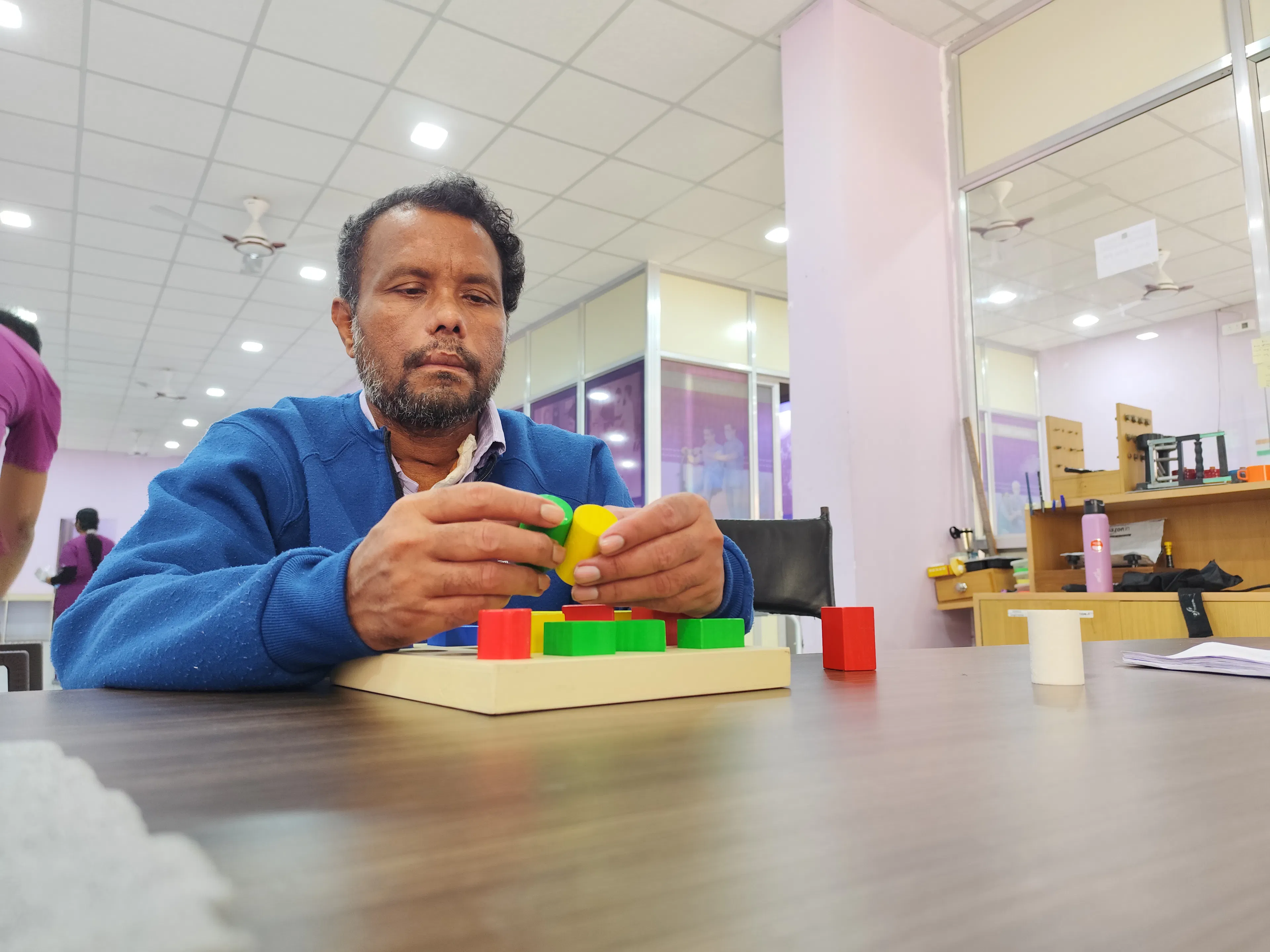
No single method suits everyone. Therapists often combine several, moving from more support to less as the person gets stronger:
Robotic therapy is a tool that increases the amount of practice; it does not replace the therapist, who decides how and when to use it alongside physiotherapy.

Progress is not only walking without a stick or another person's help. It may mean needing less assistance, dragging the foot less often, walking farther with appropriate support, or reaching the toilet more safely.
Common milestones families can look out for:
At Rehabana, the aim is safer, more useful walking — not simply a greater number of steps. Goals should reflect the patient's condition, assessment findings and response to rehabilitation. See how long rehabilitation takes after a stroke for typical timelines.
If a fall happens, or you notice sudden weakness, trouble speaking, confusion or a severe headache, seek emergency medical help straight away.
Whether a patient is beginning to stand after a recent stroke or still has walking difficulties months later, our approach begins with understanding the movement problem. The team then plans individualised training, considers suitable walking support and reviews progress regularly. Rehabana's doctor-led centres in Salt Lake and Kalighat bring physiotherapy, occupational therapy, robotic systems and family training under one roof — read more about stroke rehabilitation in Kolkata.
As soon as the doctor considers the patient medically stable — often within days. At Rehabana, some patients start rehabilitation just 3–4 days after hospital discharge.
It varies widely. Some people walk within weeks, while others need many months of therapy, and some continue to need a walking aid. Stroke severity, other health problems and how consistently a person practises all play a part.
Neither is automatically better. Robotic training allows many consistent steps, which helps people with marked weakness, while conventional therapy trains real-world walking. Combining them under expert guidance usually works best.
No. An AFO is considered when the foot drags or the ankle needs support, and only after an individual assessment. It should be reviewed as walking changes.
Yes. Recovery is usually fastest in the first months, but many people keep improving strength, balance and walking quality with ongoing therapy. A fresh assessment can show what is still possible.
Our PM&R doctors and physiotherapists assess what is holding walking back and plan gait training — from AFO advice to robotic-assisted walking.
Knowledge That Guides Recovery
Get expert neuro rehabilitation tips from the doctors at Rehabana, Kolkata — simple guidance on stroke recovery, spinal cord injury rehab, Parkinson’s care, and enhancing quality of life after neurological conditions.
How gait training after stroke works: assessment, braces and walking aids, overground, treadmill and robotic practice, and what progress looks like.
Read More
Can physiotherapy help Parkinson's disease? Yes. How it improves walking, balance, posture and freezing, what exercises involve and when to start.
Read More
How long stroke rehab takes depends on severity, timing and therapy dose. What recovery looks like if rehab starts early, at 3 months or after a year.
Read More