


Neuro Rehabilitation in Kolkata After Hospital Discharge
Returning to West Bengal after hospital treatment? Continue structured, multidisciplinary Neuro Rehabilitation closer to home with Rehabana.
Read MoreMaybe your father can't manage the two steps at the front door anymore. Or your mother's walk has turned into a slow shuffle since the Parkinson's started. That's what neurophysiotherapy is for. It's slow, patient work, and families are a big part of it.
Doctor-planned physio for neuro conditions
Walking, balance and standing practice
Clear goals you can actually measure
Home exercises your family can help with

Physiotherapy for the nervous system
People call it neuro physio, neurological physiotherapy, neurophysiotherapy. All the same thing. It's physio for when the problem sits in the brain, the spinal cord or the nerves, not in the muscle itself. A lot of families find this confusing at first, and fair enough. After a stroke the leg muscle is usually fine. What's gone wrong is the signal from the brain telling it to move. So we don't just hand out weights. We get the person standing up from a chair, turning in bed, taking a step, over and over, because that's how the brain slowly works out a new route. Doctors have a word for it, neuroplasticity. In the therapy room we mostly just say "relearning".

Not all physiotherapy is the same
Physio isn't one thing. The orthopaedic side handles bones and joints: back pain, a frozen shoulder, getting back on your feet after a knee replacement. Neuro physio is for the brain, spinal cord and nerves. Chest physio helps people breathe better. Then you've got physio for kids, for elderly people and for sports injuries. Ask a physio student "what are the 4 types of physiotherapy?" and you'll probably hear orthopaedic, neurological, cardiorespiratory and paediatric. Real patients don't stay in neat boxes, though. Plenty of people with Parkinson's turn up with a sore shoulder as well, and we treat both.

When to ask for help
Worth getting checked if any of this sounds like home:
Conditions we work with
Each condition has its own habits, so the plan for one person can look nothing like the plan for the next. Below is the short version. The detailed guides are linked.
Usually one side goes weak or stiff, or just won't do what it's told. The first few months count for a lot, so we like to start early. Our page on physiotherapy after stroke goes through it stage by stage.
Steps shrink, turning around gets awkward, and falls creep in. Oddly, thinking "big" helps: big steps, big arm swings. So does counting out loud. More on physiotherapy for Parkinson's.
A lot depends on where the spine was hurt. Some people work towards walking again. Others aim for steady sitting and moving safely from bed to wheelchair. See physiotherapy for spinal cord injury.
A head injury can mess with balance, movement and concentration all at once. We often begin with plain sitting and standing, and go from there. Read about physiotherapy after traumatic brain injury.
MS brings weakness, a wobbly balance and a heavy tiredness that comes in waves. Exercise helps. Knowing when to stop helps just as much. See physiotherapy for multiple sclerosis.
MND keeps changing, so the focus is comfort and safety, and staying active as long as possible. See physiotherapy for motor neuron disease.

A rehab doctor plans the programme. The physio carries it out and keeps the doctor in the loop.

OT, speech therapy and counselling are under the same roof, so everyone's pulling the same way.

We test, agree goals with you, then test again. You get real numbers, not vague reassurance.

We practise everyday things. Our inpatients even go out and walk on the road.

We'll tell you roughly how many sessions to expect, and work around your budget.
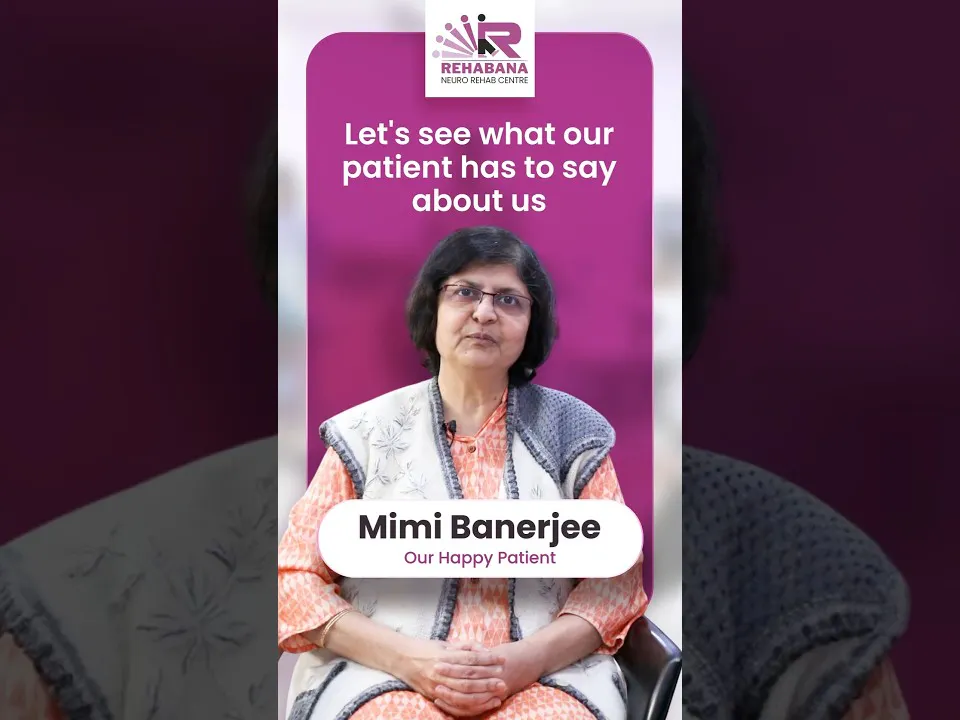
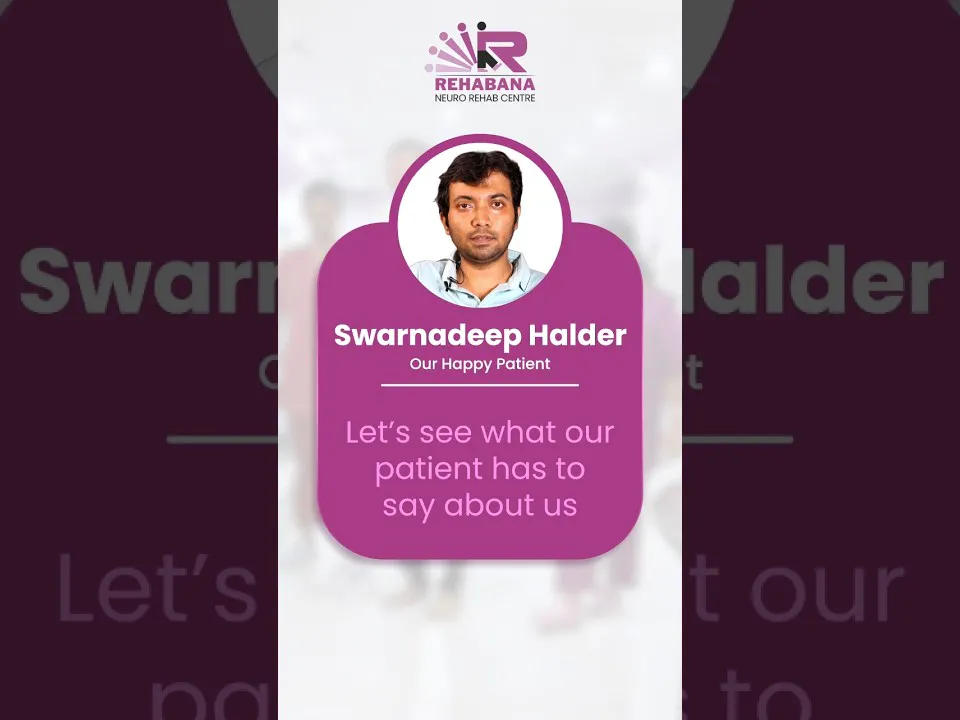
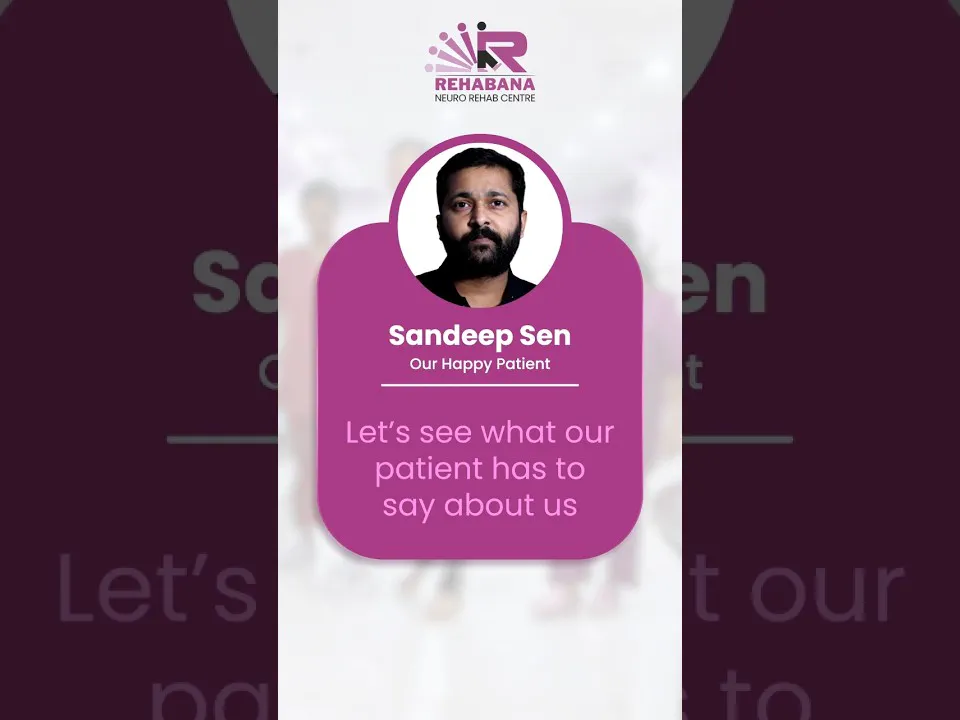
Patient Stories
Hear directly from patients and families who have experienced meaningful recovery at Rehabana. Their stories reflect our commitment to personalized care, consistent progress, and compassionate support throughout the rehabilitation journey.
Your Recovery Starts With the Right Care

Our treatments follow evidence-based protocols delivered by certified rehabilitation professionals.

Specialized care for stroke, paralysis, spinal injuries, and chronic pain recovery.

Continuous care and emergency assistance whenever you need us.
What to expect
It's a loop really. We check, we agree goals, we practise, then we check again.

Mostly talking, at first. What happened, what a normal day looks like now. Then strength, balance, walking and muscle stiffness.
A proper goal is specific. For example, "walk to the gate with a stick, without anyone holding on, by the end of six weeks".


Hands-on practice of whatever you want back, and a few exercises to keep doing at home.
Same tests, every few weeks. If things stall, the plan changes.


Inside a session
Wear comfortable clothes. You'll be working.

Measuring progress properly
"He seems a bit better" isn't much to go on, so we time and score things. In the Timed Up and Go test, the person gets up from a chair, walks three metres, turns, comes back and sits down, and we note the seconds. The Berg Balance Scale is a set of balance tasks. The 10-metre walk test gives walking speed. The 6-minute walk test shows how far someone can go before they tire. After a stroke we may add the Fugl-Meyer assessment, which looks closely at the arm and leg. Do the same tests a few weeks later and you can actually see the difference, or see that there isn't one yet.

Time and patience
This is the question every family asks, usually in the first five minutes. The truthful answer is that it varies a lot. It depends on the condition, how bad it is, how long ago it started and, quite a lot, on how much practice gets done at home. After a stroke or injury, the biggest changes often come in the first few months. Still, we see people improving a year or more later. Parkinson's, MS and MND are different. There, physio tends to come in rounds, with home exercises in between. Getting out of bed more easily might take a few weeks. Walking to the market could take months. And if anyone promises you a full recovery, be a little careful. Nobody can know that at the start.

Centre, hospital or home
Yes. In fact most of the practice ends up happening at home anyway. Just get a proper assessment first, so you know the exercises are safe for that person. Some people need to stay at a rehab centre for a while, with therapy several times a day and a doctor nearby. Others come in two or three times a week. Plenty do a bit of both. Where it happens matters less than doing it regularly and having a plan behind it.

For families
Say your father can get up from his chair with a little push. Lifting him yourself is faster, we know. But if you only steady him and let him do the work, every one of those twenty or thirty stands a day turns into practice. Come along to a session or two and watch how the therapist helps. At home, clear the floor, put in a night light, add a grab rail near the toilet if you can. And please don't forget yourself. Looking after someone all day is exhausting. Our caregiver guides for stroke, Parkinson's and spinal cord injury have a lot more on this.

Stay safe
Physio is safe for most people. Still, a few signs mean you stop and get medical help. A drooping face, an arm or leg that suddenly goes weak, slurred speech, a sudden terrible headache: these can mean a new stroke, so call 112 or get to a hospital straight away. Chest pain, fainting, getting unusually breathless or a calf that's swollen and sore also need a doctor before you carry on.
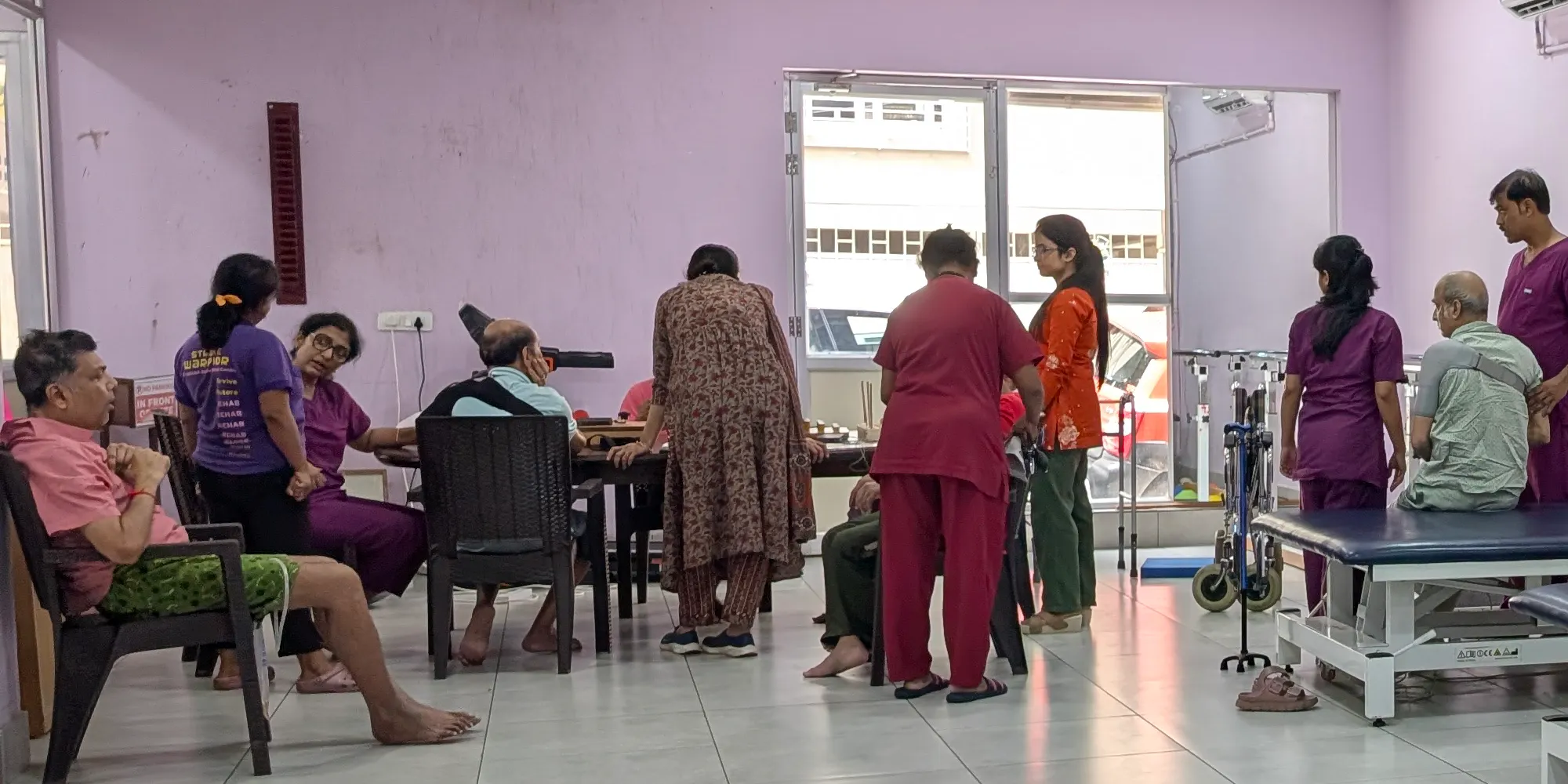
A Closer Look at Healing in Action
Step inside Rehabana and experience our doctor-led rehab environment. From advanced therapy equipment to guided sessions, every space is designed to support meaningful neurological recovery.
Take the first step
Not sure physio will help? Come for an assessment and see. Bring the discharge papers, any scan reports and the list of medicines. We'll give you a straight answer about what we think is possible.
FAQs
It's physio for movement problems that come from the brain, spinal cord or nerves, such as after a stroke or with Parkinson's. Lots of practical, repeated practice helps the brain relearn how to move.
Knowledge That Guides Recovery
Get expert neuro rehabilitation tips from the doctors at Rehabana, Kolkata — simple guidance on stroke recovery, spinal cord injury rehab, Parkinson’s care, and enhancing quality of life after neurological conditions.
Returning to West Bengal after hospital treatment? Continue structured, multidisciplinary Neuro Rehabilitation closer to home with Rehabana.
Read More
Join the Neuro Rehabilitation Support Network, a community initiative convened by Rehabana. Connect with survivors, caregivers and professionals to learn, share and rebuild life together.
Read More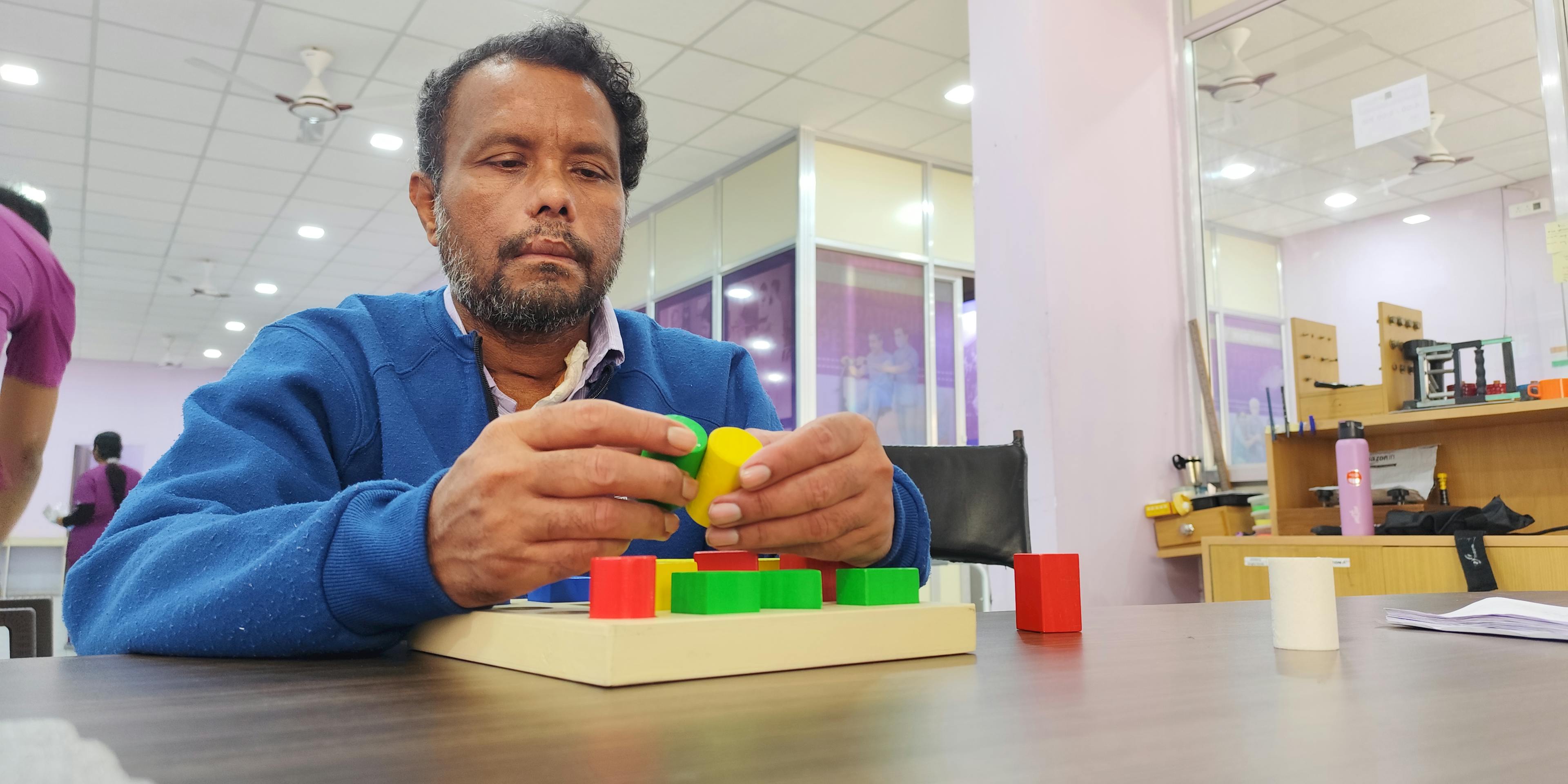
Complete Parkinson's home care guide for families, rehabilitation, safety and daily living.
Read MoreKnowledge That Guides Recovery
Get expert neuro rehabilitation tips from the doctors at Rehabana, Kolkata — simple guidance on stroke recovery, spinal cord injury rehab, Parkinson’s care, and enhancing quality of life after neurological conditions.
Returning to West Bengal after hospital treatment? Continue structured, multidisciplinary Neuro Rehabilitation closer to home with Rehabana.
Read MoreJoin the Neuro Rehabilitation Support Network, a community initiative convened by Rehabana. Connect with survivors, caregivers and professionals to learn, share and rebuild life together.
Read MoreComplete Parkinson's home care guide for families, rehabilitation, safety and daily living.
Read More