

Neuro Rehabilitation in Kolkata After Hospital Discharge
Returning to West Bengal after hospital treatment? Continue structured, multidisciplinary Neuro Rehabilitation closer to home with Rehabana.
Read MoreMaybe your mother's hand has curled into a fist since the stroke, and it hurts every time someone opens it to wash. Or your brother's legs kick and jerk at night after a spinal injury. That stiffness is called spasticity. Pain often comes with it. Both can usually be eased.
A rehab doctor checks stiffness and pain
Stretches and positioning you can do at home
Medicines and injections when they're needed
Goals you can actually measure

Stiff muscles, explained simply
Spasticity means a muscle stays too tight because the brain and spinal cord can't work its "off switch" properly. After a stroke, an injury or an illness like MS, the calming signals from the brain stop getting through. The reflexes in the spinal cord lose their brakes. So the muscle tightens too hard and too easily, and the faster you move the limb, the more it pushes back. Oddly, it isn't always the enemy. Some people lean on the stiffness in their legs to get up from the plastic chair in the bathroom. At home you'd see a leg as heavy as a log. A sudden kick at night. Fingers that won't open for washing.

Getting the words right
Doctors sort spasticity by how much of the body it reaches. Focal spasticity is one or two muscle groups, like a bent elbow or a foot that points down. Multifocal means a few areas, often the arm and leg on the same side. Generalised spasticity covers large parts of the body, often after a spinal cord injury. People also mix up two other words. A spasm is a sudden, short tightening that comes and goes. Rigidity feels equally stiff at any speed. It's typical of Parkinson's disease, and it's treated quite differently.

When to get it checked
If any of this sounds familiar, it's worth a proper check:
Conditions where we see it
Each condition behaves a little differently. Below is the short version, with a link to the fuller guide.
It often creeps in over the months after a stroke, mostly in the arm, hand and calf. Shoulder pain is common too, because a weak arm hangs and drags on the joint. Read more on spasticity and pain after stroke.
Stiffness, spasms and nerve pain below the level of the injury are very common. Be a little careful if spasms suddenly get worse. It can mean a urine infection. See spasticity and pain after spinal cord injury.
A head injury can leave one limb stiff, or several at once. Headaches often come along with it. It doesn't always follow the pattern of a stroke. See spasticity and pain after traumatic brain injury.
Stiff, jumpy legs are common in MS. They often change from day to day with heat, tiredness or an infection. Read our guide to spasticity and pain in multiple sclerosis.
Some forms of MND bring stiffness and cramps. Here the focus is comfort and easier daily care, and the plan shifts as things change. More under symptom management in motor neuron disease.

Where the pain comes from
Pain after a brain or spinal cord problem rarely has just one cause. Some of it is mechanical. Tight muscles pull joints into odd positions, and a weak arm hanging by the side strains the shoulder. Then there's neuropathic pain, meaning pain from the nerves themselves. People describe burning, tingling or little electric shocks. Some can't bear a bedsheet resting on the leg. When the damage sits inside the brain or spinal cord, doctors call it central pain, or central pain syndrome. It can turn up weeks or even months after the stroke or injury. Ordinary painkillers from the chemist often barely touch it.
How spasticity is treated
Most people need daily stretching and regular therapy, plus medical treatment at times. UK and American guidelines agree medicines and injections work best alongside therapy.
Slow stretches, held for a while, keep muscles at their full length. How someone lies in bed and sits in a chair matters just as much. Physiotherapy works on stretching, strength and walking. Occupational therapy looks after the hand and daily tasks.
Splints or a series of casts hold a joint gently stretched when there's a risk of contracture, where muscle and tissue physically shorten. A light ankle brace can help a dropping foot. Splints don't prevent wrist and finger spasticity, though.
When stiffness covers large parts of the body, tablets like baclofen or tizanidine are often tried first. They can make people drowsy or weak, so the doctor starts carefully. Never stop them suddenly without asking, because that can cause serious withdrawal.
For a few specific muscles, botulinum toxin (many people know it as Botox) is a well-established treatment. It's injected into the overactive muscle and quietens the nerve signal. The effect builds over about two weeks and usually fades by three to four months.
A few people with severe, widespread stiffness that hasn't eased may be considered for intrathecal baclofen. That's a small pump under the skin that sends medicine into the fluid around the spinal cord. Surgery is an option in selected cases, at specialist centres.

Treating the pain
First, which kind of pain is it? The fixes differ. Joint and muscle pain often settles with better positioning, careful handling and some support for a weak shoulder. Please don't pull anyone up by a weak arm. Nerve pain usually needs different medicines from the painkillers in the kitchen drawer. Doctors often use medicines first made for depression or epilepsy, because they calm overactive nerve signals. That doesn't mean the doctor thinks anyone is depressed. Finding the right one can take a few weeks. Sleep, pacing the day and someone to talk to help as well. If the pain stays bad, a specialist pain review comes next.

Our doctors hold an MD in Physical Medicine and Rehabilitation, and they lead the plan.

The team includes doctors with fellowship training in pain management, and doctors trained in spasticity care.

We look at muscle tone, joint movement, nerve-related pain and how daily tasks are going.

Medicines for nerve pain and tightness when needed. For severe spasticity, guided injections to relax specific muscles.

Stretching, positioning, mobility and posture work happen in daily physio. Our occupational therapists work on hand use.

Pain and muscle tone are checked regularly, and the doctor reviews each plan every two weeks.
Patient Stories
Hear directly from patients and families who have experienced meaningful recovery at Rehabana. Their stories reflect our commitment to personalized care, consistent progress, and compassionate support throughout the rehabilitation journey.
Your Recovery Starts With the Right Care

Our treatments follow evidence-based protocols delivered by certified rehabilitation professionals.

Specialized care for stroke, paralysis, spinal injuries, and chronic pain recovery.

Continuous care and emergency assistance whenever you need us.
What to expect
Check, agree on goals, treat, check again. Then round we go.

A rehab doctor, or physiatrist, asks about the illness, medicines and sleep. Then they move each joint slowly, then fast, feeling for the "catch".
Stiffness is scored 0 to 4 on the Modified Ashworth Scale, pain 0 to 10. The 10-metre walk test or Barthel Index show daily ability.


A good goal is specific. "Open the hand enough to wash the palm" beats "less stiffness". Then therapy, medicines or injections, as needed.
The same scores, checked again. If something isn't working, the plan changes.


Months, not weeks
Spasticity and nerve pain are usually managed over months and years. A few sessions won't fix them, and we'd rather say so now. Still, most people find it all gets easier to live with. Stretching becomes a daily habit. If injections help, they're often repeated every few months, and the weeks after one are the time to push the stretching, while the muscle is looser. Stiffness also flares. An infection, constipation, a pressure sore, tight clothes, cold, tiredness or stress can set it off, so learn your own triggers. Most of it happens as an outpatient and at home. Early on, inpatient rehabilitation can make sense.

For families
Families handle stiffness and pain every day. So learn the stretches from the therapist, then ask them to watch you do them once. Go slowly. Never force a joint. Check the skin under any splint and over the heels. Keep the bowels regular, because constipation can make spasms worse. Say your mother has MS and her legs jump at night. A quick note each morning of how often she woke, and whether she'd been hot or tired, can show a pattern no doctor would spot in a short visit. If brothers and sisters take turns, keep the note by the tea things so everyone sees it. And look after yourselves too.

Stay safe
A sudden change in stiffness or pain usually has a cause. Call the doctor soon if spasms suddenly get much worse, since a urine infection, constipation or a pressure sore is often behind it. Same for red or broken skin under a splint, or medicines that make someone very drowsy. Some things can't wait. Trouble swallowing or breathing after a botulinum toxin injection needs emergency care. So do signs of a new stroke, like a drooping face or slurred speech. Call 112. And if someone has a spinal cord injury at mid-chest level or higher, a pounding headache with a flushed face may be autonomic dysreflexia. That's a dangerous jump in blood pressure and needs urgent help.
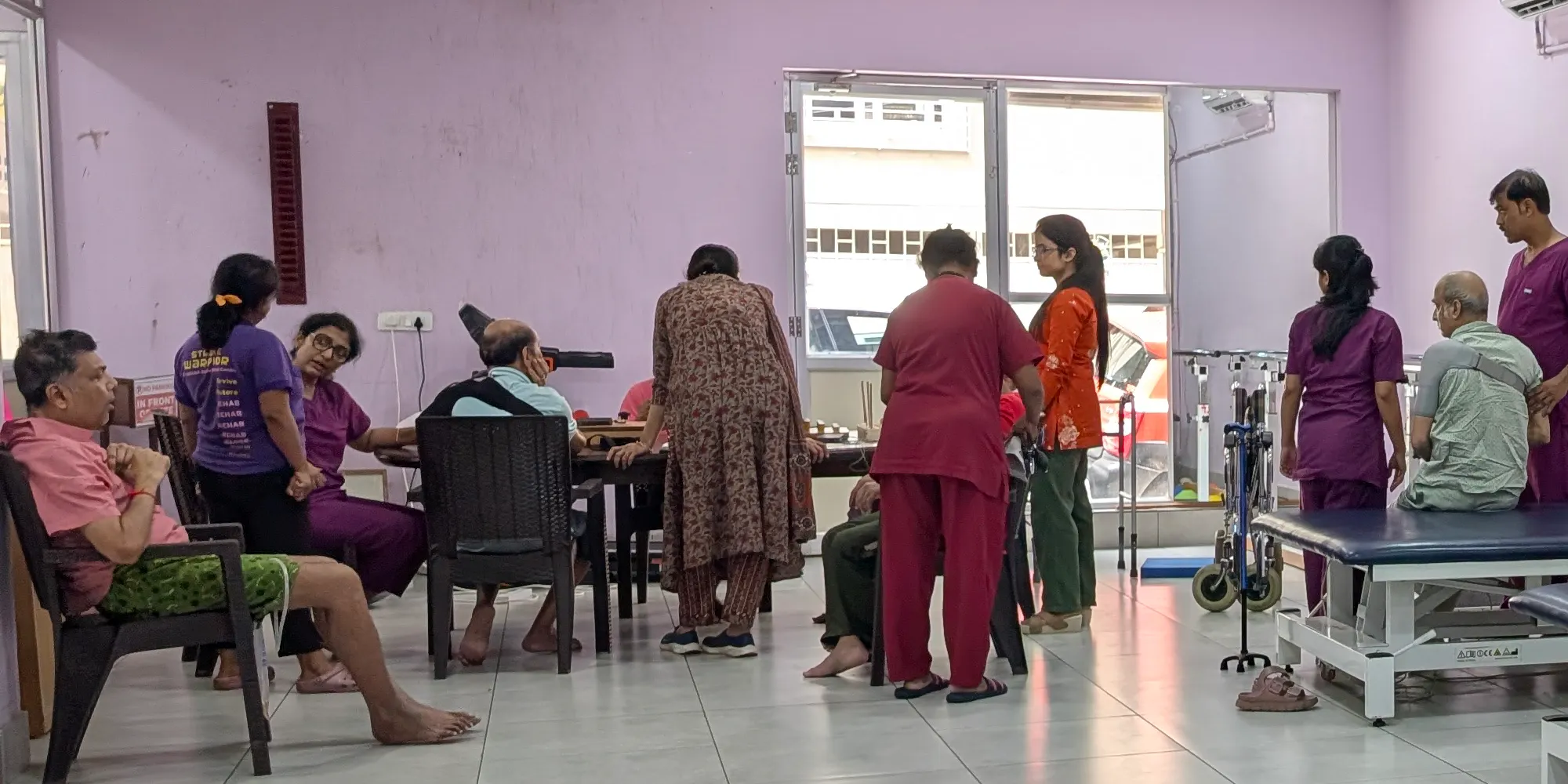
A Closer Look at Healing in Action
Step inside Rehabana and experience our doctor-led rehab environment. From advanced therapy equipment to guided sessions, every space is designed to support meaningful neurological recovery.
Take the first step
Is stiffness or pain holding back recovery? Come and see one of our rehab doctors. Bring the discharge papers, scan reports and medicine list. You can meet our experts first, or see all our rehabilitation services.
FAQs
A spasm is a sudden, short tightening that comes and goes. Spasticity is ongoing stiffness from damage to the brain or spinal cord. Plenty of people get both.
Knowledge That Guides Recovery
Get expert neuro rehabilitation tips from the doctors at Rehabana, Kolkata — simple guidance on stroke recovery, spinal cord injury rehab, Parkinson’s care, and enhancing quality of life after neurological conditions.
Returning to West Bengal after hospital treatment? Continue structured, multidisciplinary Neuro Rehabilitation closer to home with Rehabana.
Read More
Join the Neuro Rehabilitation Support Network, a community initiative convened by Rehabana. Connect with survivors, caregivers and professionals to learn, share and rebuild life together.
Read More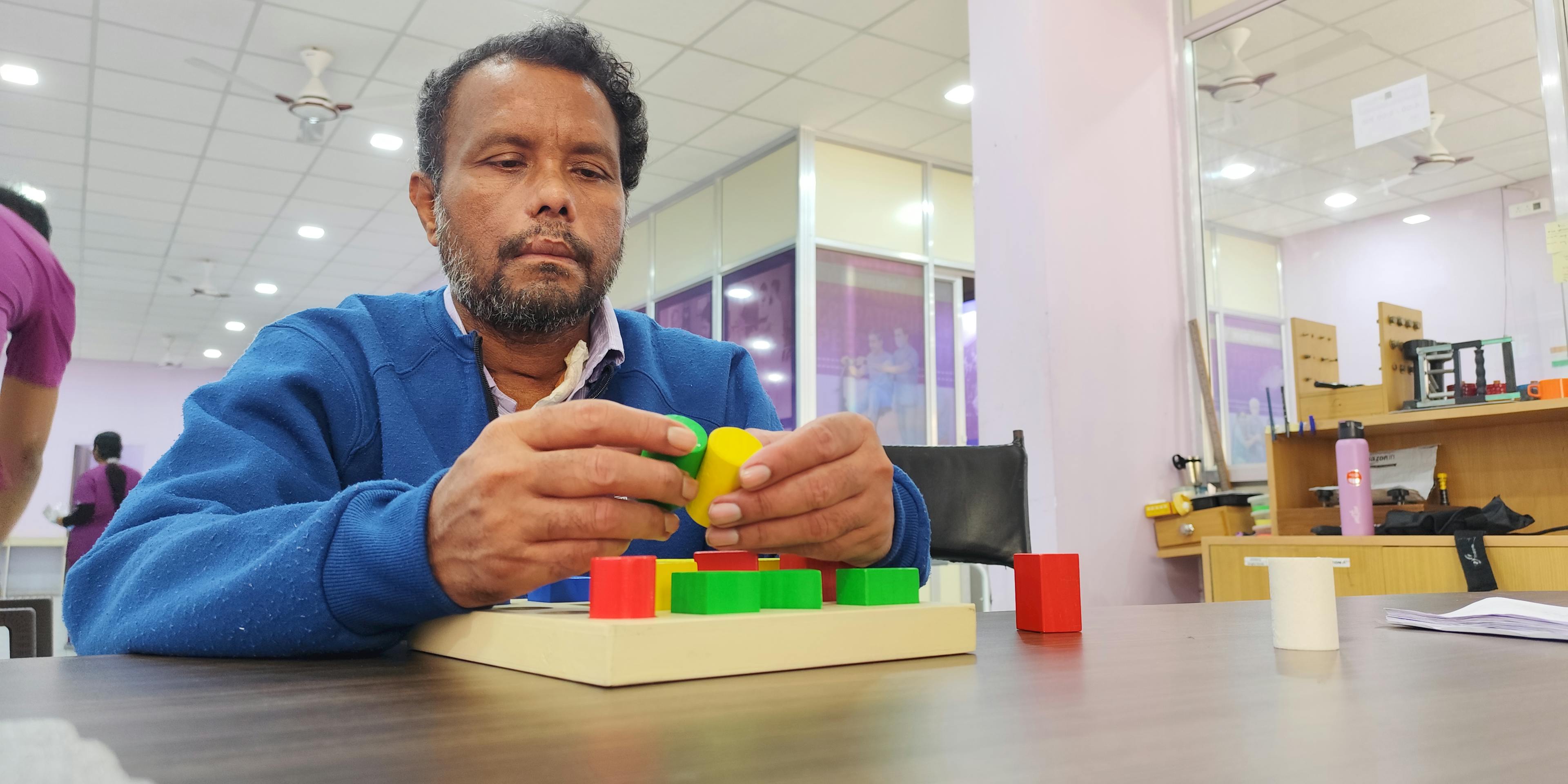
Complete Parkinson's home care guide for families, rehabilitation, safety and daily living.
Read MoreKnowledge That Guides Recovery
Get expert neuro rehabilitation tips from the doctors at Rehabana, Kolkata — simple guidance on stroke recovery, spinal cord injury rehab, Parkinson’s care, and enhancing quality of life after neurological conditions.
Returning to West Bengal after hospital treatment? Continue structured, multidisciplinary Neuro Rehabilitation closer to home with Rehabana.
Read MoreJoin the Neuro Rehabilitation Support Network, a community initiative convened by Rehabana. Connect with survivors, caregivers and professionals to learn, share and rebuild life together.
Read MoreComplete Parkinson's home care guide for families, rehabilitation, safety and daily living.
Read More