Traumatic Brain Injury (TBI): Causes, Symptoms & Recovery

After a head injury, your family member might move, speak or behave differently than before. That’s scary, we know. What changes depends on which part of the brain was hurt. Rehab helps them relearn everyday skills and get as much of their life back as possible.

Traumatic Brain Injury rehabilitation at Rehabana, Kolkata

Every brain injury is different

Traumatic brain injury (TBI): what it is and how rehabilitation helps

No two brain injuries are the same. A traumatic brain injury (TBI) can change how a person moves, talks, remembers and behaves, and how they handle daily tasks. What you see in your family member depends on the type of injury and which parts of the brain got hurt.

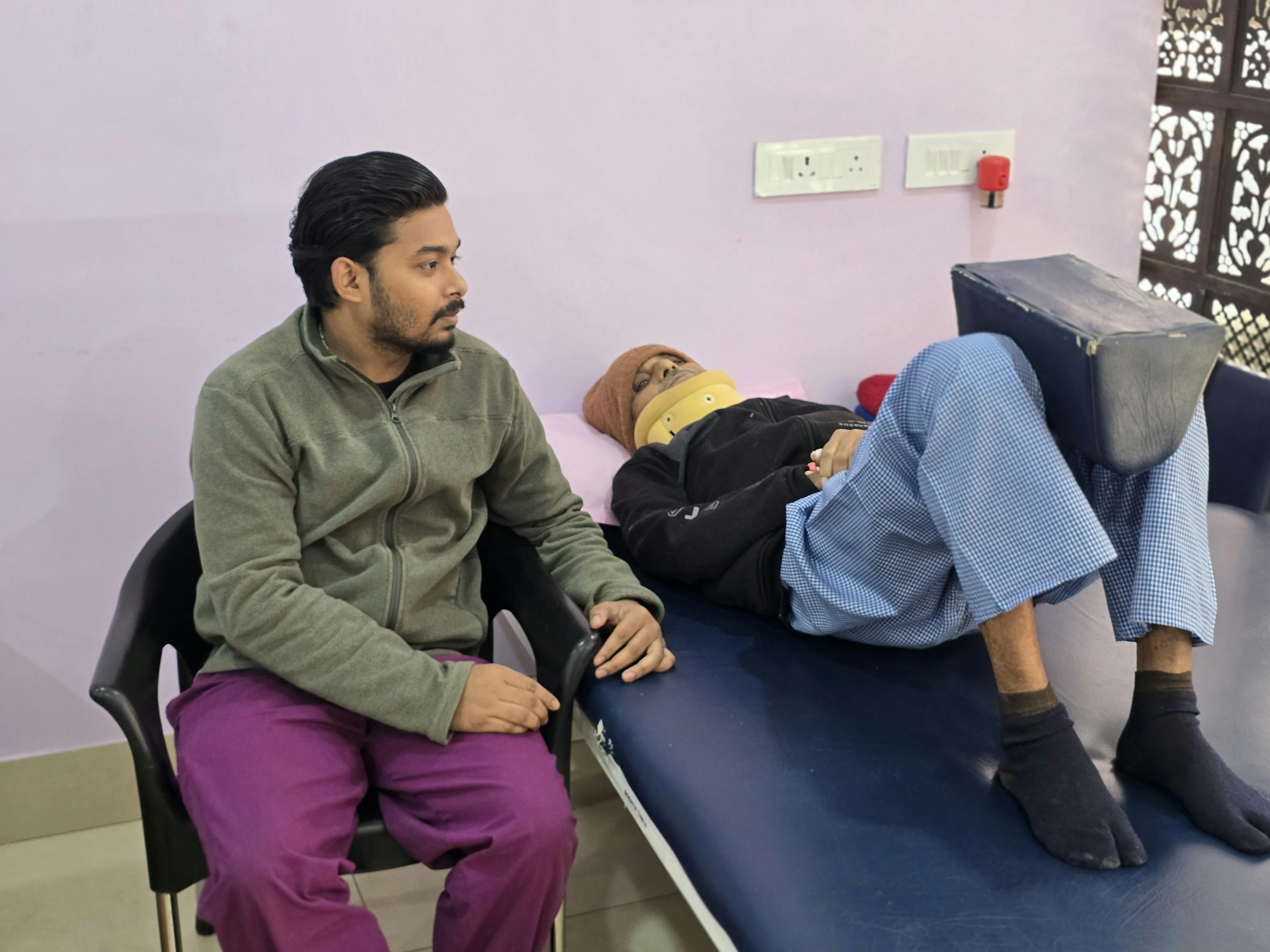
So where do we start? At Rehabana, we first use standard tests to see how the injury shows up in your family member's daily life. Then we agree on practical goals that matter to them and build the rehabilitation plan around those. We want them to be as independent as they can, with a real place again in family and community life. Our traumatic brain injury rehabilitation in Kolkata focuses on what matters to your family member, like moving safely, following daily routines or speaking clearly, so they can take part in home life again.

How a traumatic brain injury happens. Alt text: Diagram of a head seen from the side with the skull and brain shown inside, a force hitting the forehead and a damaged area of the brain, plus icons for common causes (falls, road accidents, sports injuries, blows to the head) and four things TBI can affect: movement, taking in information, communication and emotions.

What is traumatic brain injury?

A traumatic brain injury is damage to the brain caused by a force from outside the body. In everyday life, that usually means a fall, a road accident, a sports injury or a blow to the head.

The brain is in charge of how we move, talk and feel, and how we take in information. An injury can upset any of these. Sometimes the problems go away. But sometimes they last, and the person needs rehabilitation and ongoing help. How it turns out depends on the injury, any complications and the person's own situation.

The TBI rehabilitation cycle at Rehabana. Alt text: A four-step cycle of check and assess (including the Glasgow Coma Scale), set goals, therapy, and reassess and review, shown next to the team members who may be involved: PM&R doctor, physiotherapist, occupational therapist, speech and language therapist, psychologist, nurses and other specialists.

What is traumatic brain injury rehabilitation?

Traumatic brain injury rehabilitation is a planned programme with clear goals. It helps your family member get back the skills the injury took away, for moving, thinking, talking and daily life. Or, if a skill doesn't come back, find a new way around it.
Before therapy starts, Rehabana checks how awake and responsive the patient is (their level of consciousness) using the Glasgow Coma Scale (GCS). In the early days after the injury (the acute phase), that score guides the goals we set.
The programme depends on the person. It can include physiotherapy, occupational therapy, speech and swallowing therapy, therapy for thinking skills (cognitive rehabilitation) and medical care. The team finds out what's hard, sets goals that fit and gives the right treatment. Then we keep checking progress, because needs and abilities change and the programme has to change with them. Nothing is fixed.

Traumatic Brain Injury rehabilitation at Rehabana, Kolkata

Common symptoms of traumatic brain injury

After TBI, symptoms can limit what a person does and how much they take part in daily life. Thinking and talking with others may suffer too, and so can sleep and mood. And all of this may change over time.

Headaches, dizziness, pain, weakness and tiredness (fatigue) are common. Balance and walking can be hard, and so can washing and dressing. Many people have memory problems. They lose focus easily and think more slowly. Some have anxiety, depression, speech problems, a short temper or changes in behaviour. Nobody gets quite the same mix. If symptoms are new or getting worse after a head injury, see a doctor straight away. Don't wait.

How TBI symptoms can affect everyday life. Alt text: Infographic grouping common TBI symptoms (body, thinking, feelings and behaviour, speech and sleep), six everyday tasks that can be hard, and a note that some problems are easy to see while others, like poor concentration and mood changes, are harder to spot, all turned into practical rehabilitation goals.

How TBI can affect everyday life

Want to know what a traumatic brain injury has really changed? Watch a normal day, and see what your family member can and can't do in it.

Say your father can sit up in bed but can't walk to the bathroom safely alone. You'd notice that at once. You'd also notice trouble with dressing, bathing or cooking, or with telling you what he needs. He may forget instructions, and going back to work or studies may be hard. Poor concentration and mood changes are harder to see, and families often miss them at first. Rehabilitation turns all of this into practical goals that matter to him and the family.

One thing families should hear early. At Rehabana, we've treated patients who had seizures (fits) even after they'd made all the progress they could in rehabilitation. After a seizure, some of them slipped back for a while and couldn't do what they'd done before. That's a very hard time for patients and families.

Traumatic Brain Injury rehabilitation at Rehabana

Assessment after traumatic brain injury

A careful rehabilitation assessment shows where things stand today. It shows what your family member can and can't do, and what they need to stay safe. It also shows where they could get better.

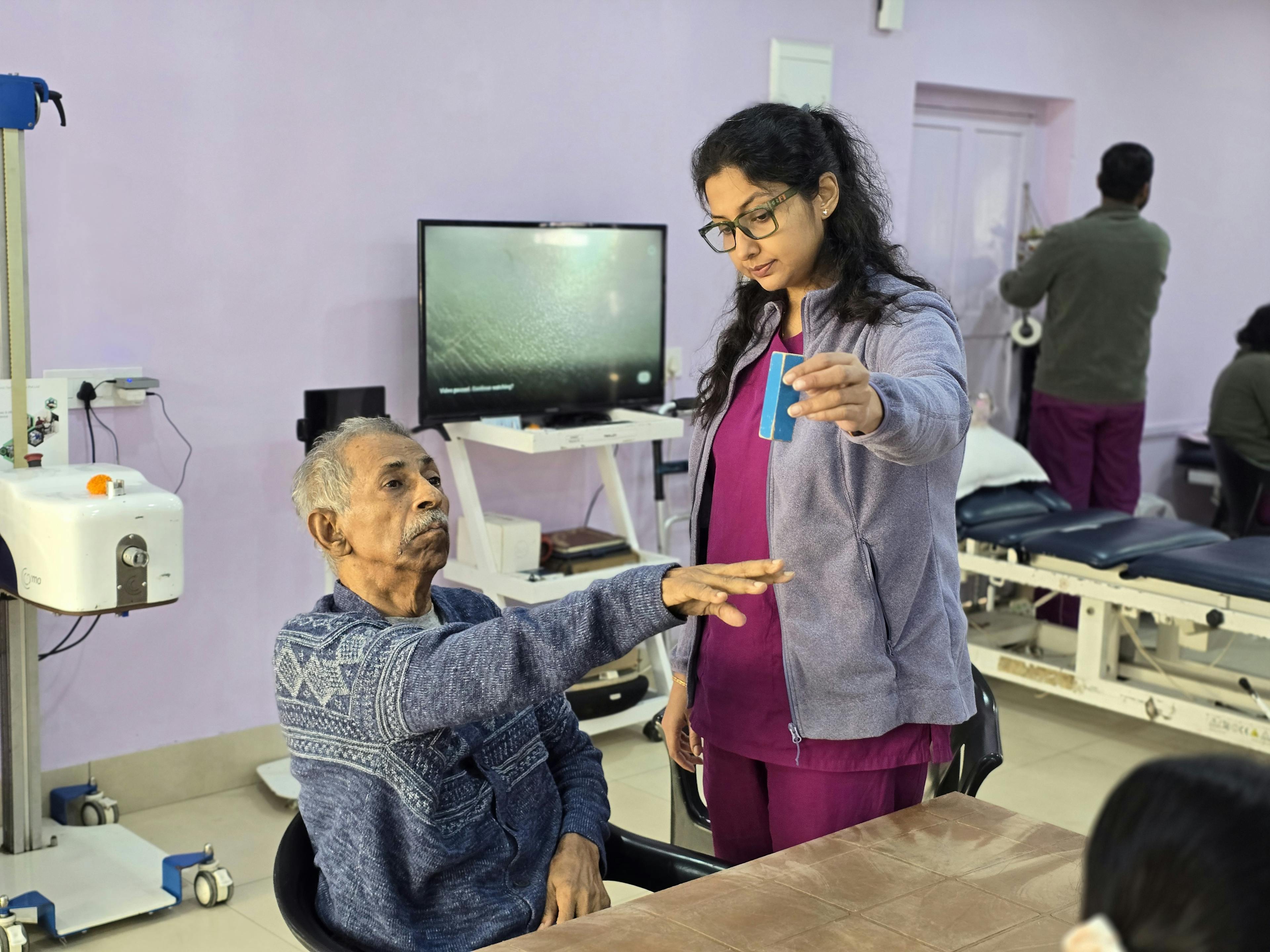
Many people with TBI are less awake than usual, or lose consciousness for a while. As their Glasgow Coma Scale (GCS) score gets better, and depending on their condition, Rehabana picks the right tests. These include the Modified Ashworth Scale (for muscle stiffness), Manual Muscle Test, 6-Minute Walk Test, 10-Meter Walk Test, Berg Balance Scale and Functional Independence Measure (FIM). The results shape the plan and show us how everyday skills are coming back.

What might we look at? Movement, balance, getting around and looking after themselves. But also talking, swallowing, thinking, behaviour and daily activities. We also check whether they're medically stable, any other health problems, the home, and how much help caregivers can give. All of that becomes the starting point (baseline) we measure progress against.
Traumatic Brain Injury rehabilitation at Rehabana, Kolkata

Setting baseline goals after TBI

Baseline goals put what the person can do today next to what they need to do, and set how we'll measure progress.

How do we set goals? At Rehabana, it depends on how awake the patient is, how well they can think (cognitive status) and what they manage day to day. Then we split the goals into short-term and long-term.

Short-term goals start in bed. Easier moving in bed, better control of the body's middle (trunk control), stronger muscles that are less tight. Then standing up from sitting with less effort, and sitting for longer in high sitting and long sitting (legs straight out in front). That sounds small until you're the one helping at home. We also help the brain make sense of the senses (sensory integration) and work on daily self-care (activities of daily living, or ADLs).

The long-term list looks further ahead. Moving from bed to chair, on their own or with help. Steadier balance, both when standing still and when moving (static and dynamic balance). Keeping up their daily activities (ADLs). And, in time, walking, with or without a walking aid.

Traumatic Brain Injury rehabilitation at Rehabana

The TBI rehabilitation team

Depending on what your family member needs, traumatic brain injury rehabilitation may need several health professionals working together as one team.

A Physical Medicine and Rehabilitation (PM&R) doctor, who specialises in rehab, may lead the plan and look after medical care. Physiotherapists, occupational therapists and speech and language therapists each handle a different part, and nurses, psychologists or other specialists may join in. But it's one set of goals. As the person gets better and their needs change, we change the plan.

Traumatic Brain Injury rehabilitation at Rehabana,

Traumatic brain injury treatment

Treatment after a traumatic brain injury depends on the type of injury, how bad it is, any complications and the person's medical condition.

Early medical care might mean emergency checks, close watching (monitoring), surgery or other treatment when needed. Rehab then deals with problems that stay, or that show up as the person recovers. The two do different jobs but work together. Who decides the plan? The treating medical team should.

Traumatic Brain Injury rehabilitation at Rehabana, Kolkata

A structured rehabilitation programme for TBI

In simple words, a structured rehabilitation programme links the clinical assessment to practical goals, then to focused treatment and regular reviews.

There's no one routine for everyone. We combine therapies based on what the person needs, check progress, and change goals and treatment as abilities change. All along, we keep coming back to everyday function and taking part in life, and to helping the person and family cope with brain injury.

Traumatic Brain Injury rehabilitation at Rehabana, Kolkata

Physiotherapy after traumatic brain injury

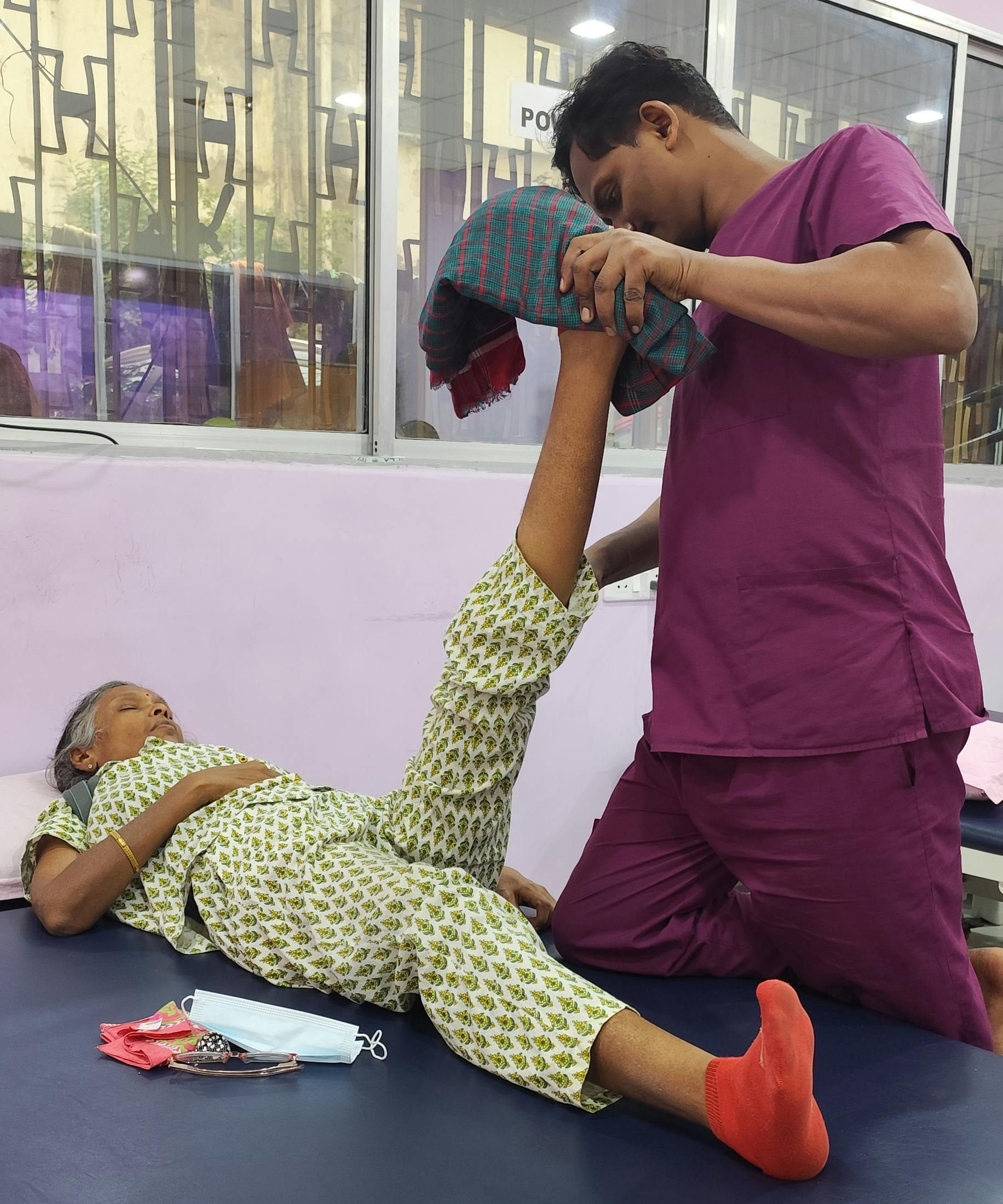
Physiotherapy is about getting movement back (motor recovery). It's also about moving around more safely, with less help.

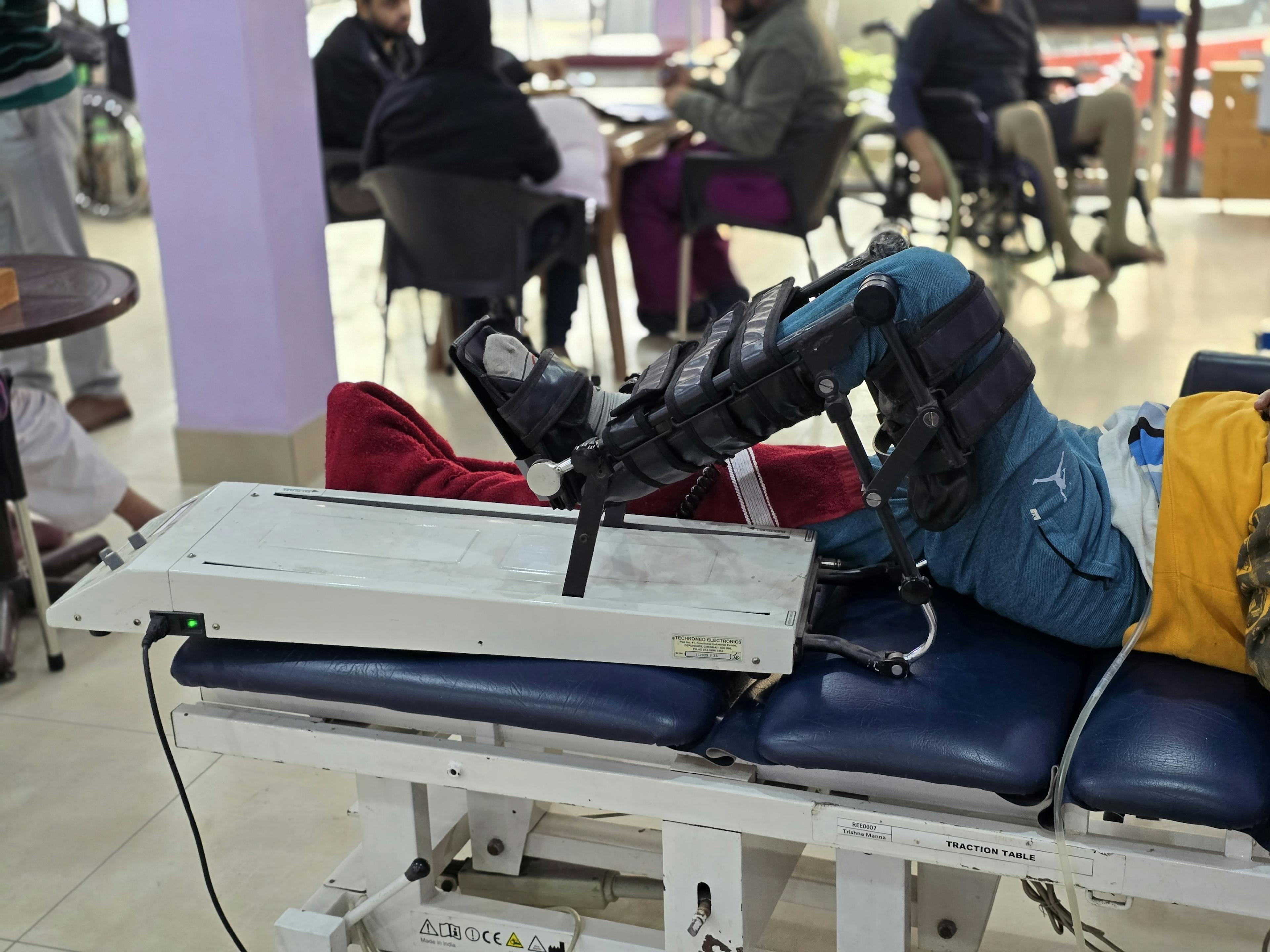
The assessment decides what the physio does. Usually that means exercises for strength, balance, coordination and posture, and work to stop joints getting stiff and fixed (contractures). There's practice with walking, and with moving from bed to chair and the like (transfers). We plan each session around the person's abilities, focus, energy and safety. Every exercise links to a movement they'll really need in daily life.

Traumatic Brain Injury rehabilitation at Rehabana, Kolkata

Occupational therapy after TBI

Occupational therapy (OT) covers the skills of ordinary living. Self-care, housework, work, study, whatever matters in the person's day. We rebuild what we can and find other ways for the rest.

Take getting dressed. It needs good hand use, some planning, and making sense of what the eyes see (when that goes wrong, it's called a visual-perceptual difficulty). OT works on dressing, eating, grooming and bathing, and on using equipment safely. Sometimes the answer is a change at home, or doing the task differently. The goal is a life that's as safe and independent as possible.

Traumatic Brain Injury rehabilitation at Rehabana, Kolkata

Cognitive rehabilitation after TBI

Cognitive rehabilitation helps with thinking problems. These problems make it harder to learn and make decisions, and harder to manage everyday life without help.

Here's the thing. Ordinary brain-training games aren't enough on their own. Therapy has to match the person's own problems and goals. After assessment, that might mean attention and memory, planning and problem-solving, how fast they take in information, or anxiety and depression. The tools are simple, like regular practice, routines, reminders and changes to the space around them.

Our psychologist at Rehabana uses puzzle games, colourful cards and similar things to help the person recall memories and solve problems.

Traumatic Brain Injury rehabilitation at Rehabana, Kolkata

Speech, communication and swallowing after TBI

After TBI, someone may understand you but still not find the words to answer. Understanding language, speaking clearly and swallowing safely can all be hit.

Speech and language therapy works on communication, clear speech and language, and the thinking skills behind them. It also deals with swallowing. If your family member has trouble swallowing, don't guess. They need a proper check so that care is safe and right for them. After that, treatment depends on the kind of problem and their overall medical condition.

Traumatic Brain Injury rehabilitation at Rehabana

Gait and mobility rehabilitation

Gait and mobility rehab is about walking (gait) and getting from one place to another safely. It also covers everyday movements, done with just the right amount of help.

Will your family member walk again? It depends. At Rehabana, each person gets their own walking and mobility plan. Walking aids and braces or splints (orthoses), made to fit, support the body while they walk. We also use a Neuro Walker and an unweighting harness, which takes some body weight off the legs at first. Slowly we build up to full body weight. Treadmill walking in the harness helps walking speed, prevents falls and builds confidence. Over time, walking gets better and more independent.

Traumatic Brain Injury rehabilitation at Rehabana

Behavioural and emotional changes after TBI

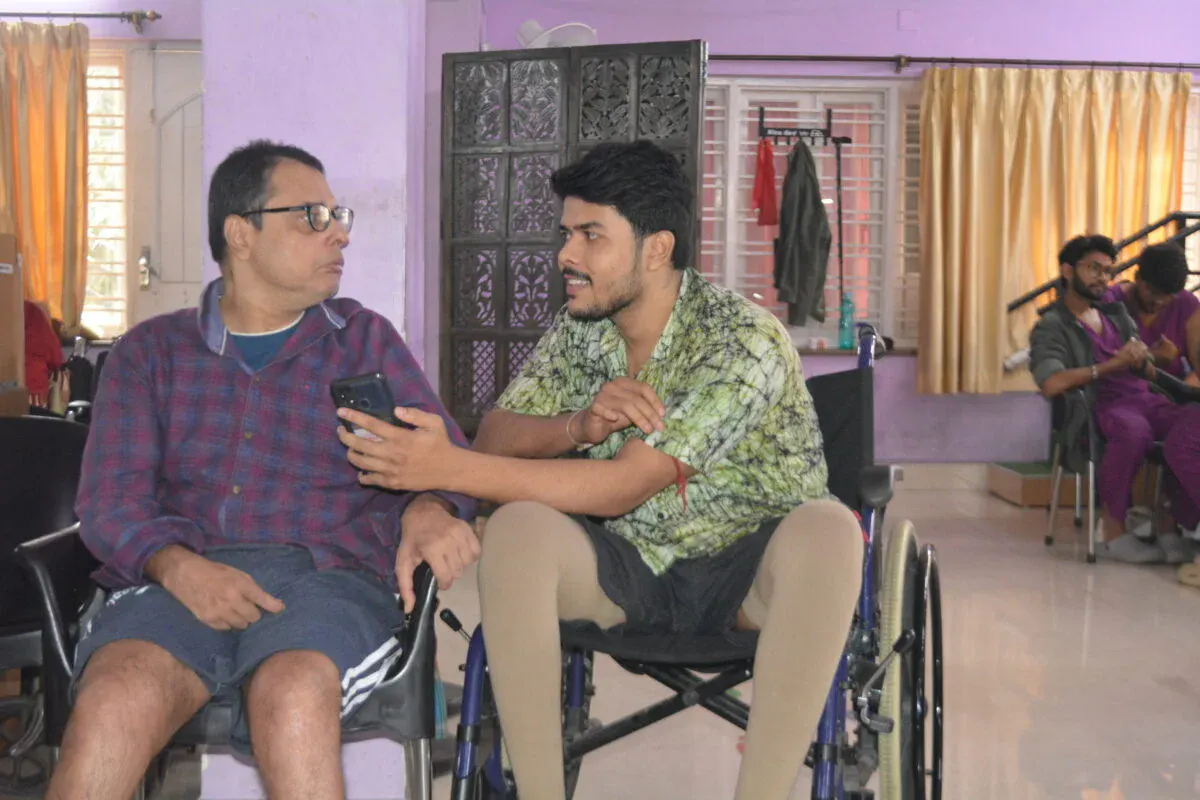
For many families, this is the hardest part. After a brain injury, changes in mood, drive, self-control or how the person behaves with others can strain relationships. And they make everyday life harder.

Your family member may be easily annoyed, frustrated, anxious or low, or unable to hold back their reactions. Meet this with understanding. Don't assume it's on purpose. An assessment can find what's behind it and point to the right coping strategies, professional help and training for caregivers.

Fatigue, sleep and headache after TBI

Fatigue, sleep and headache after TBI

Tiredness (fatigue), poor sleep and headaches wear down concentration and physical activity. They also limit how much the person can put into rehab.

We look at how these symptoms affect the daily routine and how much therapy the person can manage. Help might mean spacing out activities, changing the timetable, better sleep habits or a medical review. One warning. If symptoms don't go away, are severe or are getting worse, don't just blame the brain injury. Get them checked properly.

paralysis rehabilitation

Spasticity and pain management

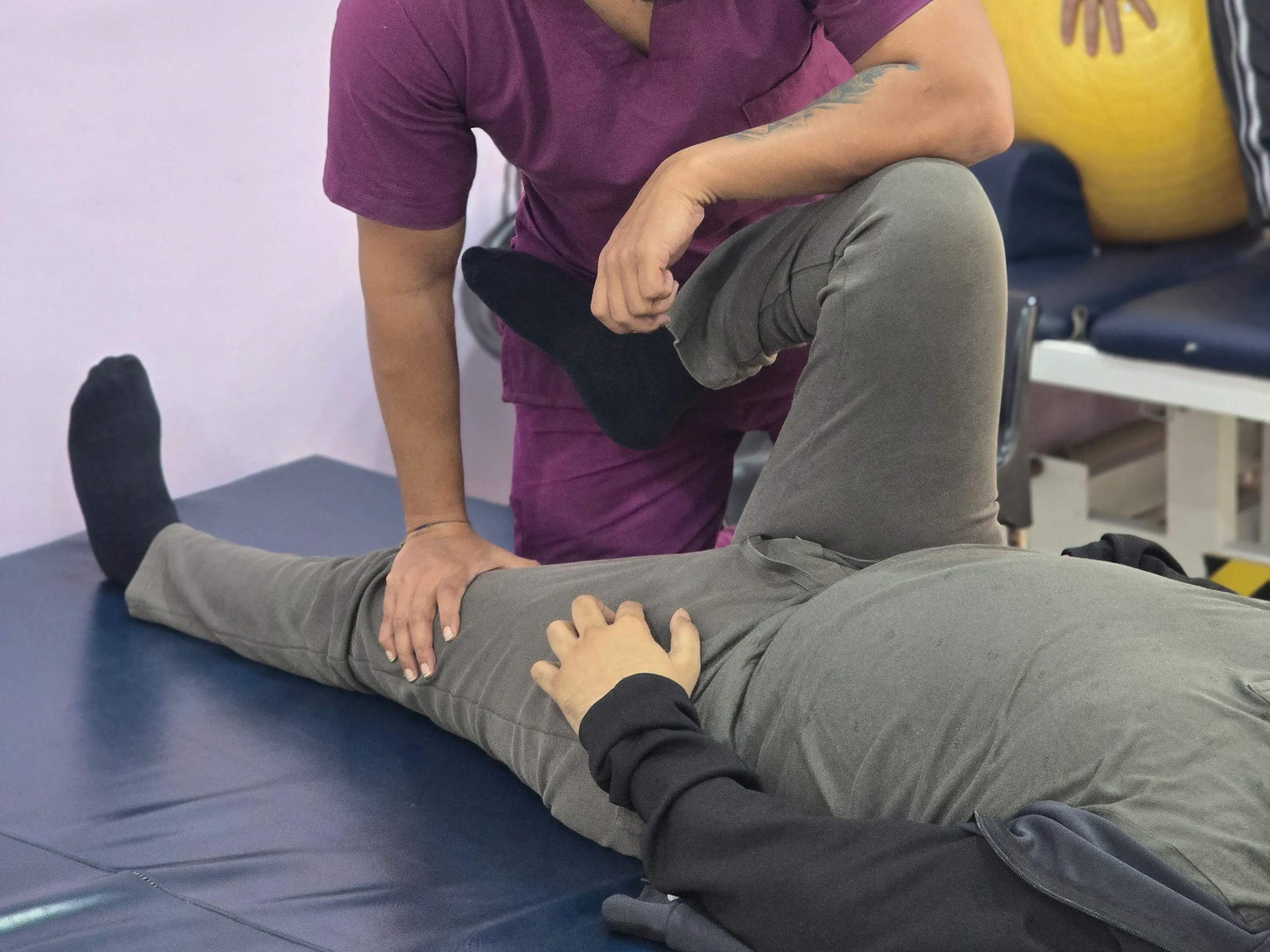
After a traumatic brain injury, muscles can get tight and stiff (spasticity). They may also move in ways the person can't control, or simply hurt.

A stiff arm that won't straighten can make washing under it a daily struggle. Stiffness and pain also get in the way of comfort, positioning, walking and other daily activities. Assessment shows the likely cause and what it stops the person doing. Then treatment might mean positioning with a brace or splint (an orthosis), stretching and exercises, plus medicines or other treatments when medically needed. Whatever we choose must suit the person, and we keep reviewing it.

Traumatic Brain Injury rehabilitation at Rehabana

Robotic rehabilitation after TBI

Robotic rehabilitation means using technology-based machines for some rehab activities, but only when it's medically suitable.

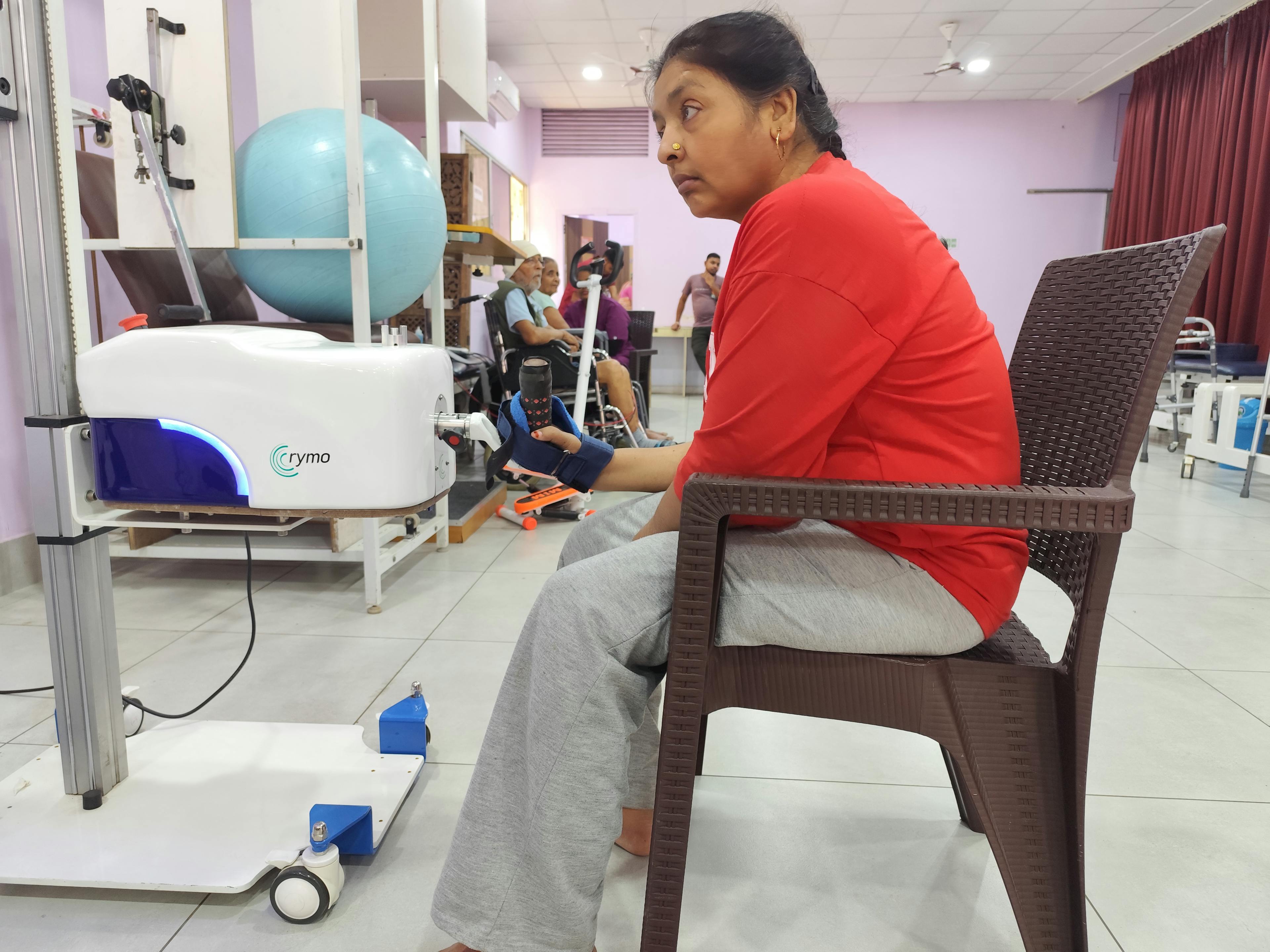
At Rehabana, robotic rehab is built around games, so people with TBI really get involved. Some games work on memory and attention problems. Balance games, played while still and while moving (static and dynamic balance), train balance and keep patients interested and taking part.

The big plus is repetition. Depending on the person's needs and the equipment we have, robotic systems help them practise certain movements for real tasks again and again. But it isn't right or needed for every patient. It doesn't replace a clinical assessment, a therapist's guidance or practice of real daily tasks. We only use it when the person's goals, abilities and safety needs call for it.

How rehabilitation progress is measured

How rehabilitation progress is measured

Is it working? Checking again regularly (reassessment) answers that. It shows the team whether the programme is improving the skills that really matter to the patient.

We measure getting around, balance, self-care, communication and other skills again, and compare them with the baseline. Which goals have been met? What's holding things back? Once a goal is reached, the next one starts. If progress is slow, and sometimes it is, we rethink the treatment, whatever is in the way, or the level of support.

TBI rehabilitation and long-term recovery

TBI rehabilitation and long-term recovery

Families often ask us how long recovery will take. The true answer is that no single timeline or outcome fits everyone after traumatic brain injury.

A lot depends on the type of injury, related medical problems, the person's abilities and needs, and the support around them. Some get many of their old abilities back. When they don't, long-term strategies, help from others or changes to the surroundings fill the gap. At Rehabana, the goal stays the same. Better function, more taking part in life, and as much independence as each person can reach.

Community reintegration after TBI

Community reintegration after TBI

Community reintegration is about life outside the treatment centre. It means using the skills learnt in rehab out in the real world.

That depends on the person's goals. For one, it's practising activities outside the home and building a social life again. For another, it's maybe going back to study or work, or learning to handle everyday things safely, like crossing a busy road. Planning has to think about getting around, thinking, behaviour, tiredness, communication and barriers around them. Family and community support can make the change easier.

Rehabana takes its indoor patients out for walks on the road. This gives them practice getting around the community and the confidence to walk there. It also makes them more independent in real life.

Caregiver support after traumatic brain injury

Caregiver support after traumatic brain injury

A lot of the daily work falls on the family. Caregivers often help with daily activities, safety and routines. They also help with the move from rehab back home.

So we teach. We show caregivers how to help safely with daily tasks and transfers. We also cover talking with the person, planning activities, spotting warning signs and avoiding problems that can be prevented. Families need to know what to expect, too, and when to get professional help. And the plan must think about you, the caregiver, how much you can manage and your wellbeing, as well as the patient's medical needs.

Frequently asked questions

What is traumatic brain injury rehabilitation?

It's a planned programme to get back, or work around, the body, thinking, talking and everyday skills a brain injury has affected. Often several rehabilitation professionals are involved, all working on goals set for that one person, and progress is checked regularly.

When should rehabilitation begin after TBI?

How long does TBI rehabilitation take?

How can families support recovery after TBI?

Can a person recover completely from traumatic brain injury?

Which therapies may be needed after TBI?

Is robotic rehabilitation necessary for every person with TBI?

Start with an assessment

Book a traumatic brain injury assessment

Every traumatic brain injury is different. We always begin by finding out what the person can do now and what they find hard. Then we ask what they'd like to achieve.

If you or someone in your family needs support after a traumatic brain injury, get in touch with Rehabana. We'll talk you through our neurorehabilitation services and whether an assessment with our clinical team might be the right next step.