Neuro Rehabilitation in Kolkata After Hospital Discharge
Returning to West Bengal after hospital treatment? Continue structured, multidisciplinary Neuro Rehabilitation closer to home with Rehabana.
Read MoreA traumatic brain injury (TBI) can turn life upside down in a single moment for the patient with traumatic brain injury and the whole family. Knowing the types of traumatic brain injury, injury severity, and what brain injury rehabilitation really involves can make the next steps feel less scary and more possible.
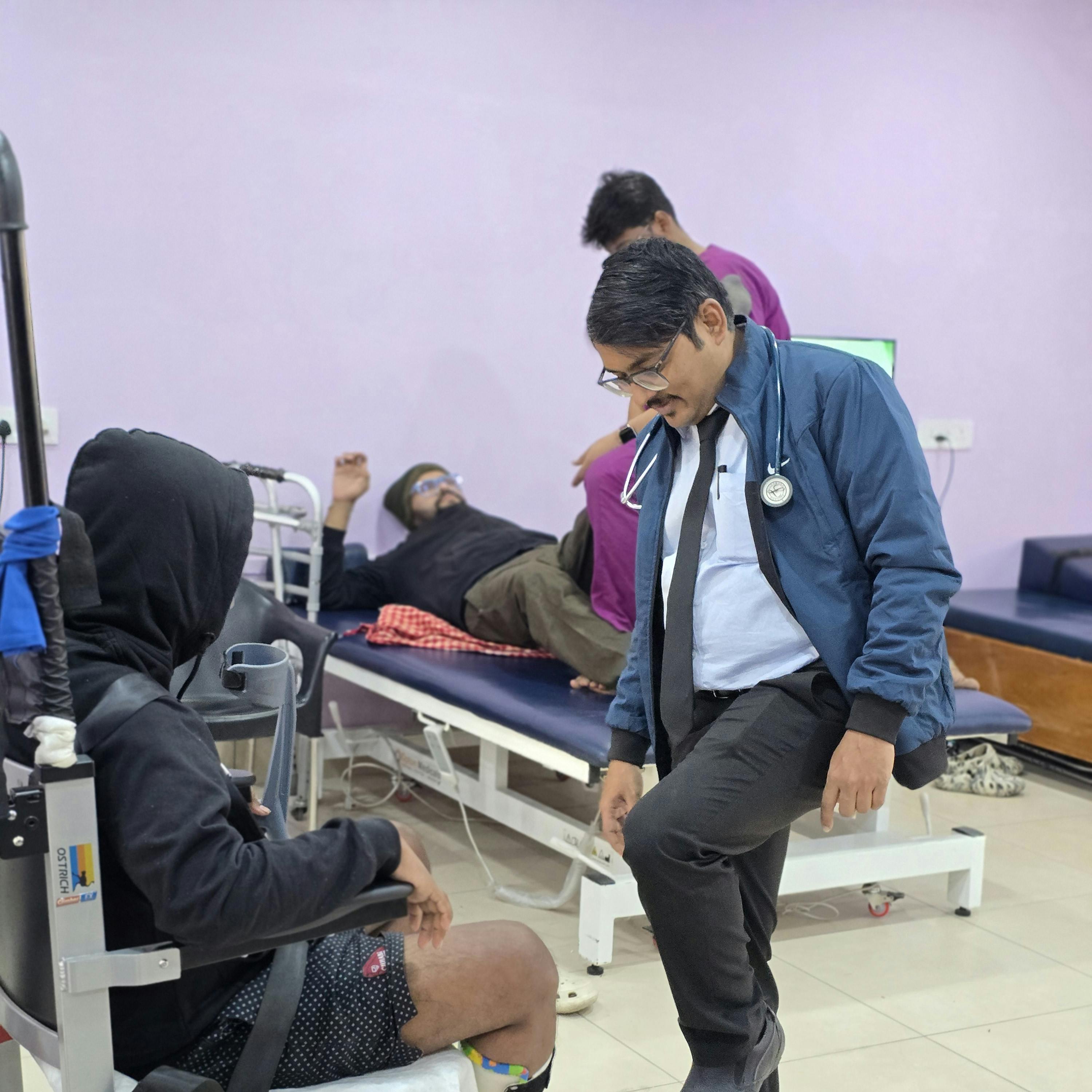
If you’re here because someone you love has had brain injuries especially traumatic brain injuries (TBI) we just want to say this first: we understand how heavy this feels.
Families often come to us and say, “They survived… but they’re not the same,” or “We don’t know what to do at home,” or even, “Is this the best they will ever be?”
Those questions are real. And they come from love.
A head injury (one of the common types of traumatic brain injury) isn’t like a fracture where you put a cast and count weeks. The brain heals differently. Sometimes it heals quietly. Sometimes recovery looks slow from the outside but the injured brain is working hard inside. And sometimes, yes, things change but that does not mean the story ends there.
Recovery is possible. Not always in a straight line. Not always at the speed we want. But possible.
Let’s talk about the different types of traumatic brain injury, the classification of traumatic brain injury (mild, moderate, or severe), and then we’ll talk about what actually helps recovery in real life for people with traumatic brain injury, including injury in children and adults.
A traumatic brain injury (TBI) happens when there is an injury to the brain caused by an external force – a fall, road accident, sports impact, assault, or a sudden blow to the head. In simple words, it’s damage to the brain that results from trauma.
Sometimes people lose consciousness. Sometimes they don’t. Sometimes the scan looks “normal” but the person still struggles – this can happen in mild traumatic brain injury or mild TBI, where the brain injury may not show clearly early on.
A TBI can affect brain function in many ways, depending on the part of the brain involved – the brain stem, frontal areas, memory centers, and other areas of the brain. The brain is delicate, and because it sits within the skull, the movement of the brain within the skull during trauma can cause injury.
TBIs affect children and adults – literally anyone. And the impact depends on the type of injury, the time of injury, and the severity and location of damage to brain tissue and brain cells.
There are different ways doctors explain the types of brain injury and types of brain trauma. We’ll keep this practical real, family-friendly information about traumatic brain injury.
Also, just so you know: many TBIs are closed head injury (no object enters the skull). Others are penetrating injuries (when injury occurs when an object goes into the skull). Both can lead to mild, moderate, or severe injuries.
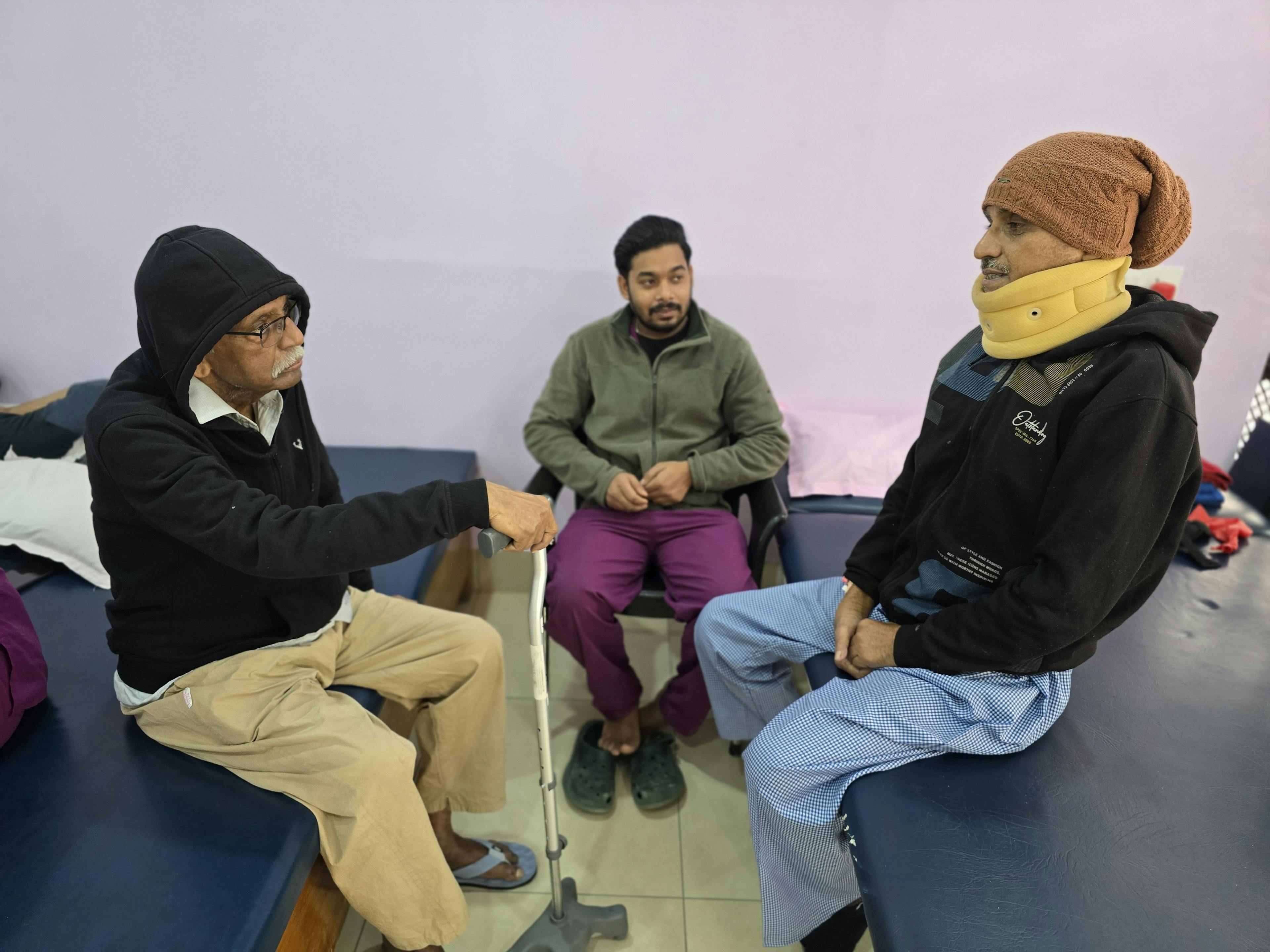
A concussion is one of the most common types of traumatic brain injury and is often called a mild traumatic brain injury (also written as mild TBI). But “mild” can be misleading. Because for the person and family living through it, it doesn’t feel mild.
A concussion happens when the brain gets shaken inside the skull usually after a fall, collision, sports hit, or any blow to the head. The brain moves within the skull, and that movement can cause damage to the brain resulting in symptoms.
Sometimes symptoms appear immediately. Sometimes they show up later. And yes, mild traumatic brain injury may still lead to persistent issues that’s why we take it seriously.
If symptoms persist beyond a few weeks, don’t ignore it. That’s where brain injury rehabilitation really helps – especially in managing persistent post-concussion symptoms and supporting long-term recovery.
A contusion is basically a bruise on the brain – bruised brain tissue. Like any bruise, it can swell. And because it’s inside the skull, swelling of the brain can cause serious pressure.
Contusions often happen after direct impact – falls, road accidents, assaults – and sometimes come with bleeding in the brain or bleeding around the brain (near the membranes surrounding the brain).
Some contusions improve with monitoring. Some need surgery if pressure rises or blood collection increases, because it can reduce blood flow to the brain and affect brain cells.
Know more: How Occupational Therapy Supports Recovery After Brain Injury
A diffuse axonal injury is an important type, often seen in high-speed accidents where sudden stopping causes deceleration of the brain and stretching of nerve fibers. In simple language: the brain moves sharply inside the skull and nerve connections get injured. This is one of the diffuse injuries and can cause widespread damage to the brain.
Families may hear terms like “shearing,” “tearing,” or even tearing of brain tissue (which may be part of more severe trauma). DAI can range from moderate to severe brain injury.
Recovery can be slow. But slow progress doesn’t mean no progress – especially when structured rehab begins early.
A penetrating injury occurs when injury occurs when an object breaks the skull and enters the brain in other words, an object into the brain. This can cause severe damage because the injury may directly harm specific brain tissue and may affect nearby membranes surrounding the brain as well.
In this type, the brain is injured at the point of impact (coup) and also on the opposite side of the brain (contrecoup), because of rebound movement of the brain within the skull.
So the injury can involve more than one area – different parts and areas of the brain – even from one impact.
Must read: Best Neuro Rehabilitation Center: Stroke Recovery in Kolkata
Sometimes families also hear about:
This is why it’s important to understand both the immediate injury and the long-term support plan.
Recommended: Core Components of Rehabilitation -What Most People Get Wrong
This part is important, but we’ll keep it simple.
In many cases, the long-term effects are shaped by both. That’s why early medical care and careful rehab matter so much.
This is where we slow down and speak honestly.
TBI recovery is rarely “fast.” Depending on the injury severity and the severity of traumatic brain injury (mild, moderate, or severe), recovery often looks like:
It can be frustrating. For families and for the patient.
Also, brain injury often affects more than movement. People can look “okay” but struggle with:
These are real effects of brain injury and can lead to ongoing traumatic brain injury deficits if rehab isn’t structured well.
Read more: Role of Rehabilitation Center: Why It Speeds Up Healing More Than You Think
At Rehabana, we don’t treat TBI as only a “brain problem.” We treat it as a life problem – because it affects how someone moves, thinks, eats, talks, behaves, and lives.
Physiotherapy helps with:
Occupational Therapy helps with:
Speech and Language Therapy helps with:
Helps with:
This whole approach is brain injury rehabilitation – and it’s often the key difference between “getting discharged” and truly living well again.
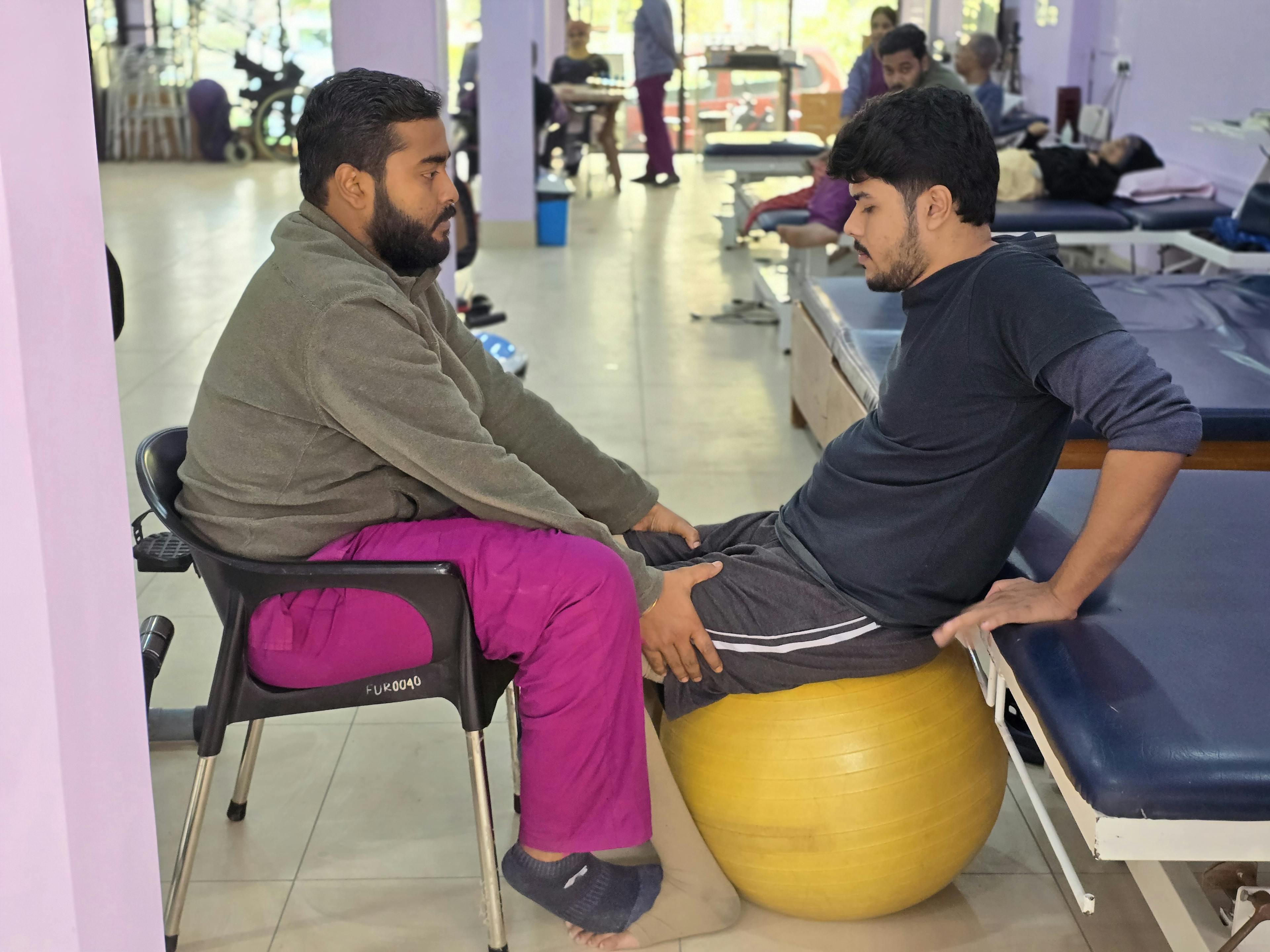
Here are tips we repeat to families – because they work.
Same wake time. Same meals. Same therapy time. Routine supports brain healing.
Noise, crowd, screens, too many visitors – all can worsen fatigue and confusion.
Let them try. Trying is part of recovery.
Mood swings after TBI are symptoms. Not “attitude.”
Standing longer, speaking clearer, eating safely – these are big wins for people with brain injury.
Caregivers need rest too. You matter in this recovery story.
This depends on the classification of traumatic brain injury and whether it’s:
In general, moderate and severe traumatic brain injuries take longer and often need structured rehab for months. Some patients with severe traumatic brain injury may require longer-term support.
But please remember: progress can continue for a long time. Even for people with severe traumatic brain injury, improvement can happen with the right routine and rehabilitation.
Please don’t wait too long if you notice:
Early assessment of traumatic brain injury and early rehab planning can reduce complications and improve outcomes.
Not every brain condition is “traumatic.” Some families deal with acquired brain injuries or acquired brain conditions that aren’t from trauma (like stroke, infections, tumors). Those are sometimes called non-traumatic brain injuries.
But the rehab principles overlap: restore function, support cognition, and protect quality of life.
At Rehabana, our rehabilitation approach is doctor-led and team-based. We work with:
We create practical goals. We review them regularly. And we include families – because people with traumatic brain injury recover better when families understand the plan and feel supported.
A traumatic brain injury changes things. That’s true.
But it doesn’t erase the future.
Whether it’s a concussion, diffuse axonal injury, or a moderate to severe TBI, healing is possible. It takes time, routine, and the right rehabilitation. Some days will feel slow. Some days will surprise you.
And you don’t have to do it alone. We’re here.
If you or a loved one is recovering from traumatic brain injuries (TBI) and you want a clear rehab plan and compassionate support, we’re here.
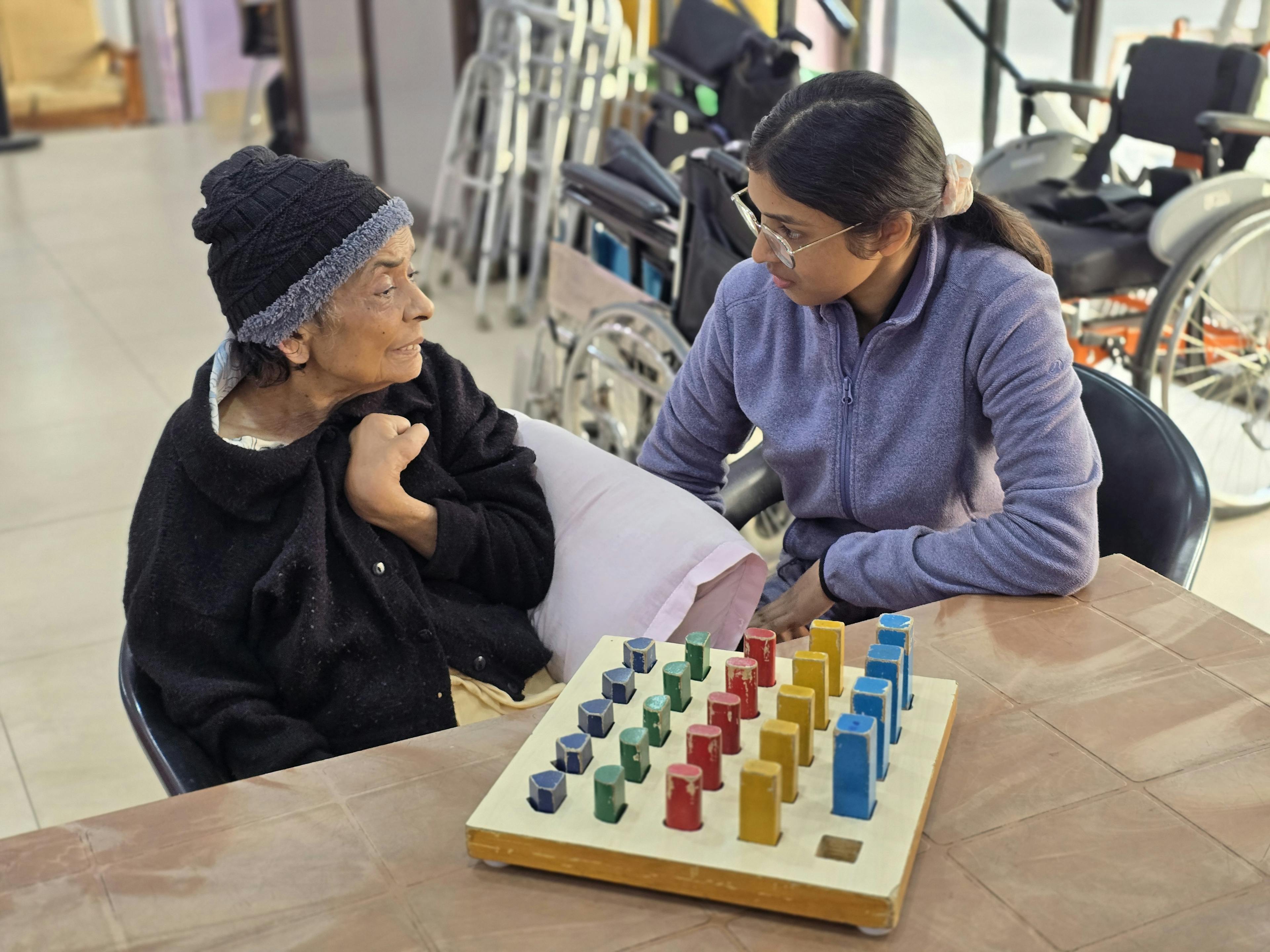
Every traumatic brain injury is different. At Rehabana, our doctors and rehab team design personalized programs to support movement, thinking, and daily independence step by step.
Knowledge That Guides Recovery
Get expert neuro rehabilitation tips from the doctors at Rehabana, Kolkata — simple guidance on stroke recovery, spinal cord injury rehab, Parkinson’s care, and enhancing quality of life after neurological conditions.
Returning to West Bengal after hospital treatment? Continue structured, multidisciplinary Neuro Rehabilitation closer to home with Rehabana.
Read More
Join the Neuro Rehabilitation Support Network, a community initiative convened by Rehabana. Connect with survivors, caregivers and professionals to learn, share and rebuild life together.
Read More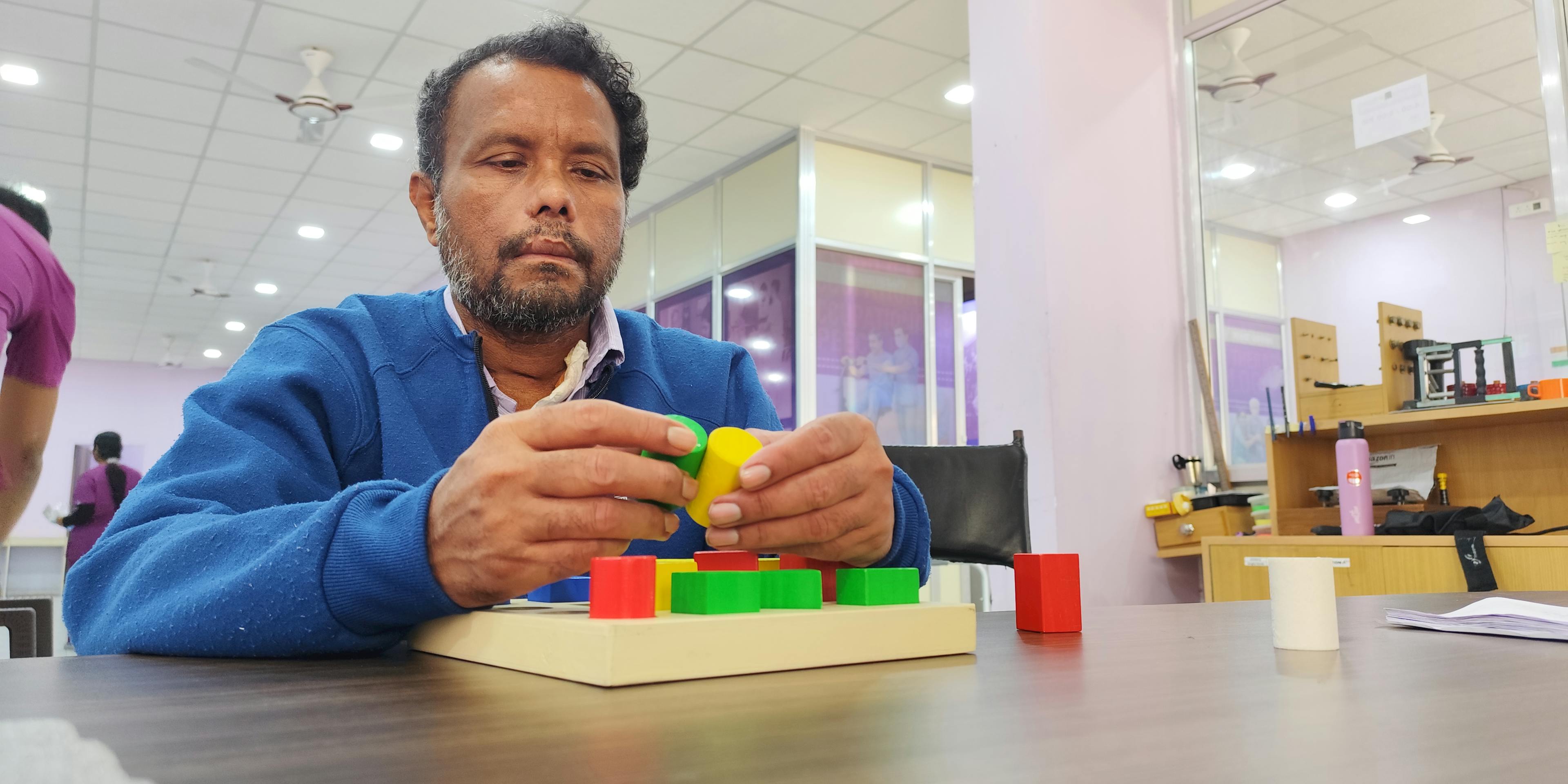
Complete Parkinson's home care guide for families, rehabilitation, safety and daily living.
Read More