

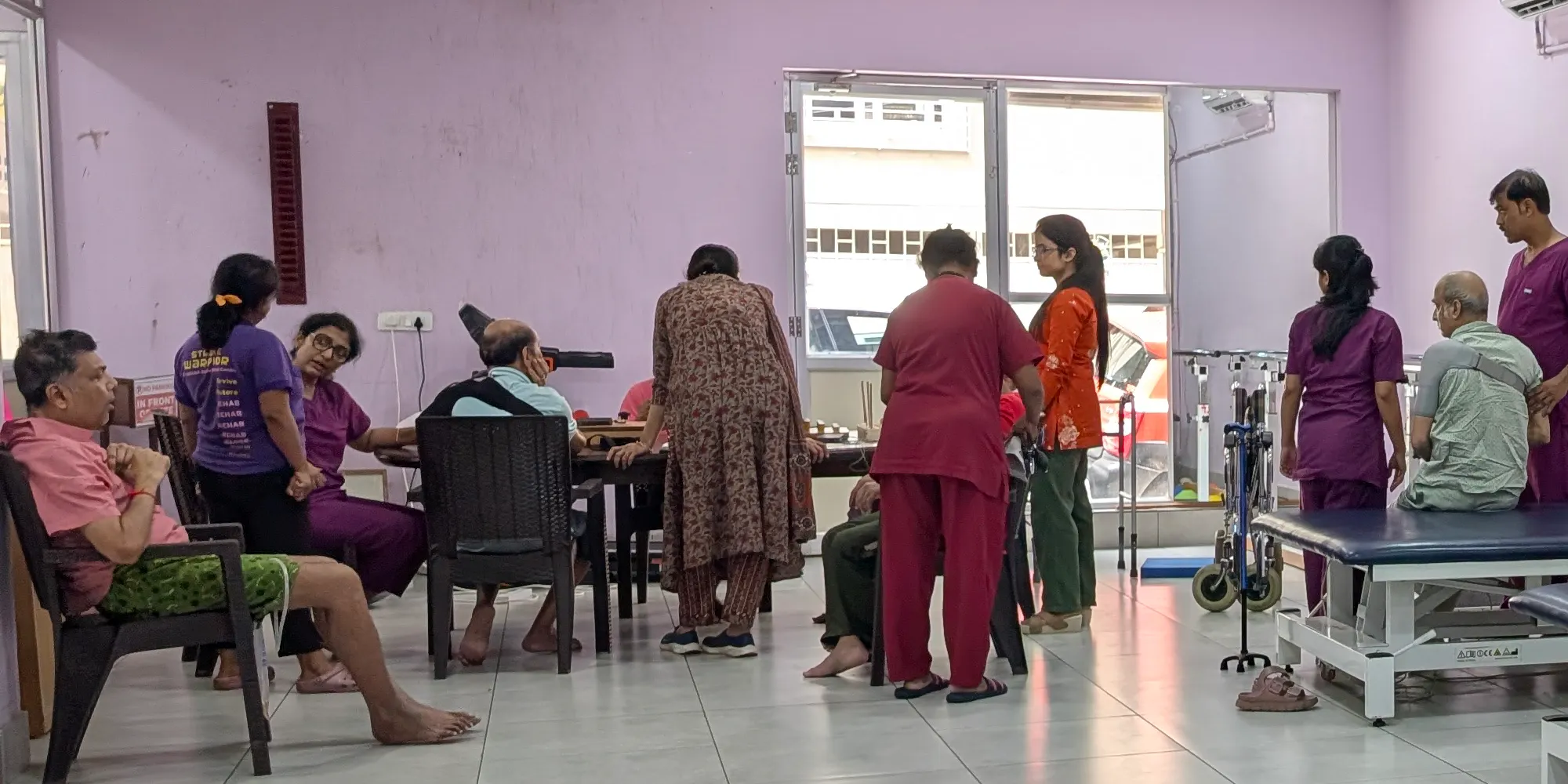
Neuro Rehabilitation in Kolkata After Hospital Discharge
Returning to West Bengal after hospital treatment? Continue structured, multidisciplinary Neuro Rehabilitation closer to home with Rehabana.
Read MoreAsk anyone who has done the same arm exercise a hundred times. It gets boring, fast. Digital rehab puts that practice on a screen, with a target to hit and a score to beat. People end up moving more, often without noticing. And it always sits beside hands-on therapy, never instead of it.
Doctor-supervised VR and screen-based therapy
Arm, leg and balance practice with scores
Progress reviewed every two weeks
Home programme with family training
Rehab with a screen in it
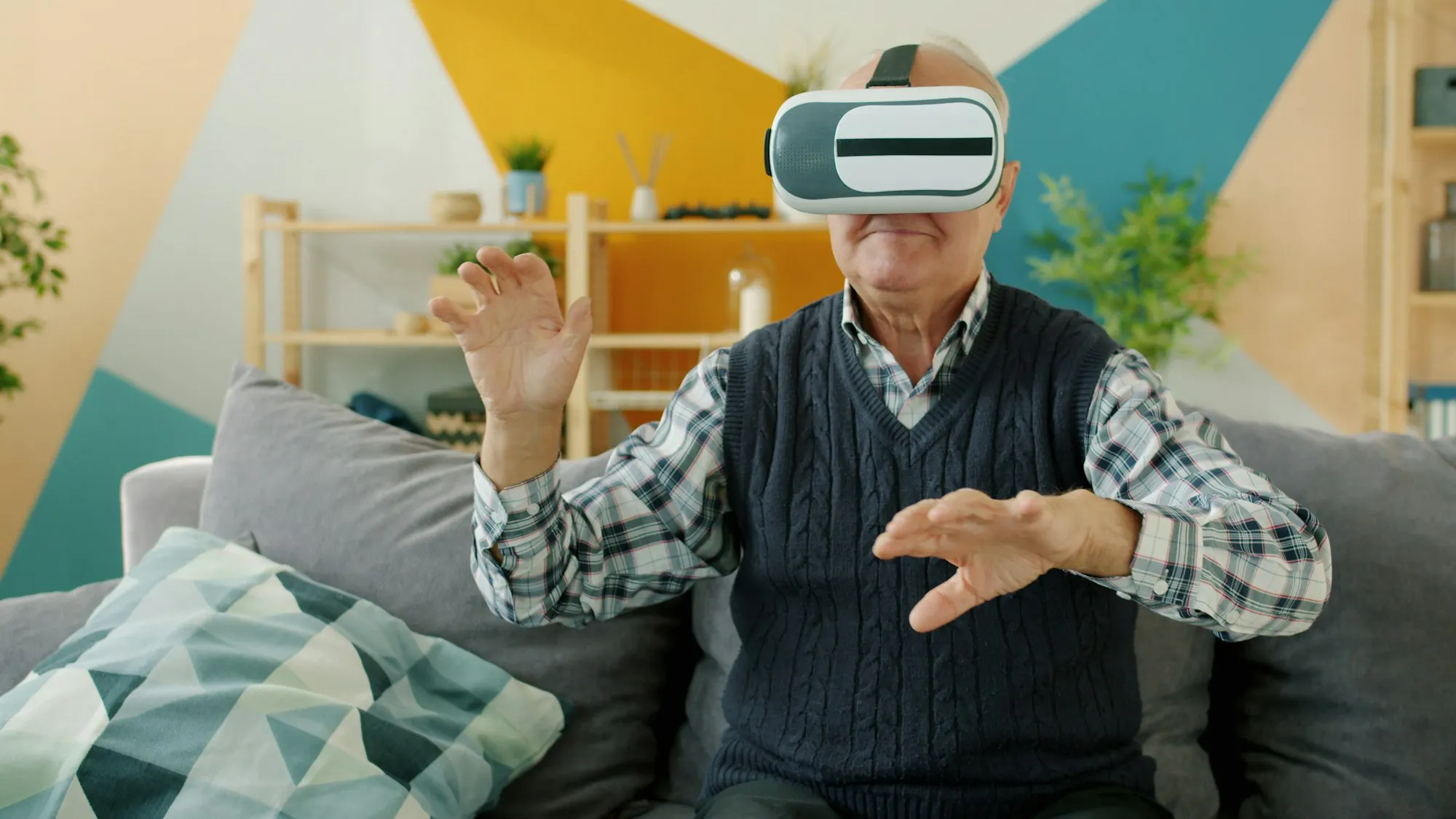
Digital rehab, VR therapy, virtual reality rehabilitation. Families often ask if these are different things. Mostly they aren't. It means using technology to guide therapy exercises and keep track of them. Virtual reality, or VR, is the part people have heard of. A computer builds a scene, on a big screen or inside a headset, and your own movements control what happens in it. Then there are interactive devices. Handles and sensors pick up how you move an arm, a leg or the trunk, which is the middle of the body from the shoulders to the hips, and show it back as a small task on screen. And telerehabilitation is when part of the rehab guidance reaches you at home, with the team checking in from the centre.
Practice the brain can see
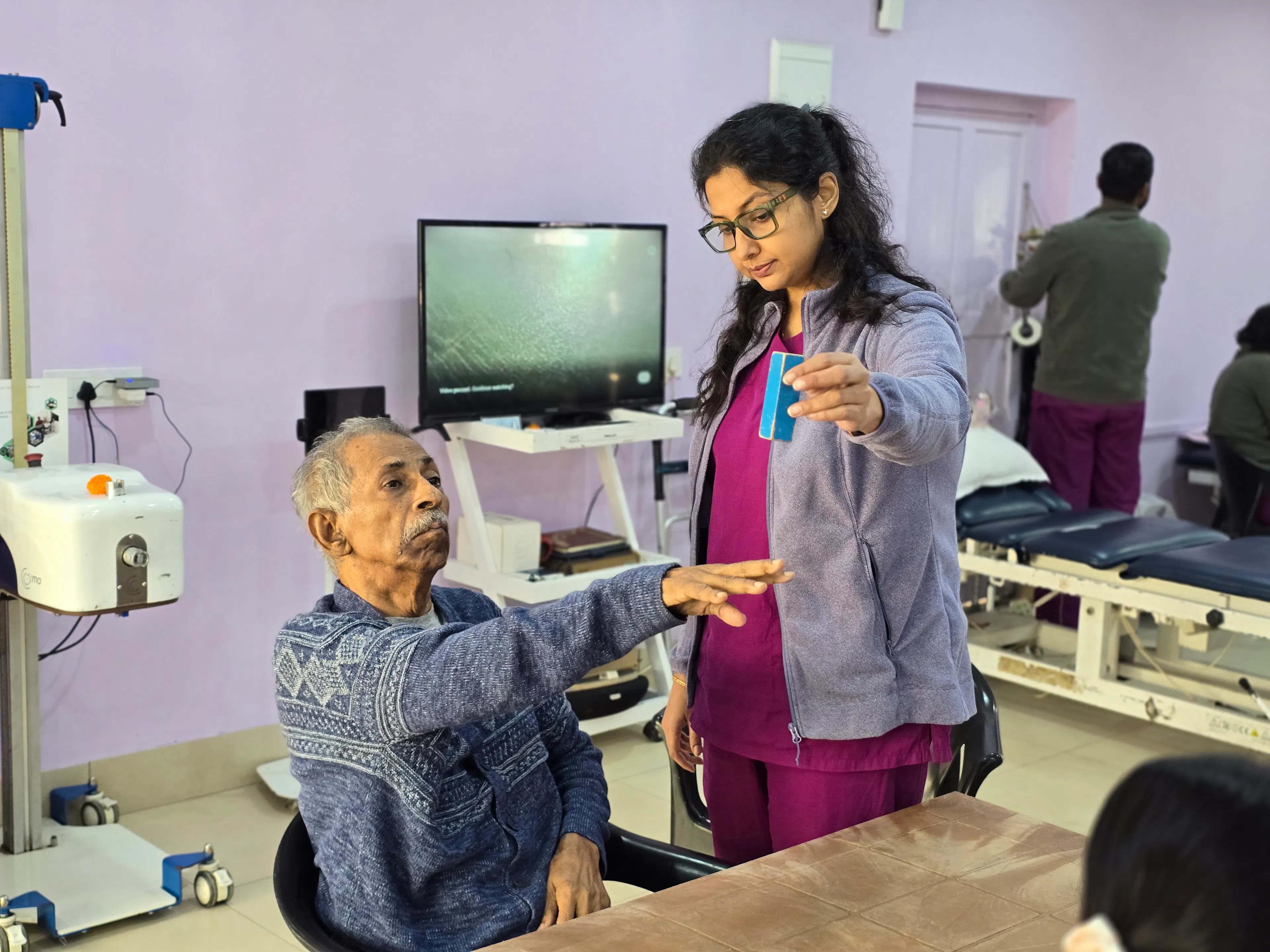
After a stroke or brain injury, the brain can slowly build new routes around the damaged part. Doctors call this neuroplasticity, meaning the brain rewiring itself through practice. Lots of practice. Say your mother's right arm has come back a little, but she still does everything with her left because it's quicker. Fair enough. A reaching game that only scores with the right arm gives her a reason to use it again and again. She sees the result at once, so her brain can correct the next try. Some people call this exergaming, a mix of exercise and gaming. At Rehabana we use digital and VR devices for the arm and hand, the legs, trunk balance, reflex movements and play activities. If the arm barely moves yet, robotic rehabilitation, where a machine guides the limb, may come first.
When to ask about it
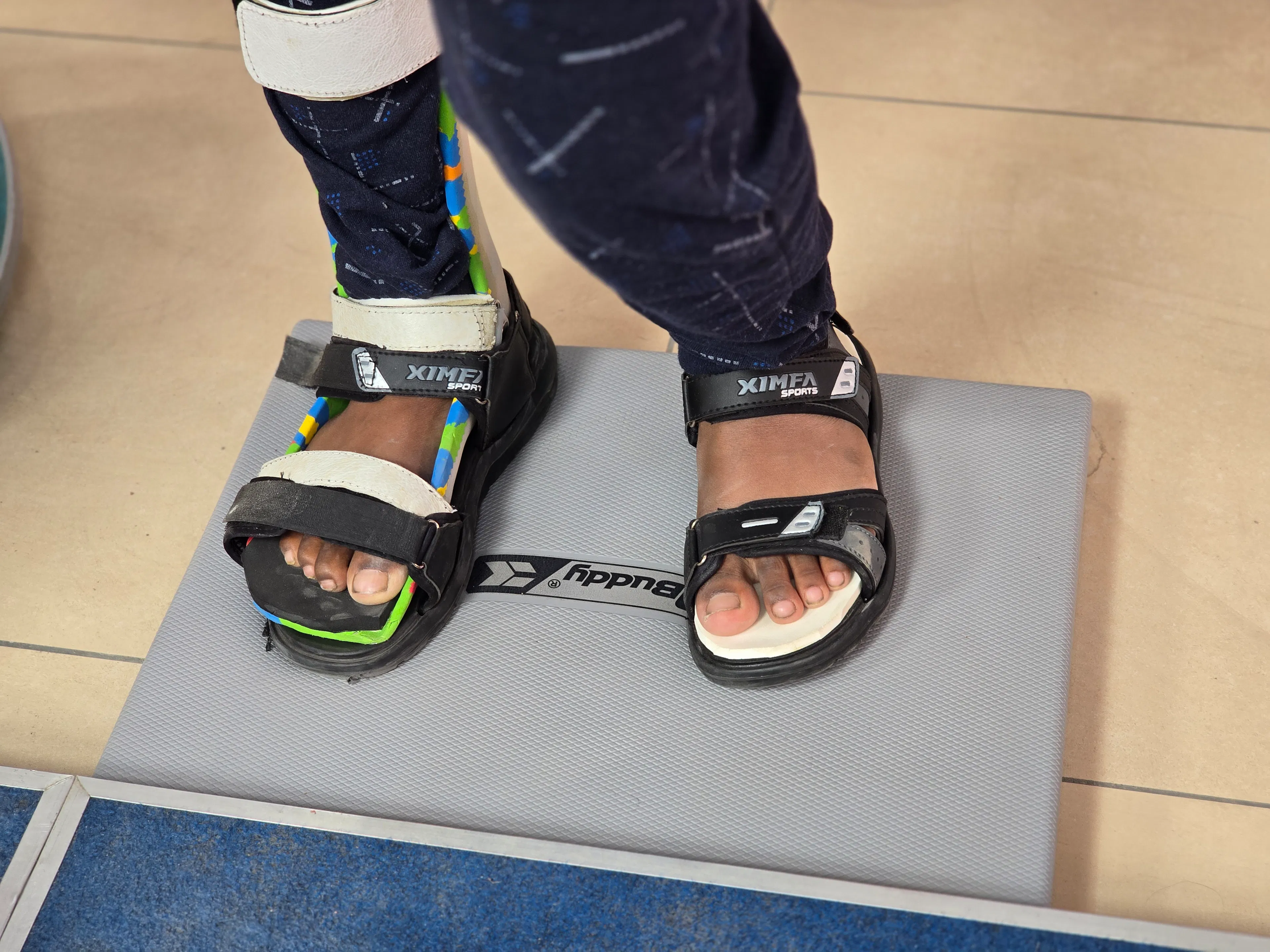
It's worth a conversation if you've noticed any of this at home:
Conditions we work with
Each condition brings its own problems, so the games and the goals change from person to person. Below is the short version, with links to the longer guides.
One side often goes weak, and a weak arm needs a huge amount of practice to come back. Reaching games give it that practice and keep score. See our stroke guide, and the page on arm and hand function after stroke.
A head injury can upset balance, attention and memory. Screen tasks can train focus and reaction time as well as steadiness. See our brain injury guide, and cognitive rehabilitation after brain injury, which means retraining thinking skills.
If there's some movement below the injury, or good use of the arms, games can train sitting balance, reaching and grip. Read our spinal cord injury guide and the page on arm and hand function after spinal cord injury.
Oddly, a line on the floor or a steady beat can make short steps longer. Screen and sound cues help turning and balance the same way. More in our Parkinson's guide and walking and balance in Parkinson's.
MS brings weakness and a heavy tiredness that comes in waves. So we plan sessions around energy, with rests built in. See our multiple sclerosis guide, and cognitive changes in MS if memory or concentration has slipped.

MD rehabilitation doctors supervise our digital rehab. You can meet them first on our experts page.

Trained therapists supervise every session and step in when a movement starts going wrong.

Screen work sits beside physio, OT, speech therapy and hands-on manual therapy in a single plan.

We compare device scores and tests every fortnight, so you can see what is changing.

We show family members how to help at home, so practice carries on between visits.

We'll tell you what the research shows, and when VR simply isn't the right fit.
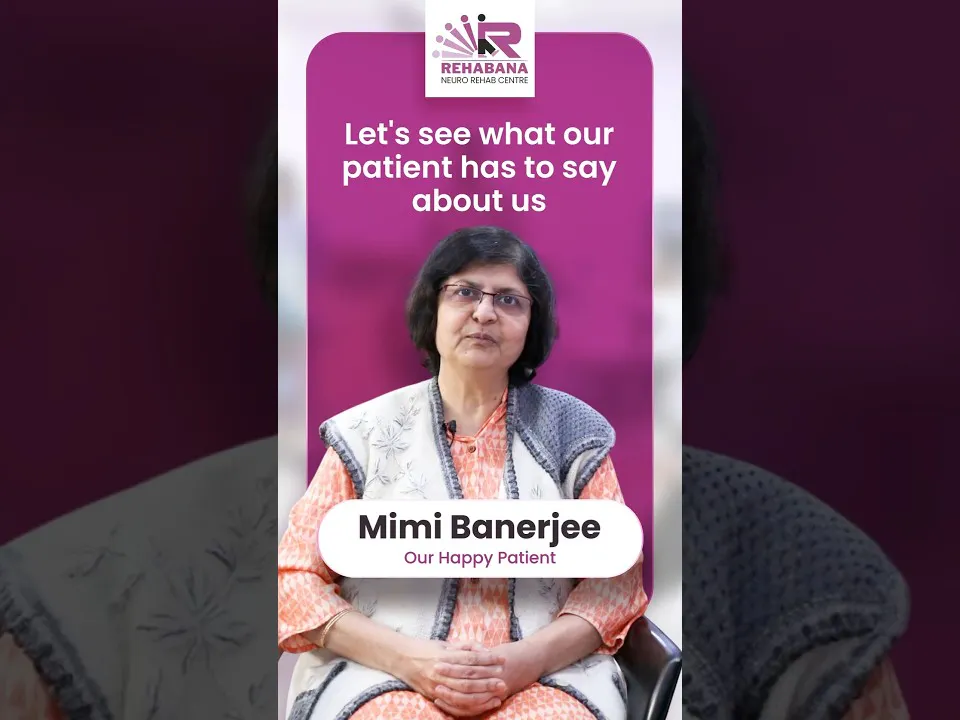
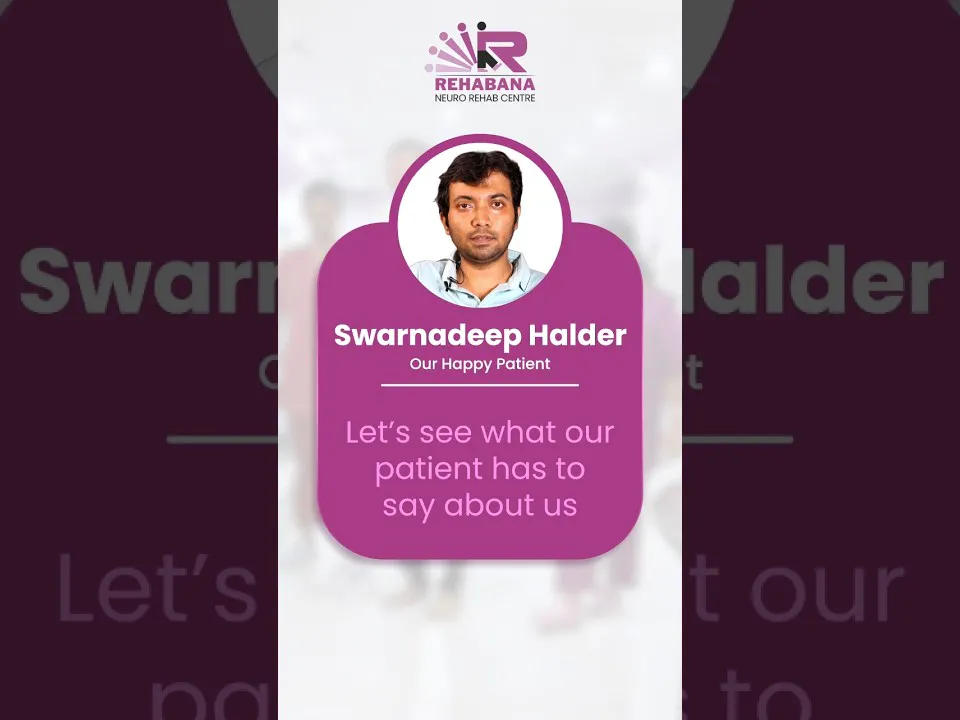
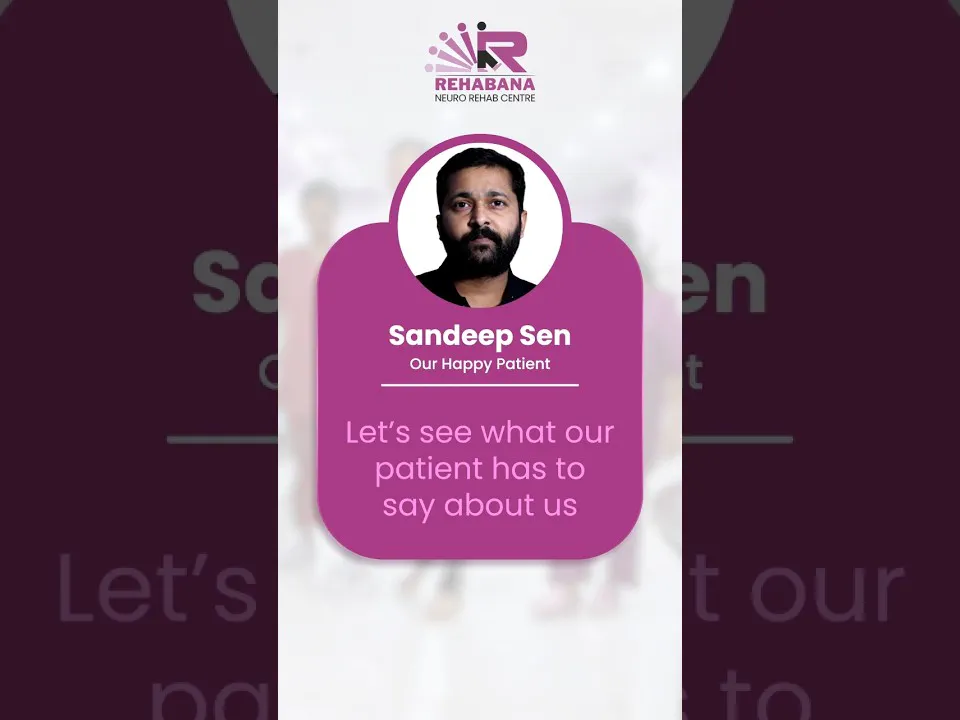
Patient Stories
Hear directly from patients and families who have experienced meaningful recovery at Rehabana. Their stories reflect our commitment to personalized care, consistent progress, and compassionate support throughout the rehabilitation journey.
Your Recovery Starts With the Right Care

Our treatments follow evidence-based protocols delivered by certified rehabilitation professionals.

Specialized care for stroke, paralysis, spinal injuries, and chronic pain recovery.

Continuous care and emergency assistance whenever you need us.
What to expect
Same loop every time. Check, agree goals, practise, check again.

A rehab doctor and therapists look at movement, balance, eyesight and thinking. Nobody switches on a device before this.
"Get better" isn't a goal. "Lift a cup of tea with the right hand" is. We agree on these together.


Games and devices for the practice, plus hands-on work for stiff joints and tight muscles. A therapist watches throughout.
Device scores and standard tests get repeated. If something has stalled, the plan changes.


Inside a session
It starts with a warm-up. Then the screen comes on.

Watching the right movement
A game only knows whether the target got hit. It has no idea how. So a person with a weak shoulder will often hitch it up towards the ear and still score full points. Therapists call these cheat movements, and the brain picks them up happily if nobody stops it. That's why every session at Rehabana has a trained therapist watching posture and the quality of each movement. When a cheat creeps in, they correct it and change the settings so only the proper movement counts. Some jobs are beyond a screen altogether. It can't loosen a stiff shoulder or feel how tight a muscle is. That still needs hands, which is why digital work runs alongside physiotherapy, occupational therapy and speech therapy.
Measuring progress properly
Every device keeps a record. How far the arm reached, how many targets got hit, how long someone held their balance before wobbling. Useful, yes. But a game score on its own can fool you, so we also use standard tests. The Fugl-Meyer Assessment scores arm and leg movement after a stroke. The Berg Balance Scale is a set of balance tasks, like standing on one leg. The Barthel Index shows how much help a person needs with daily things such as bathing or dressing. We repeat these every two weeks. Sometimes the numbers move nicely. Sometimes they sit still for a while, and then we change the games or the goals. You can read about each test in our assessments section.

What the research says
The truthful answer is that it helps a little, mostly because people get more practice. A 2025 Cochrane review, a careful summary of many trials, found that adding VR to usual therapy after a stroke slightly improved arm use and daily activities. When VR simply replaced the same amount of regular therapy, the difference was small or unclear. Many studies were small, too. The American Heart Association's stroke rehab guideline says VR may be considered for arm and walking practice, and a trial in India is now testing it against regular physio. So treat it as extra practice. A shortcut it isn't. How long it takes depends on the condition, how long ago it started and your goals. Your doctor will give a rough idea after the assessment.

Centre, home and family
Parts of it, yes. Someone who needs nursing care round the clock may start with a stay at a rehab centre, with digital work built into the day. Others come in for regular visits. For families who can't travel several times a week, Rehabana runs a home Digital Rehab programme, with guided therapy, regular doctor reviews, progress checks every two weeks and training for the family. At home, keep practice at a fixed time, maybe after morning tea. Sit with them but let them do the moving, even when it's slow. Praise the effort, not only the score. Use a steady chair and pick up loose rugs. Take turns between family members if you can. Our stroke caregiver guide has more ideas.

Stay safe
With a therapist close by, it's safe for most people. In studies the side effects were few and mild, like a headache or feeling dizzy. Headsets can make a few people feel sick, a bit like car sickness. Doctors call it cybersickness, and it usually settles once the headset comes off. Standing games carry a small risk of falling, so be a little careful and keep someone within arm's reach. Tell us before starting about epilepsy or any past seizure, a serious eye problem, a heart condition or dizziness that comes easily. Stop at once and get medical help for chest pain, a racing heart, a seizure or a fall with a knock to the head. Sudden weakness, slurred speech or a drooping face can mean another stroke. Call 108 or 112.
A Closer Look at Healing in Action
Step inside Rehabana and experience our doctor-led rehab environment. From advanced therapy equipment to guided sessions, every space is designed to support meaningful neurological recovery.
Take the first step
Not sure it suits your parent? Come for an assessment and ask. Bring the hospital papers and the medicine list. We'll tell you plainly whether digital rehab is likely to help, or whether something else should come first.
FAQs
It's therapy that uses technology, like VR games, sensors and guided home programmes, to give and track exercises. It works alongside physio and occupational therapy to add practice and keep people interested.
Knowledge That Guides Recovery
Get expert neuro rehabilitation tips from the doctors at Rehabana, Kolkata — simple guidance on stroke recovery, spinal cord injury rehab, Parkinson’s care, and enhancing quality of life after neurological conditions.
Returning to West Bengal after hospital treatment? Continue structured, multidisciplinary Neuro Rehabilitation closer to home with Rehabana.
Read More
Join the Neuro Rehabilitation Support Network, a community initiative convened by Rehabana. Connect with survivors, caregivers and professionals to learn, share and rebuild life together.
Read More
Complete Parkinson's home care guide for families, rehabilitation, safety and daily living.
Read MoreKnowledge That Guides Recovery
Get expert neuro rehabilitation tips from the doctors at Rehabana, Kolkata — simple guidance on stroke recovery, spinal cord injury rehab, Parkinson’s care, and enhancing quality of life after neurological conditions.
Returning to West Bengal after hospital treatment? Continue structured, multidisciplinary Neuro Rehabilitation closer to home with Rehabana.
Read MoreJoin the Neuro Rehabilitation Support Network, a community initiative convened by Rehabana. Connect with survivors, caregivers and professionals to learn, share and rebuild life together.
Read MoreComplete Parkinson's home care guide for families, rehabilitation, safety and daily living.
Read More