Neuro Rehabilitation in Kolkata After Hospital Discharge
Returning to West Bengal after hospital treatment? Continue structured, multidisciplinary Neuro Rehabilitation closer to home with Rehabana.
Read MoreFamilies often hear both terms occupational therapy and physiotherapy and feel confused about which one is “better” or more important. This guide explains the difference in simple words, how each therapy helps, when you need which one, and why, in many cases, the best results come when both work together as part of individualised rehab protocol.
After a stroke, spinal cord injury, accident or surgery, doctors often say,
“Now you will need physiotherapy”
Most families nod politely…
Then from google or any other patients they come to know about occupational therapy.
Now they become confused-
“Which is better – occupational therapy or physiotherapy?”
You are not alone. This confusion is very common.
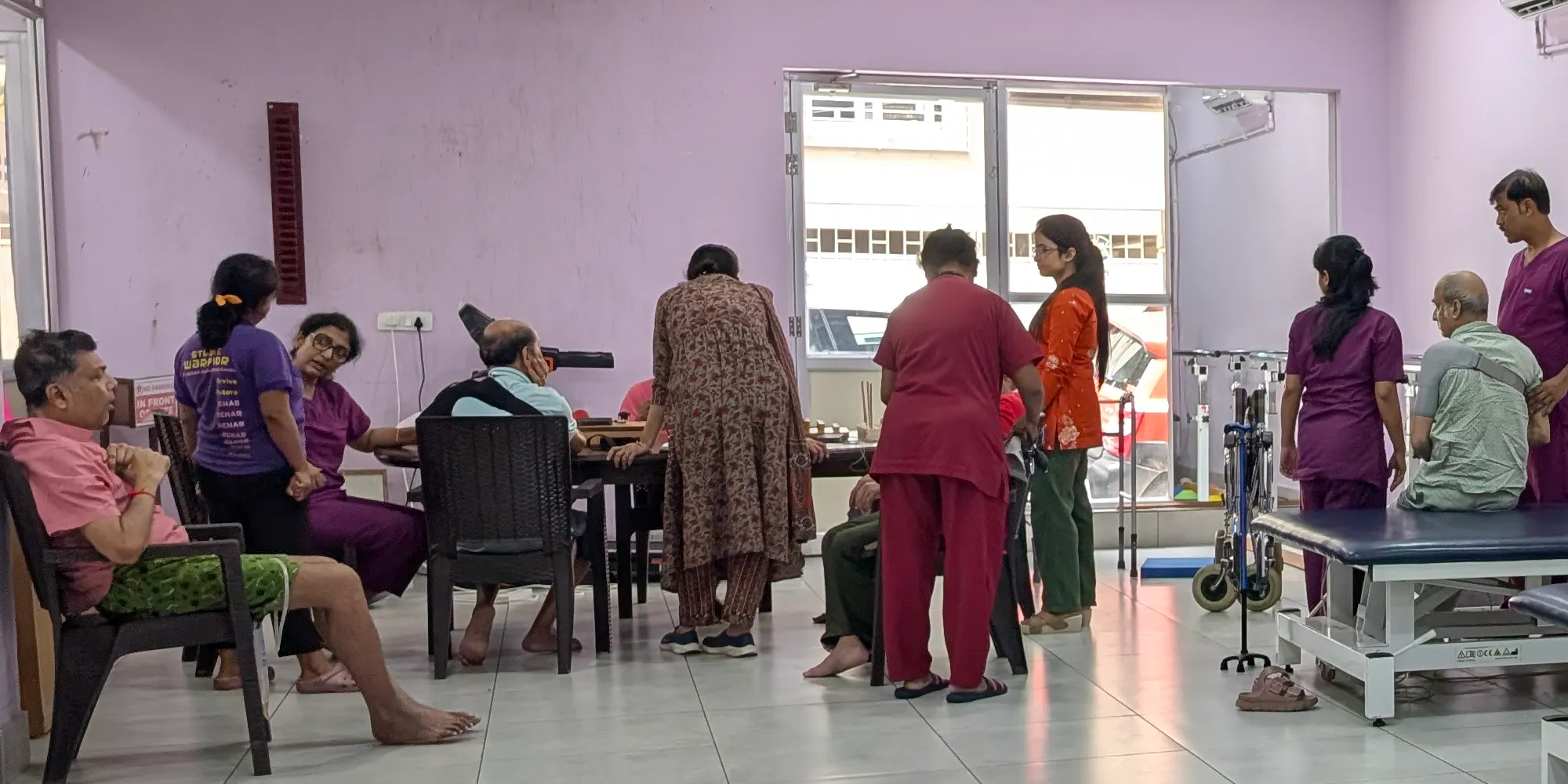
At Rehabana Neuro Rehab Center in kolkata , we use both physiotherapy and occupational therapy every day for our patients as per protocol framed by rehab physicians. They are not competitors. They are like two hands working together – one focuses more on strength of muscle, the other on practical implementation of power.
In this blog, we’ll explain in simple language:
And why, in most serious cases, you actually need both
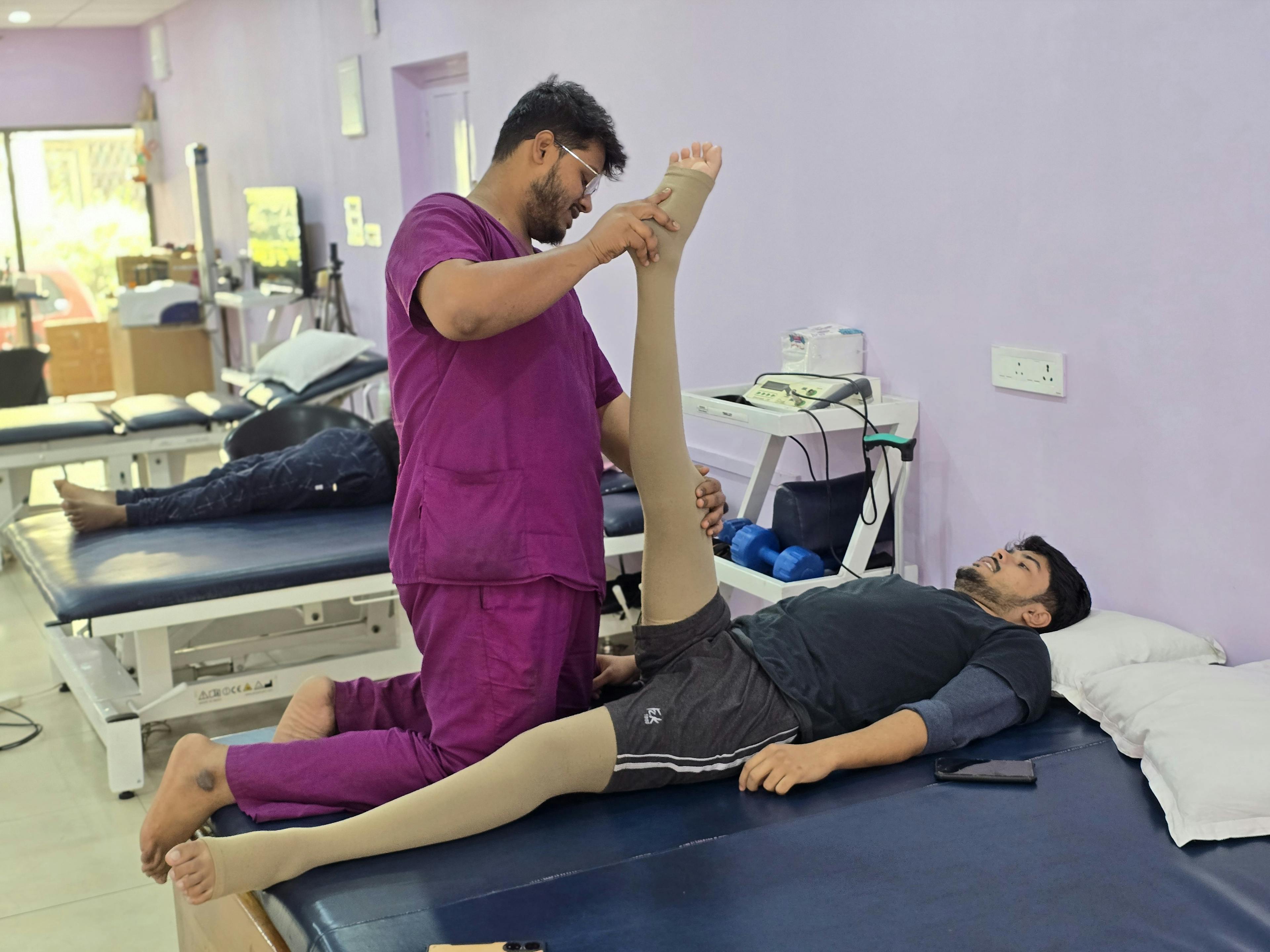
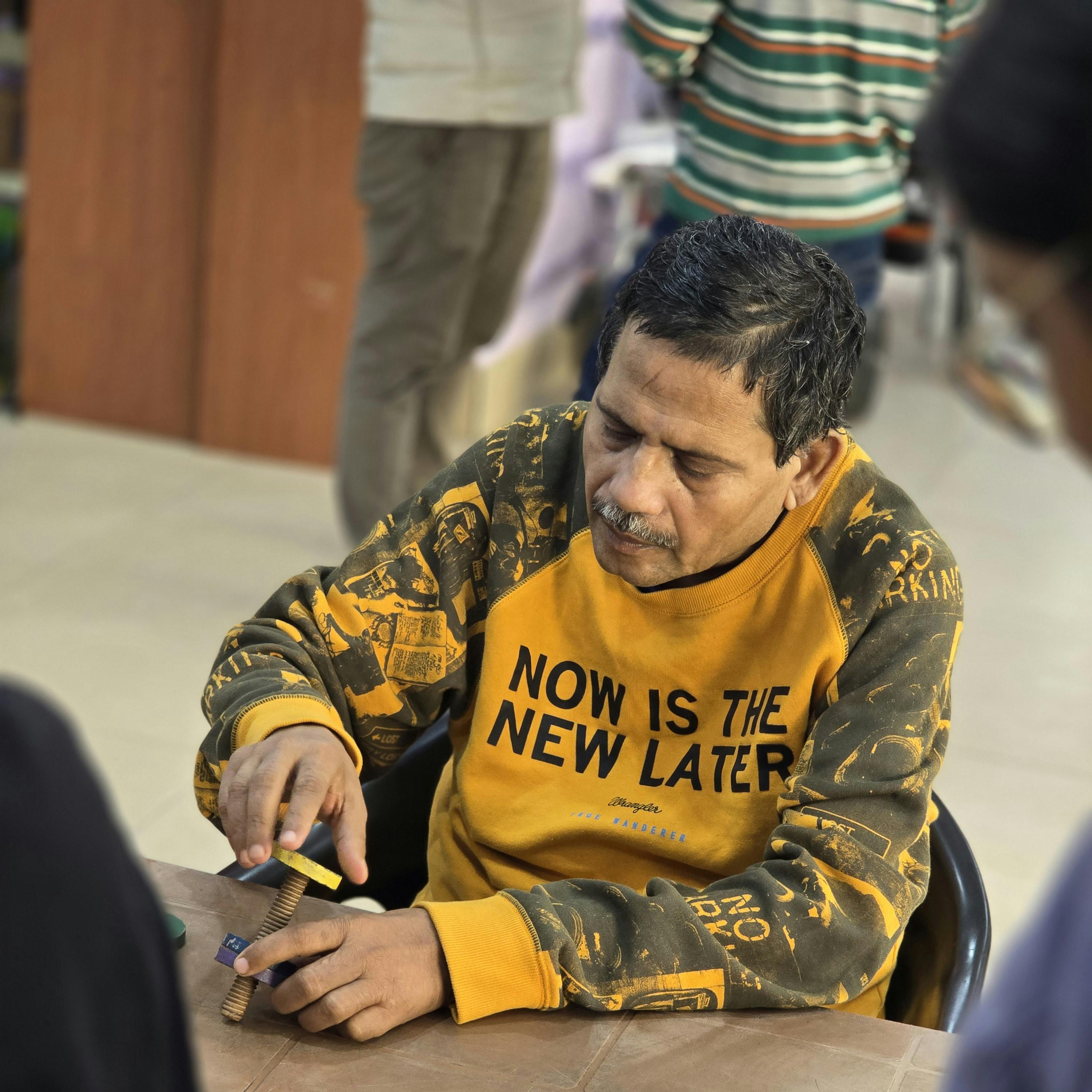
A physiotherapist mainly works on how your body moves.
Physiotherapy is about:
A physiotherapist helps you:
Think of physiotherapy as working on the engine and frame of your body – your muscles, joints and movement. If you’re looking for expert care, the best physiotherapy in Kolkata ensures safer movement, faster recovery, and long-term relief.
Recommended: Exploring Physiotherapy in Kolkata: Top FAQs Answered for Better Health
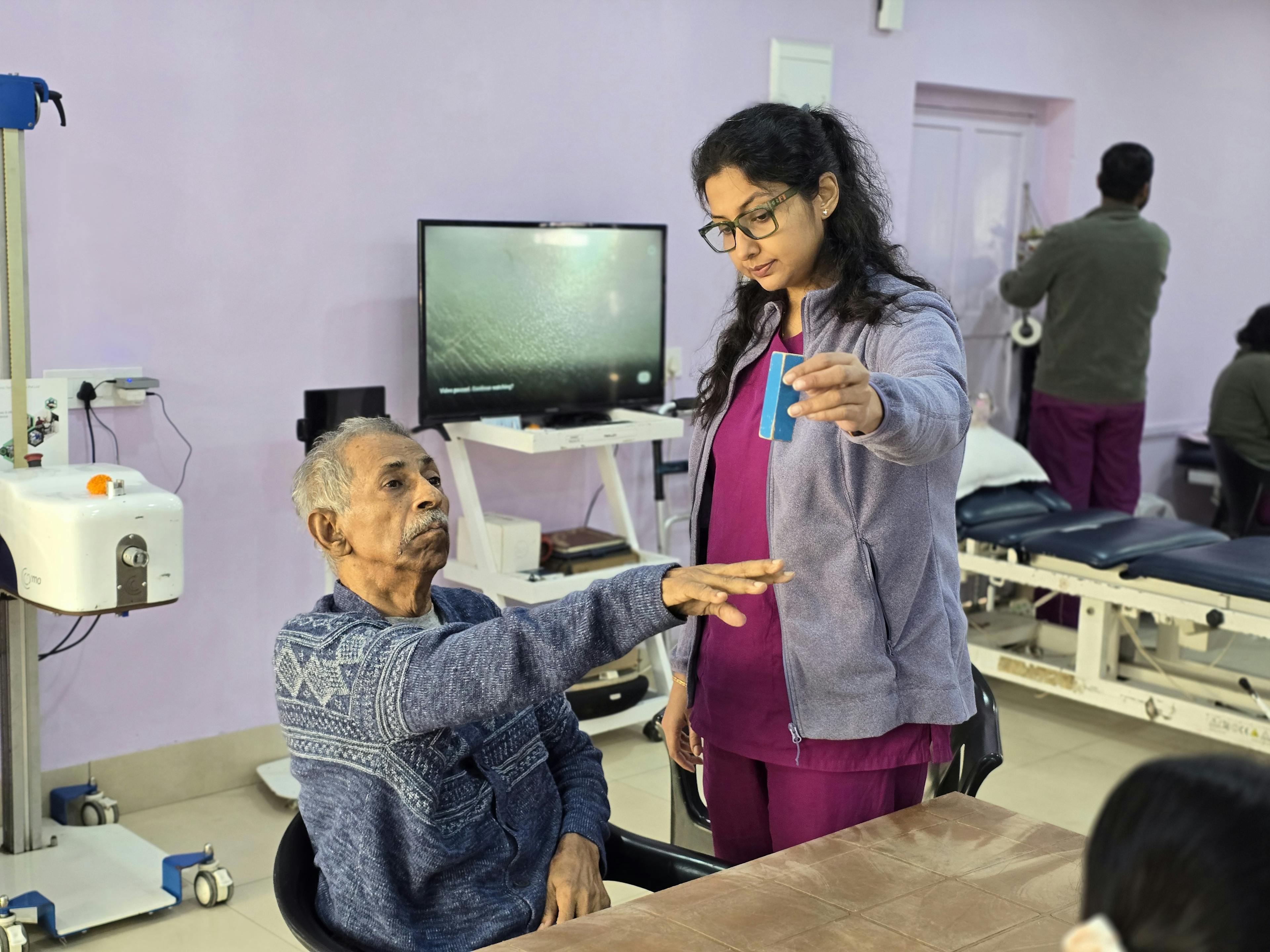
An occupational therapist (OT) focuses on what you actually do in daily life – your “occupations”. This includes:
Occupational therapy helps you:
You can think of OT as working on how you live your life, not just how your joints and muscles move. If you are looking for expert support, occupational therapy in Kolkata can help you regain independence and confidence in your everyday activities.
Read more: Occupational Therapy: What It Is & how Occupational Therapist Improves Life
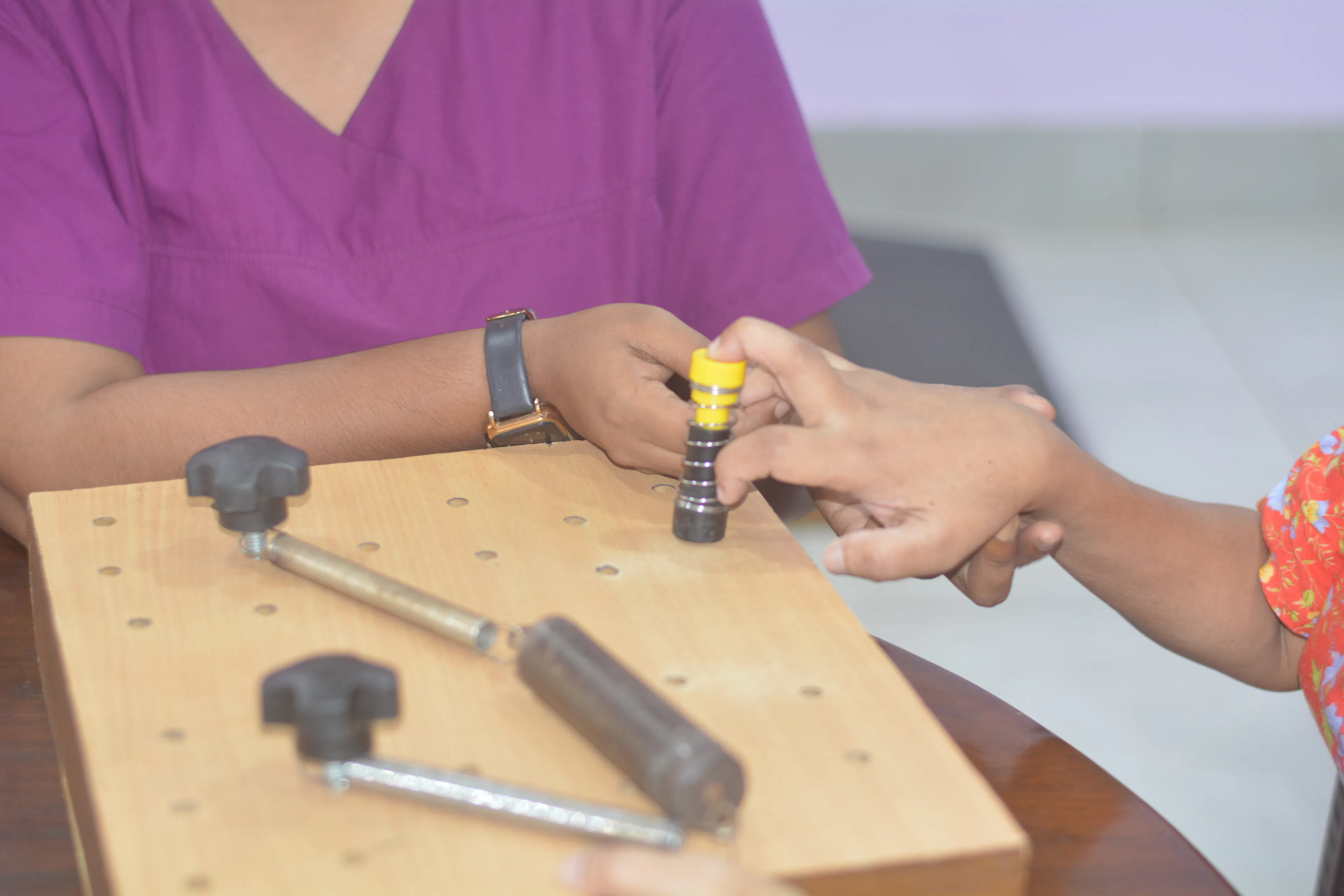
Here’s a simple way to see the difference:
In many cases, both work with the same patient, but look at slightly different goals from different angles.
Here, both are important. Physio gets the body moving, OT helps you use that movement in real life.
Again, one without the other feels incomplete.
Here too, physiotherapy improves the joint, OT helps protect it during life’s daily load.
Recommended: Physiotherapy in Kolkata: Key to Post-Surgery Recovery
The Honest Answer – It Depends on Your Goal
If you force a comparison, you might ask:
Both are essential.
Similarly:
In neuro cases (stroke, spinal cord injury, brain injury, Parkinson’s, etc.), the truth is:
👉 The best results almost always happen when physiotherapy and occupational therapy work together.
At Rehabana Neuro Rehab Center, we don’t ask:
“Occupational therapy vs physiotherapy – which is better?”
Instead, we ask:
“For this person, at this stage, what is the perfect composition of physio + OT?”
Move better
Live more independently
Feel more confident and less afraid
For people with neurological conditions, simply walking better (physio) is not enough if they still can’t bathe, dress, or manage their toileting independently (OT). That’s why we always see them as a team, not competitors.
Ask yourself or your loved one:
In many Rehabana cases, the answer is: “Both, but the focus shifts over time.” Early after injury, physio may be more. Later, OT may become central. We help you adjust this balance as recovery continues.
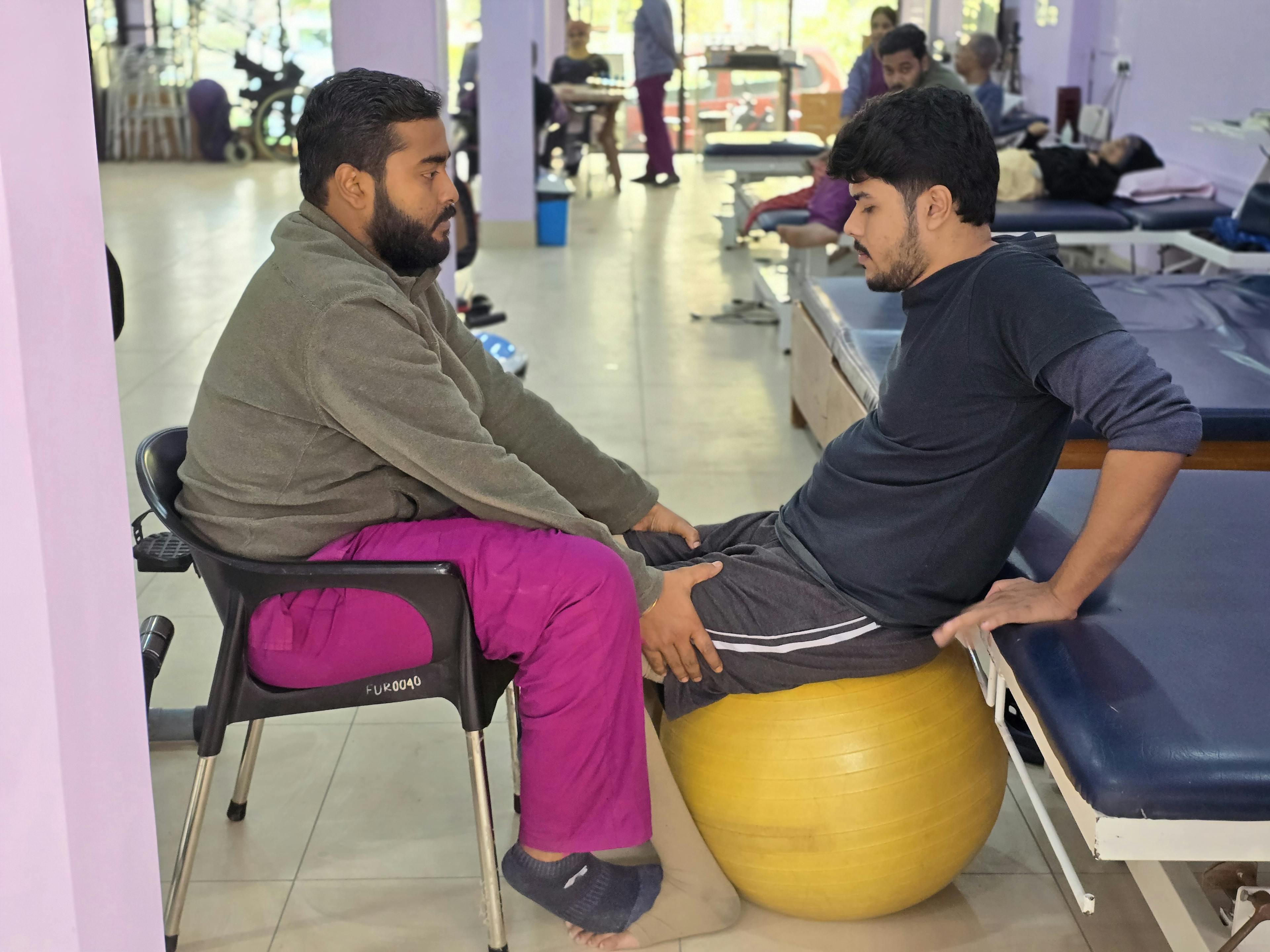
At Rehabana, our rehab doctors assess your condition and create the right balance of physiotherapy and occupational therapy, so recovery is practical, safe, and meaningful.
Knowledge That Guides Recovery
Get expert neuro rehabilitation tips from the doctors at Rehabana, Kolkata — simple guidance on stroke recovery, spinal cord injury rehab, Parkinson’s care, and enhancing quality of life after neurological conditions.
Returning to West Bengal after hospital treatment? Continue structured, multidisciplinary Neuro Rehabilitation closer to home with Rehabana.
Read More
Join the Neuro Rehabilitation Support Network, a community initiative convened by Rehabana. Connect with survivors, caregivers and professionals to learn, share and rebuild life together.
Read More
Complete Parkinson's home care guide for families, rehabilitation, safety and daily living.
Read More