Neuro Rehabilitation in Kolkata After Hospital Discharge
Returning to West Bengal after hospital treatment? Continue structured, multidisciplinary Neuro Rehabilitation closer to home with Rehabana.
Read MoreWhen a stroke happens, life often changes in ways no one expects.

For many families, the first emotion is relief. The acute stroke has been treated. The patient is stable. Doctors say recovery is possible.
But once the patient comes home, reality slowly begins to unfold.
Daily things that we usually do without thinking about them can become really hard to do after something like a stroke. Like buttoning a shirt this can take a time. Even holding a spoon can feel weird. People who had a stroke may also have trouble remembering what they need to do
A lot of people who had a stroke say the thing when they are first getting better:
"I just want to do things on my own again."
This is something that people really want to be able to do things by themselves. Occupational therapy after a stroke is very important for this reason.
Occupational therapists help people learn how to do things again. They do this by guiding them through therapy sessions. The therapist helps patients learn skills again feel more confident and get their life back under control. This is not about trying to get fast. It is, about taking things one step at a time and getting the support they need to recover from a stroke.
A stroke happens when blood does not reach the brain. This can occur because of a clot or bleeding in the brain. It affects the brain areas that control movement, thinking, speech or feelings.
Stroke effects often go beyond what people can see.
Many people who have had a stroke face challenges like:
These changes can make daily living after stroke feel overwhelming.
A person may physically be able to walk, but still struggle to plan a simple task. Some stroke patients describe it in a very honest way:
My body moves,. My mind feels slower.
This is why stroke rehabilitation is important for helping people get back to their routines. It is not about helping them move around but also about helping them do things that make their life happy and worth living.
When people think of the term therapy they often think it has to do with work or jobs.
That's not what occupational therapy is all about.
Occupational therapy is really about helping people get back, to doing the things they love and do every day, which's exactly what people need after a stroke.
It helps people return to activities that occupy their life and stroke recovery needs that.
An occupational therapist works with individuals recovering from illness or injury like stroke to rebuild the skills needed for activities such as:
When people have a stroke occupational therapy helps them become independent again and have a life.
Occupational therapy does not just focus on the muscles or memory it looks at the person, including how they think and move and plan and interact with the world around them.
Know more: Occupational Therapy: What It Is & how Occupational Therapist Improves Life

Occupational therapy after stroke helps people get back to life after they have been in the hospital.
After a stroke people usually go through a period of rehabilitation to regain their independence and ability to do things on their own.
During this time therapy helps people rebuild their lives and become independent again.
It is very important to start rehabilitation as this helps people recover from a stroke.
The National Stroke Foundation and other organizations all think that getting help early is very important for people who have had a stroke to get better.
When someone has a stroke they usually get a team of people to help them like therapists and physiotherapists and speech therapists and doctors and other experts in the field of stroke recovery.
This team of health care professionals works together to support early stroke rehabilitation and help people who have had a stroke throughout the process of getting better.
Know more: Stroke Rehab in Kolkata: First 90 Days Recovery Guide

Every stroke is different. That means every recovery journey is different too.
Before therapy begins, an occupational therapist may assess several aspects of the patient’s abilities, following established stroke rehabilitation guidelines to understand the patient’s physical, cognitive, and daily living challenges.
This assessment and treatment process often includes evaluating:
This evaluation helps the occupational therapist create a therapy plan that is just right for the patient.
The rehabilitation of people after a stroke involves different assessments and treatments so the therapy plan is often made with other specialists who are taking care of the patient.
One key part of therapy for stroke patients is helping them relearn daily activities.
These are the tasks that make up daily life.
Brushing teeth.
Preparing food.
Getting dressed.
Using the bathroom safely.
For people who have had a stroke everyday things they used to do easily now require a lot of effort and concentration to do.
An occupational therapist will work with stroke patients taking it one step at a time and help them practice these tasks over and again during their occupational therapy sessions.
The therapist might say, hey there is a way to do this task or they might give the patient a special tool to make the task easier.
This helps stroke patients do things on their own again and feel good about what they can do.
Having a stroke can also affect how people think and remember things.
A lot of people who have had a stroke notice that they have a time focusing making plans or figuring out problems. This can make simple things hard to do.
When a stroke patient is, in therapy the occupational therapist might give them things to do that will help them think clearly.
These things might include:
This type of therapy in stroke recovery helps patients reconnect their thinking abilities with real-life activities.
Progress here often happens quietly but it plays a powerful role in restoring independence.
Read more: Difference Between Occupational Therapy Vs Physiotherapy: Which Is Better?
Stroke often leads to physical dysfunction, especially weakness or reduced coordination in the arms or hands.
Occupational therapy focuses on how movement is used in real life rather than isolated exercise.
During occupational therapy treatment, therapists may use approaches such as:
These techniques help patients use the limb while doing things that matter.
This kind of therapy helps the brain slowly rebuild the paths that control movement and get better at coordinating.
Recovery does not stop after therapy sessions are over.
Your home is where you spend most of your time. The things around you at home really affect how you recover from something.
So it is an idea to make some changes at home.
An occupational therapist will help you find changes to make at Your Home that make daily life easier and safer for you, at Your Home.
These changes might include:
These changes allow patients to continue practicing skills outside of therapy and maintain progress in their stroke recovery journey.
Ultimately, the goal of occupational therapy for stroke is not just physical improvement.
It is about restoring the stroke survivor’s quality of life.
Recovery means being able to participate in meaningful parts of life again.
This may include:
For many stroke survivors, these moments represent real progress.
Sometimes the most meaningful victories are small ones preparing a simple meal, writing a message, or completing a routine independently.
These achievements remind patients that recovery is possible.
Recommended: How Occupational Therapy Supports Recovery After Brain Injury
Effective stroke rehab is rarely the work of one professional alone.
The management and rehabilitation of individuals following stroke includes multidisciplinary assessment and treatment provided by a coordinated team.
This multidisciplinary stroke rehabilitation team may include:
Through treatment by a coordinated team of health care professionals, patients receive well-rounded care that supports both physical and cognitive recovery.
This collaborative approach reflects internationally recognized best practice care in stroke rehabilitation.

There are many benefits of occupational therapy during stroke recovery.
Through structured occupational therapy services, patients can:
Importantly occupational therapy helps patients take back control of their lives and move forward with dignity and purpose.
The role of therapy after a stroke is not about doing exercises or getting medical treatment. It's about helping people figure out how to live their lives.
Through guidance customized therapy plans and help from a team of experts who specialize in stroke recovery occupational therapy can help people become more independent and confident as they heal from a stroke.
For people who have had a stroke progress can be slow. It's one task, one day, at a time. Every step forward counts.
With the kind of support, patience and occupational therapy in Kolkata people who are recovering from a stroke can become independent again. Have a better life. Occupational therapy really helps.
Knowledge That Guides Recovery
Get expert neuro rehabilitation tips from the doctors at Rehabana, Kolkata — simple guidance on stroke recovery, spinal cord injury rehab, Parkinson’s care, and enhancing quality of life after neurological conditions.
Returning to West Bengal after hospital treatment? Continue structured, multidisciplinary Neuro Rehabilitation closer to home with Rehabana.
Read More
Join the Neuro Rehabilitation Support Network, a community initiative convened by Rehabana. Connect with survivors, caregivers and professionals to learn, share and rebuild life together.
Read More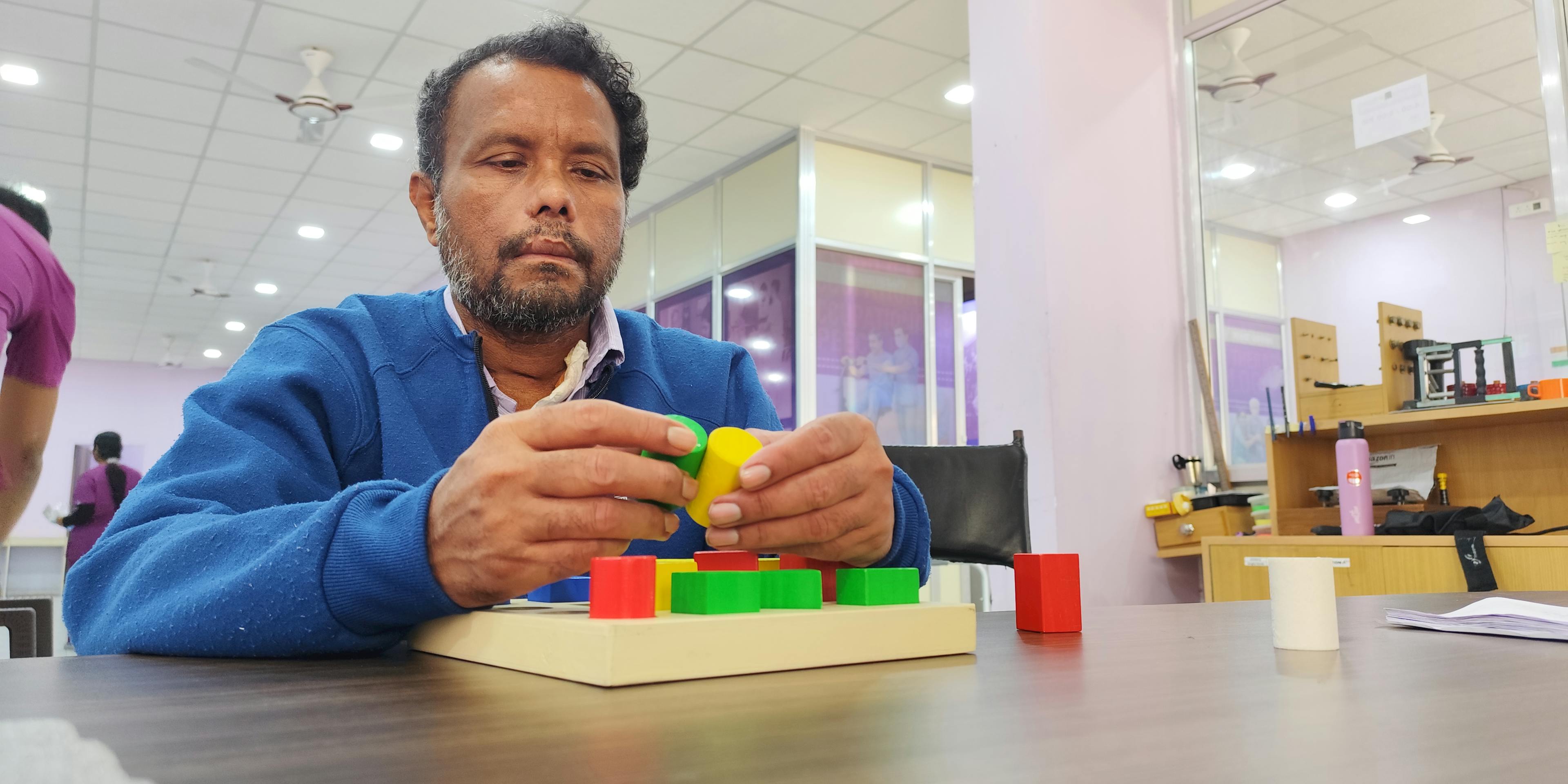
Complete Parkinson's home care guide for families, rehabilitation, safety and daily living.
Read More