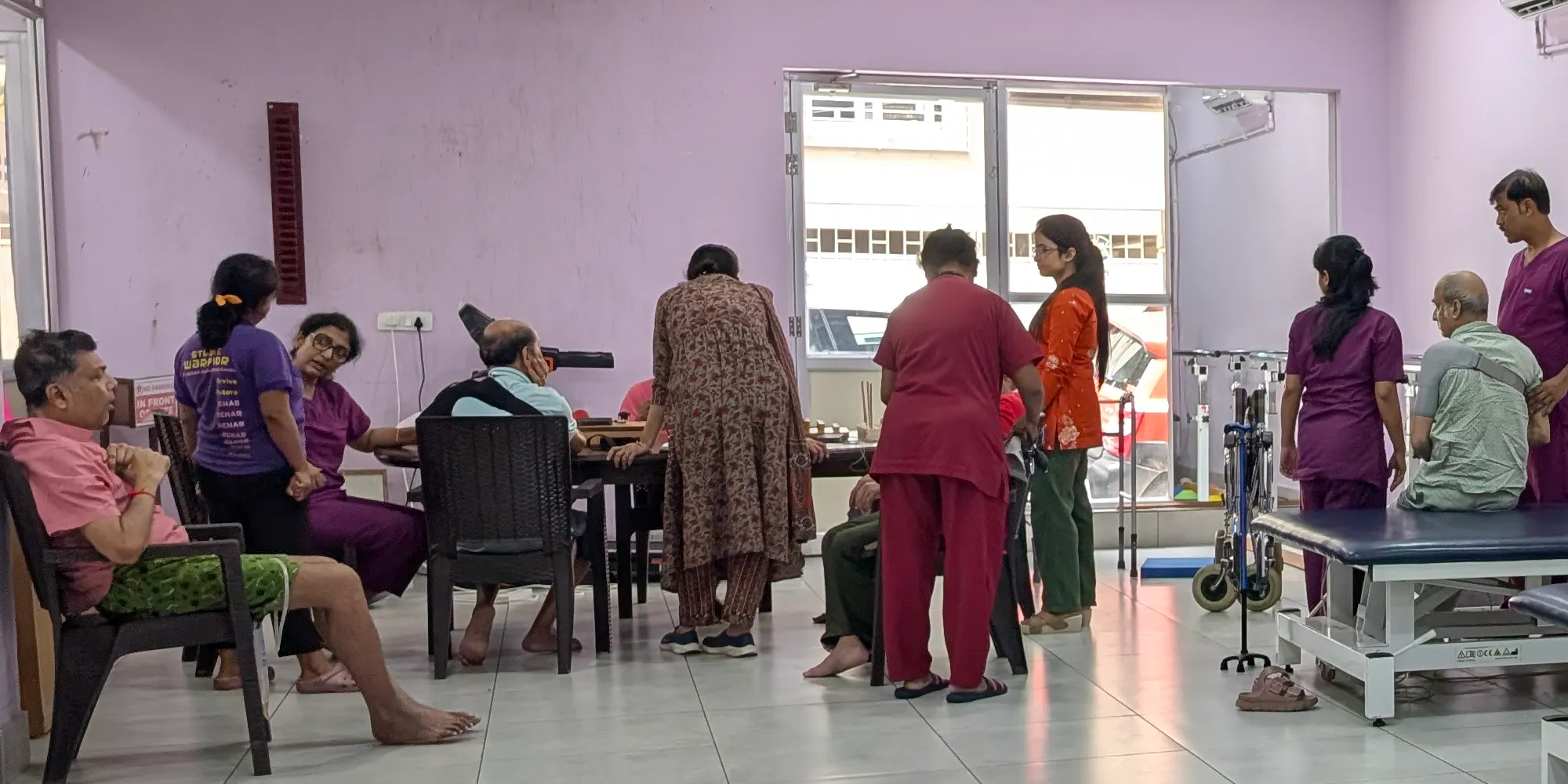
Neuro Rehabilitation in Kolkata After Hospital Discharge
Returning to West Bengal after hospital treatment? Continue structured, multidisciplinary Neuro Rehabilitation closer to home with Rehabana.
Read MoreLearn how speech therapy helps people with Parkinson’s disease improve speech, voice, and swallowing in everyday life.
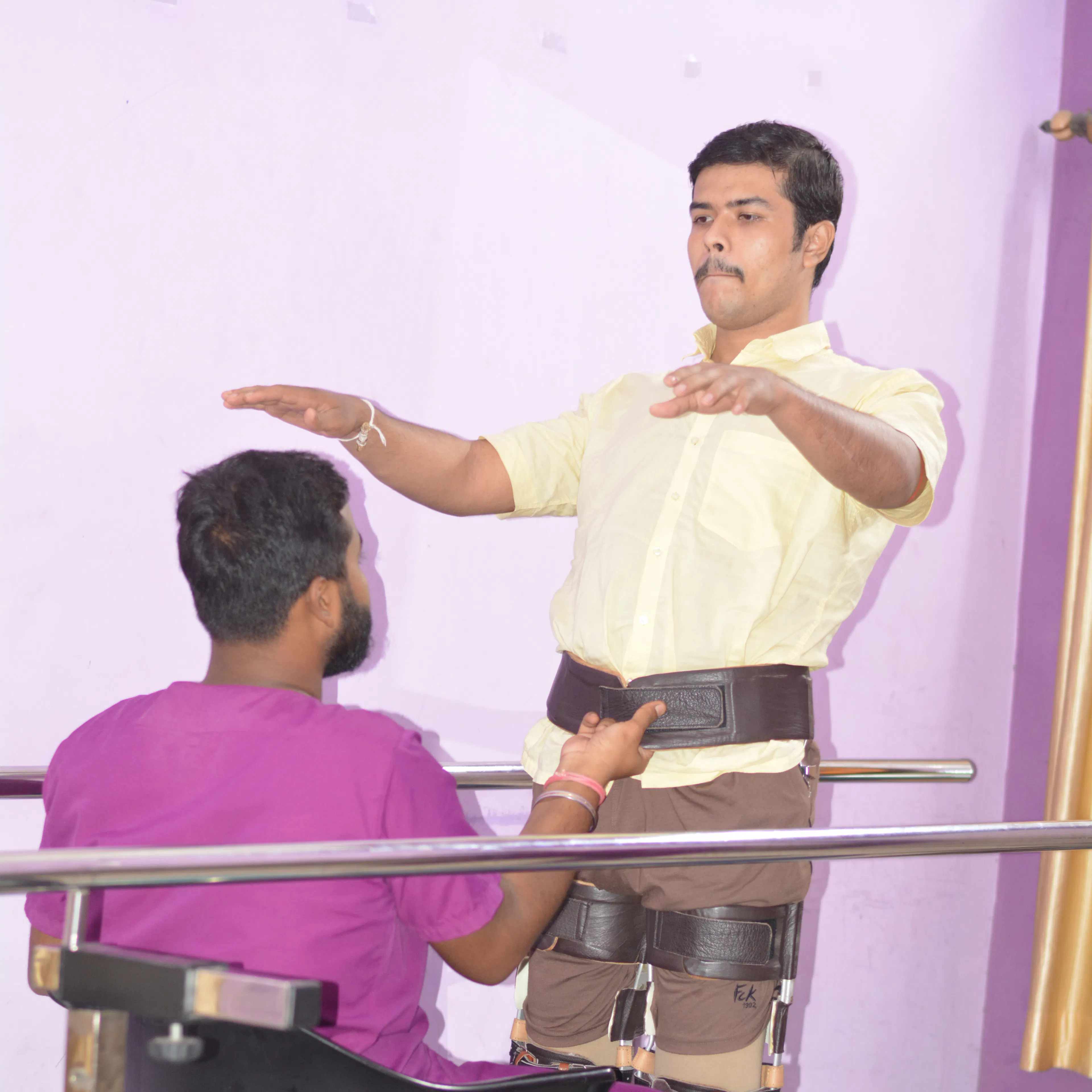
Parkinson’s disease changes many things slowly.
Most people notice movement first. The shaking. The stiffness. The slowness.
But families often tell us something else hurts more.
“He doesn’t talk much anymore.”
“Her voice is so low, we can’t hear her.”
“He coughs when he drinks water.”
“She avoids talking to guests.”
These are not small issues.
They affect confidence, dignity, and connection.
This is where speech therapy becomes important for people with Parkinson’s disease – not to make speech perfect, but to help life feel normal again.
As part of comprehensive Parkinson’s Disease Treatment in Kolkata, speech therapy focuses on real-life challenges, not just symptoms.
At Rehabana – Neuro Rehab Center, speech therapy for Parkinson’s patients is about everyday things: being understood, eating without fear, and feeling included in conversations.
Parkinson’s disease affects movement.
That includes small movements we don’t think about – like moving the lips, tongue, voice box, and throat.
So over time, many people with Parkinson’s disease and speech changes notice:
The difficult part is this:
Most patients feel they are speaking loudly and clearly. But the sound coming out is not what they feel inside.
That gap creates frustration.
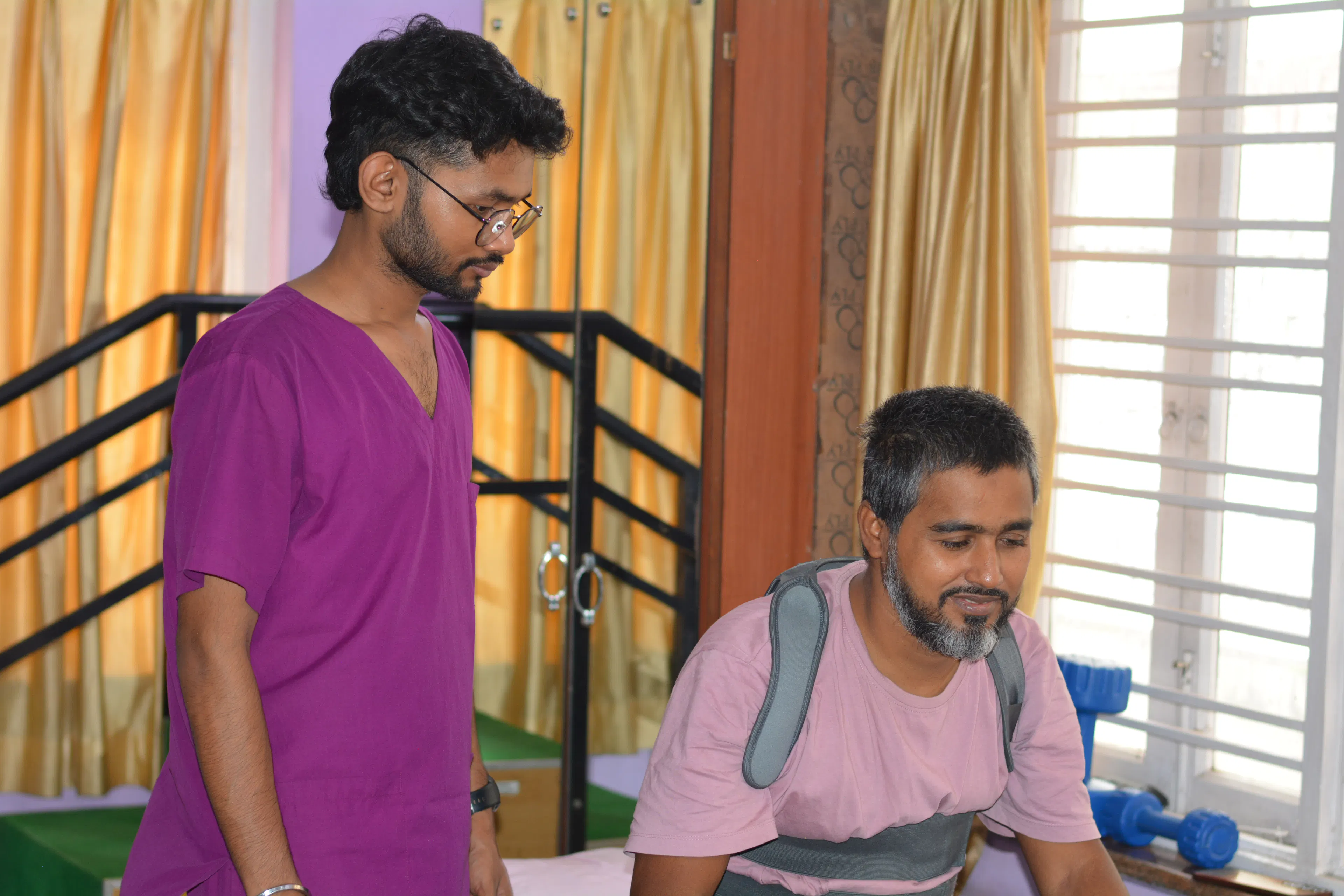
Speech and swallowing use the same muscles.
That’s why many Parkinson’s patients also develop swallowing difficulties.
Families notice things like:
This problem is called dysphagia.
If food or liquid enters the lungs, it can cause aspiration pneumonia, which is serious.
That’s why understanding what speech therapists do for communication and swallowing is important – speech therapy focuses on safe swallowing as well as clear, effective communication, not just talking.
Speech therapy does not cure Parkinson’s.
But speech therapy helps patients manage the parts of the disease that affect communication and eating.
A speech therapist or speech-language pathologist works with the patient to:
It’s practical.
It’s personal.
And it changes daily life.
Read more: Speech Therapy: What It Is & How Speech and Language Therapy Works
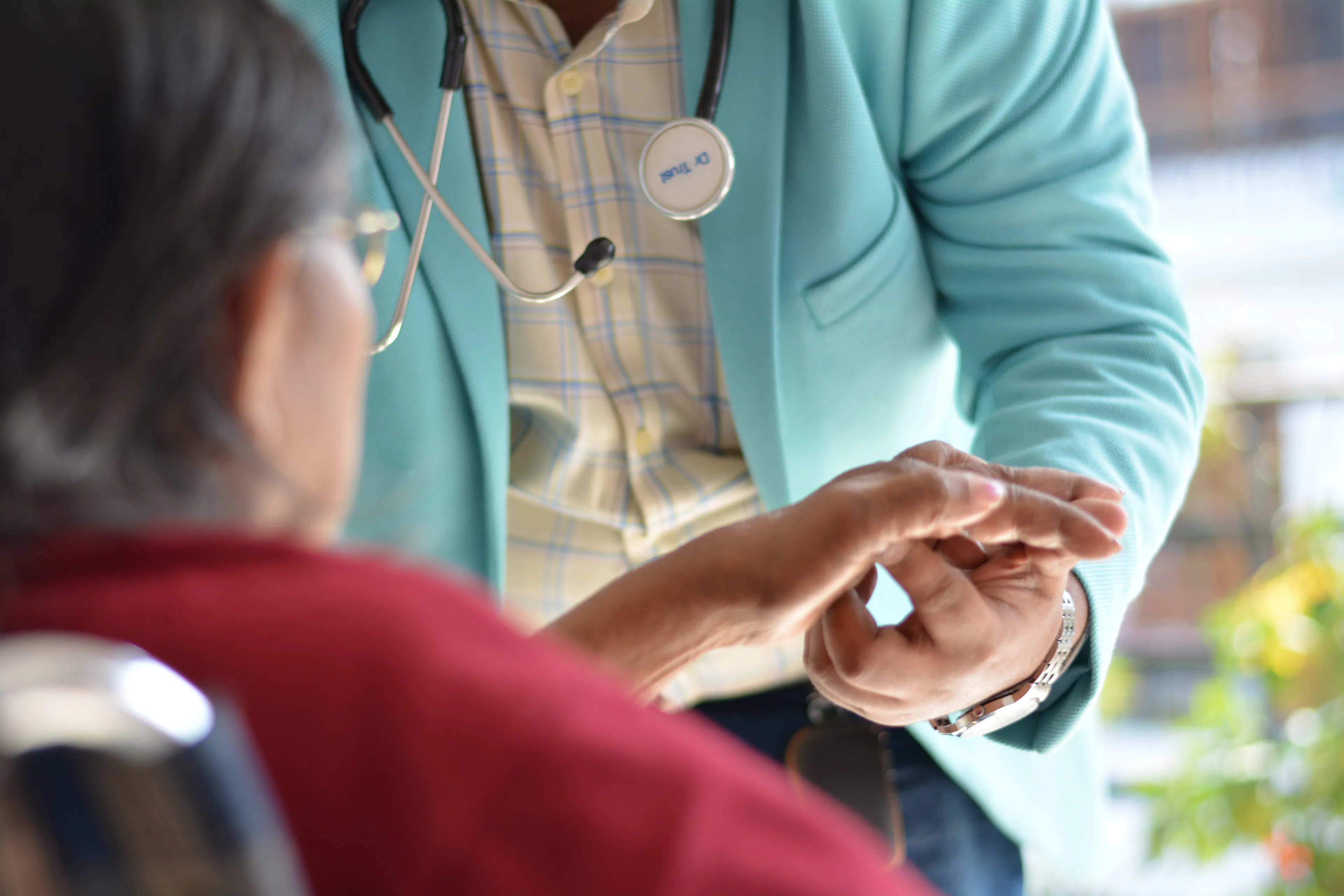
You may hear doctors mention Lee Silverman Voice Treatment, also called LSVT LOUD.
It sounds fancy, but the idea is simple.
Parkinson’s patients slowly start using a very small voice.
Their brain accepts that as “normal.”
LSVT LOUD speech therapy for Parkinson’s retrains the brain to understand what normal loudness actually is.
It helps patients:
This therapy is evidence-based and widely used for Parkinson’s speech problems.
Speech therapy for Parkinson’s also includes:
Working on mouth movements so words don’t sound slurred.
Helping patients show emotion through the face again.
Teaching safer ways to eat and drink.
Sometimes it’s posture. Sometimes it’s pacing. Sometimes it’s food texture.
What to do when speech feels difficult.
How to communicate without panic.
How caregivers can help without interrupting.
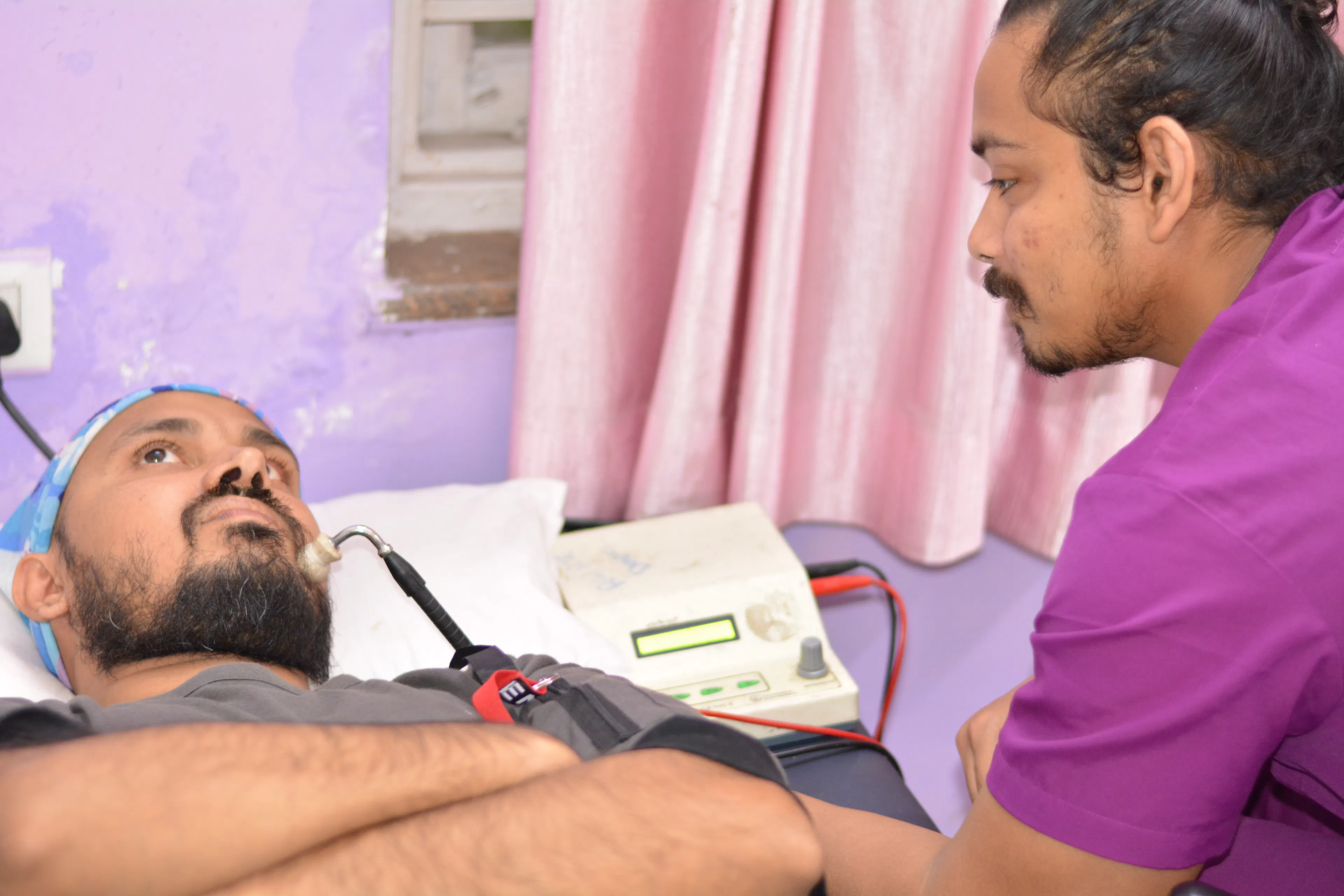
Earlier than most people think.
You don’t have to wait until speech becomes “very bad.”
Speech therapy should start if:
Early therapy helps maintain abilities longer.
It’s not stressful.
It’s not rushed.
A session may include:
No exams.
No pressure.
Just steady work.
Recommended: Speech Therapy in Kolkata: Addressing Post-Operative Vocal Challenges
Speech problems often lead to:
Many Parkinson’s patients stop speaking – not because they can’t, but because it feels exhausting or pointless.
Speech therapy helps patients:
This emotional change matters just as much as physical improvement.
Caregivers are a big part of success.
Simple things help a lot:
Speech therapy works best when the home environment supports it.
Know more: Key Differences Between Physiotherapy and Neurotherapy
Yes.
Even when Parkinson’s disease worsens, speech therapy can:
Therapy changes with the stage of the disease.
It never becomes meaningless.
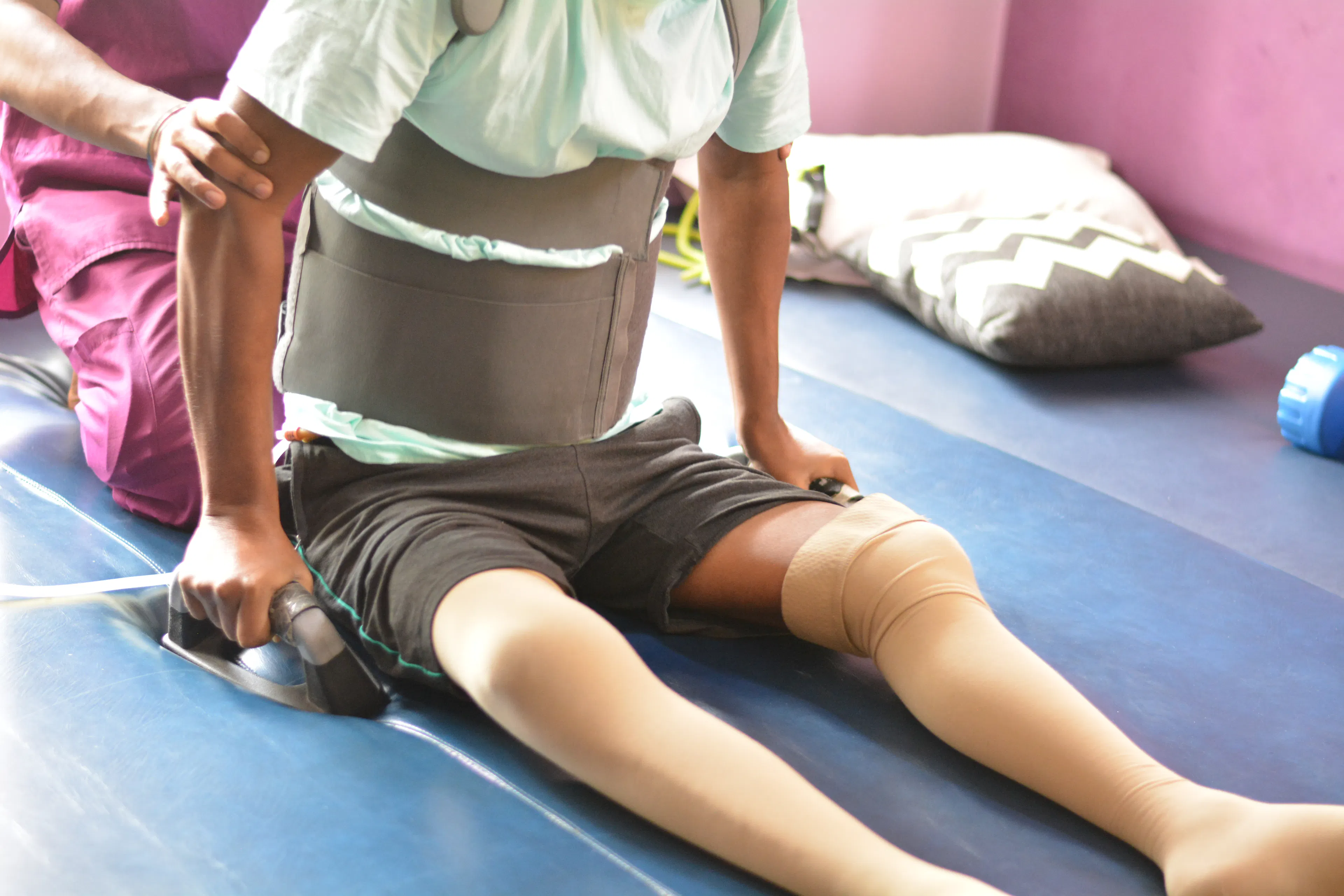
There is no fixed timeline.
Some people improve in weeks.
Some need regular therapy to maintain skills.
What matters is not speed.
What matters is daily life becoming easier.
At Rehabana, Speech & Swallow Therapy is delivered with a clear, patient-first approach:
We aim for:
Parkinson’s disease may change how a person moves.
It may change how they speak.
But it should never take away their voice.
With the right speech therapy for Parkinson’s disease, people can communicate, eat safely, and stay connected – to family, to life, to themselves.
And sometimes, that connection is everything.
At Rehabana, recognised as one of the best rehab centre in Kolkata, we focus on helping people with Parkinson’s preserve dignity, confidence, and everyday communication through expert, compassionate care.
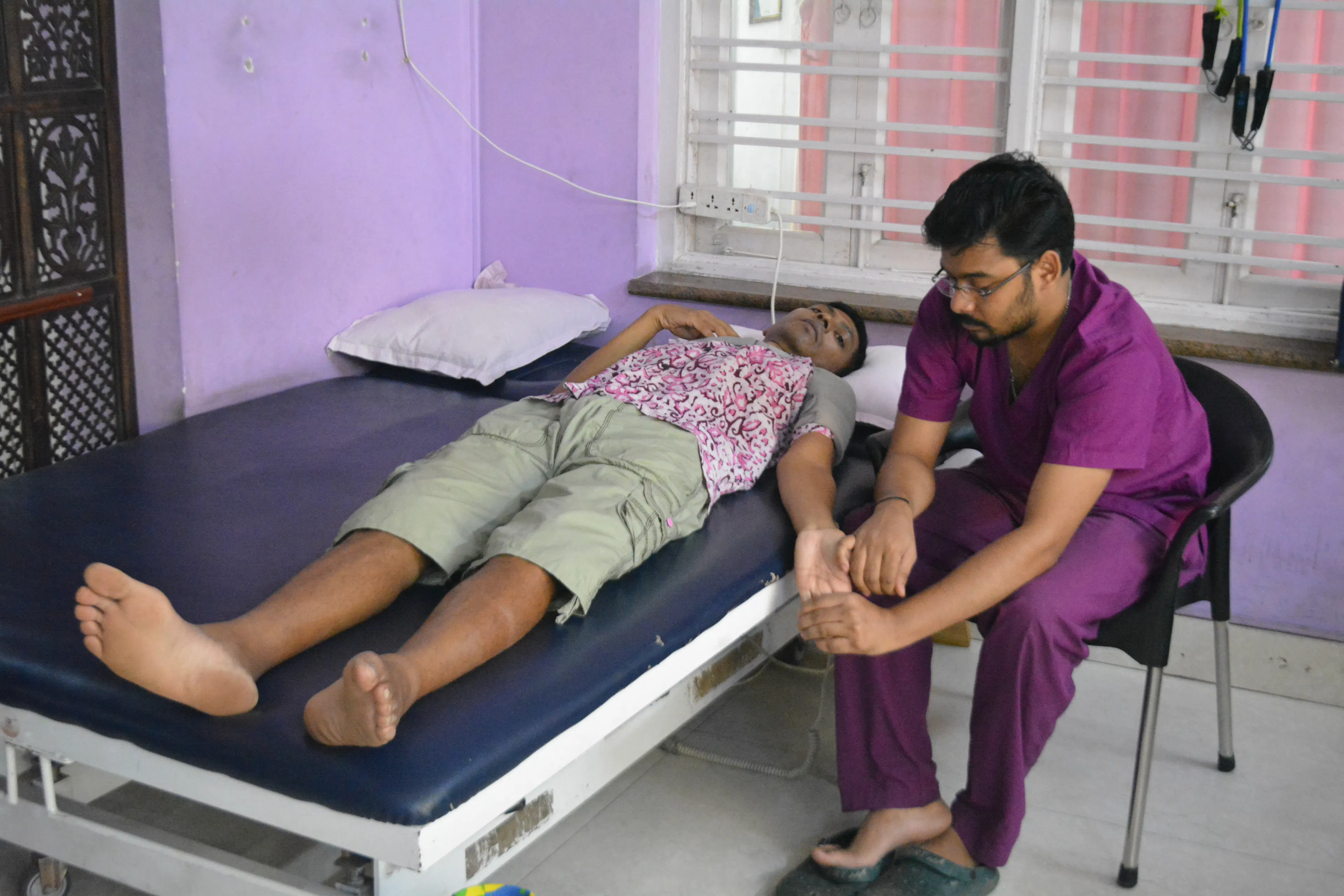
Our speech-language therapists work patiently with children and adults to build confidence, clarity, and real-life communication skills.
Knowledge That Guides Recovery
Get expert neuro rehabilitation tips from the doctors at Rehabana, Kolkata — simple guidance on stroke recovery, spinal cord injury rehab, Parkinson’s care, and enhancing quality of life after neurological conditions.
Returning to West Bengal after hospital treatment? Continue structured, multidisciplinary Neuro Rehabilitation closer to home with Rehabana.
Read More
Join the Neuro Rehabilitation Support Network, a community initiative convened by Rehabana. Connect with survivors, caregivers and professionals to learn, share and rebuild life together.
Read More
Complete Parkinson's home care guide for families, rehabilitation, safety and daily living.
Read More