Neuro Rehabilitation in Kolkata After Hospital Discharge
Returning to West Bengal after hospital treatment? Continue structured, multidisciplinary Neuro Rehabilitation closer to home with Rehabana.
Read MoreAt Rehabana, we’ve seen how speech therapy helps people rediscover their voice after a stroke, brain injury, or neurological conditions. Learn how speech-language therapy works and how it restores communication, confidence, and connection.
If we had to describe it simply, we’d say this:
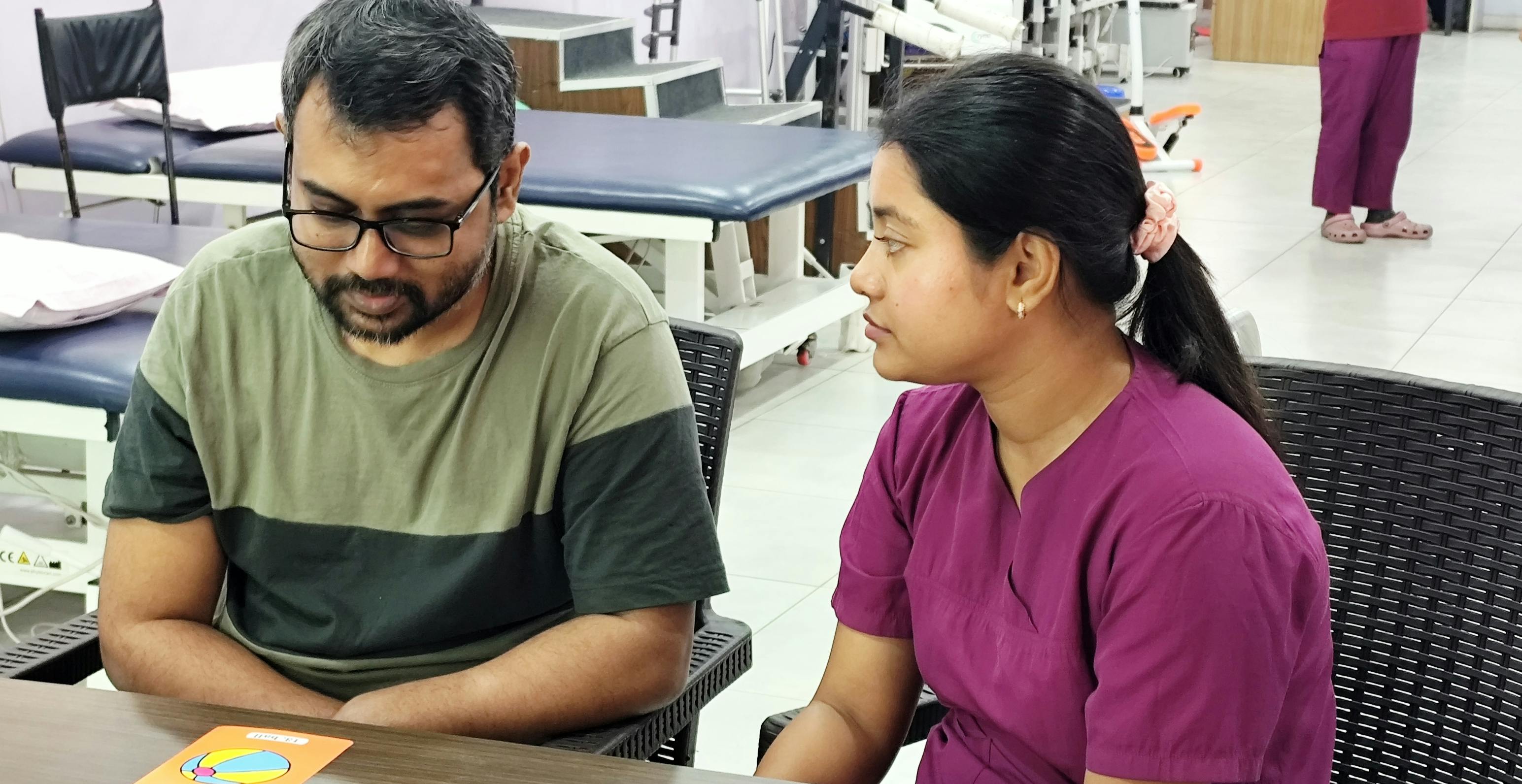
Speech therapy helps people talk, understand, and express themselves again.
It’s led by specialists known as speech-language pathologists (you may hear them called speech therapists). They work with both children and adults who face challenges in speaking, understanding, or swallowing.
Speech therapy is for anyone with a speech or language disorder, fluency issue, or communication difficulty. It also helps people who’ve lost the ability to speak or swallow after a stroke, brain injury, or neurological illness.
In therapy, we focus on things like:
In short, it’s about rebuilding communication and confidence.
Must Read: Rehabilitation vs. Therapy: What’s the Difference & Why It Matters
We often tell families, “Speech is not just about words; it’s about connection.”
When someone loses that, everything feels harder. You can’t tell your loved ones how you feel. You can’t order your favorite food. You may even start avoiding conversations altogether.
That’s why speech and language therapy matters so much. It’s not only about fixing speech problems. It’s about helping people feel human again.
For adults, it’s often part of recovery after a stroke, spinal cord injury, or traumatic brain injury. Some may struggle with slow or slurred speech, others with swallowing disorders or language difficulties.
For children, therapy helps with language development, speech sound clarity, and communication skills things that build confidence early in life.
We’ve seen it again and again: speech therapy doesn’t just help people talk. It helps them reconnect with family, friends, and the world.
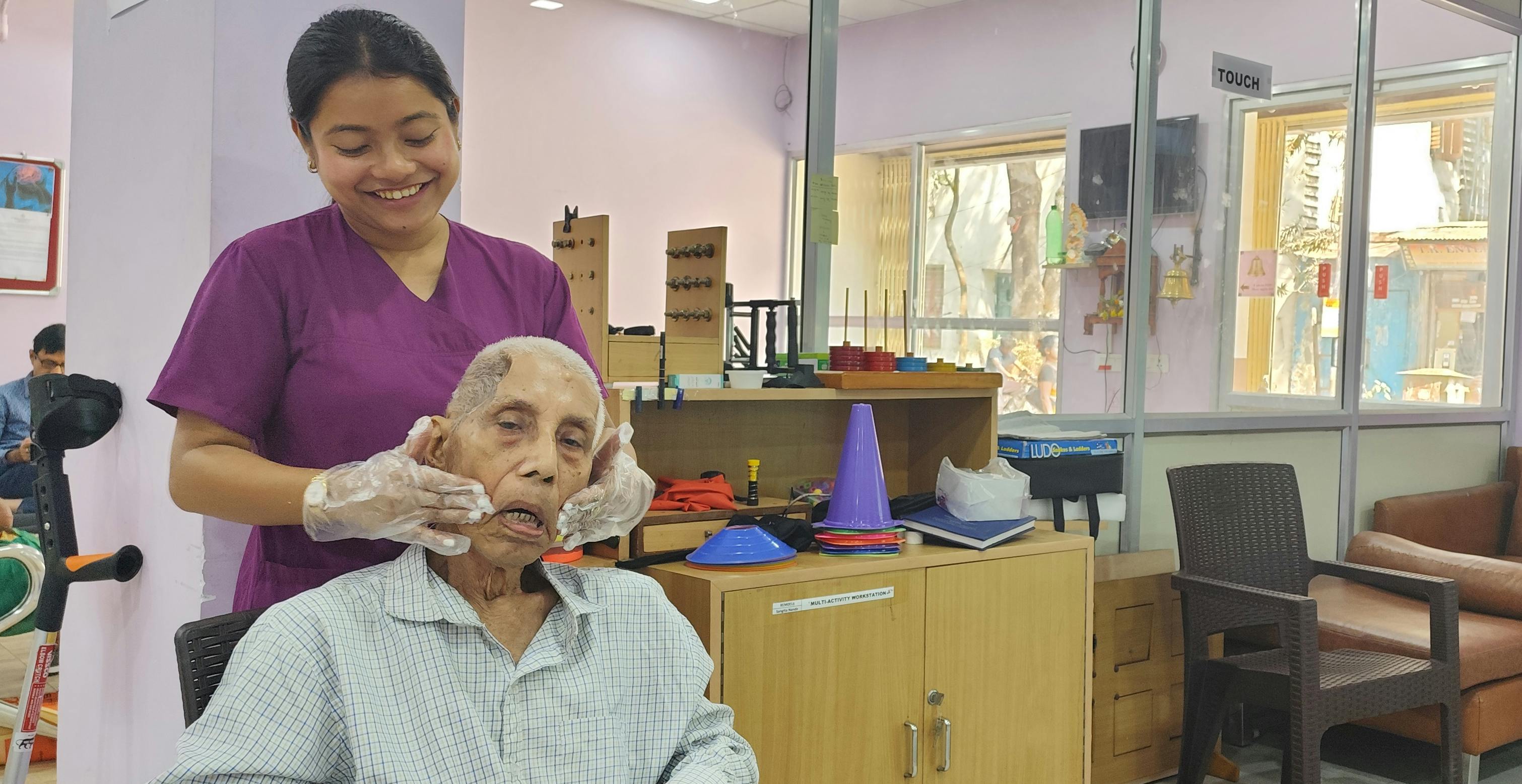
Every person is different. That’s why at Rehabana, no two therapy programs are ever the same.
We start by understanding what’s really going on physically, mentally, and emotionally. Then we design a therapy plan that fits that person’s unique needs.
Here’s how it usually works:
The first thing we do is listen and observe.
Our speech-language pathologists gently assess how a person speaks, listens, understands, and swallows.
We look for whether it’s a speech disorder (like difficulty saying certain sounds), a language disorder (like trouble understanding words), or a fluency disorder (like stuttering).
If the patient has had a stroke or brain injury, we check for apraxia of speech, dysarthria, or cognitive-communication disorders which affect how the brain plans or coordinates speech.
And for those who struggle to eat or drink safely, we check for swallowing disorders (also called dysphagia).
This isn’t just a test. It’s the first conversation about what’s happening, and what can get better.
Recommended: Role of Rehabilitation Center: Why It Speeds Up Healing More Than You Think
Once we understand the challenge, we talk about goals. Not big medical ones personal ones.
Sometimes it’s,
These become our milestones. We build the therapy plan around them because recovery should feel meaningful.
Therapy sessions at Rehabana don’t feel like hospital appointments. They feel like progress gentle, guided, step by step.
Here are some of the techniques we use:
a. Articulation Therapy
When someone struggles to make certain sounds or pronounce words clearly, we use articulation therapy. It’s about training the tongue, lips, and mouth practicing sounds like “r,” “s,” or “th” until they flow naturally.
b. Language Therapy
For people with language disorders, we use simple play activities, reading, or daily-life conversations to stimulate language development. It helps the brain re-learn how to understand and use language effectively.
c. Voice Therapy
For those with weak or monotone voices maybe due to Parkinson’s disease or hearing loss voice therapy focuses on breathing and projection. It helps make the voice stronger and clearer.
d. Fluency Therapy
This helps people who stutter or have a fluency disorder. We practice timing, relaxation, and breathing to make speech smooth again restoring both the flow of speech and the confidence behind it.
e. Swallowing Therapy
Many people don’t realize that swallowing is a part of speech therapy too. For those who have difficulty swallowing often caused by a stroke we teach safe techniques and exercises to strengthen the muscles used for swallowing.
f. Cognitive-Communication Therapy
Some patients, especially after brain injuries, struggle to think and speak clearly. Here, we focus on memory, attention, and problem-solving helping them communicate with clarity again.
And for patients with severe speech or language impairment, we sometimes use augmentative and alternative communication (AAC) things like speech-generating devices, picture boards, or gestures. It ensures no one is left voiceless, even while healing.
Read This: Physiotherapy and Rehabilitation: Here’s the Real Difference
Recovery doesn’t just happen in therapy rooms. It happens at home in small, consistent moments.
That’s why we teach families how to help. A few minutes of speech practice at home can make a huge difference.
It could be reading together, naming things around the house, or playing small games that stimulate communication.
We remind families often:
“Your patience, your encouragement that’s the best kind of therapy.”
Because when families are involved, progress feels faster, and healing feels lighter.
Every couple of weeks, our doctors and therapists meet to review progress.
We track changes in articulation, fluency, and language skills, and if needed, we adjust the plan.
This way, patients and families always know what’s improving - and what we’re working toward next.
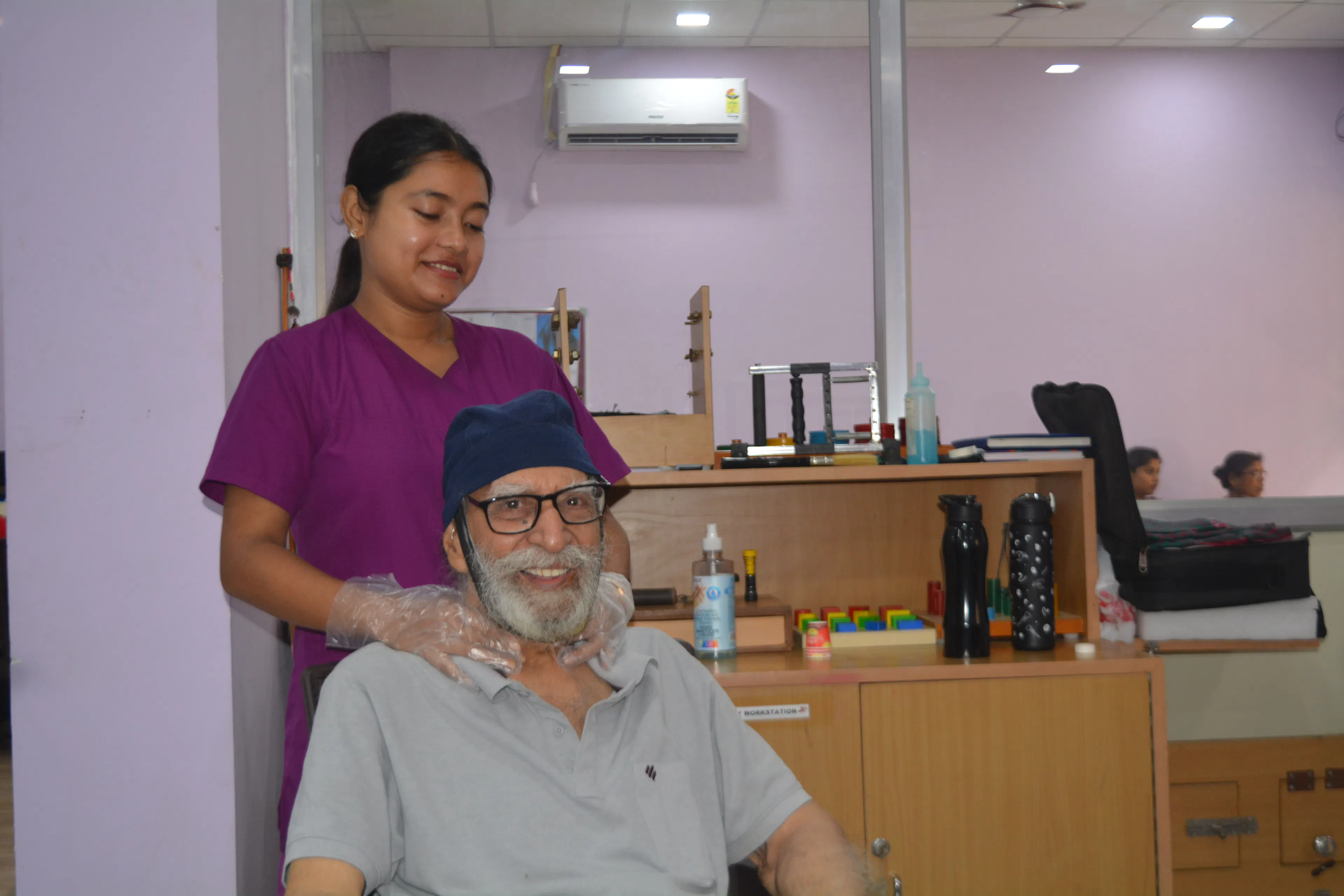
Speech therapy can help children and adults alike.
You may want to consider therapy if you notice:
There are many types of speech disorders, and each needs a tailored plan.
At Rehabana, we provide both speech therapy for adults and pediatric speech therapy, including speech and swallowing rehabilitation, all under medical supervision.
The benefits of speech therapy reach far beyond words.
It helps people:
Every sound, every word, every smile that returns that’s progress.
There’s no one answer. Recovery depends on the person, the type of speech or language disorder, and how consistently therapy happens.
Some notice changes in a few weeks. Others take months. But the key is patience because speech therapy works best when families stick with it.
We often tell them,
“You may not see progress every day, but you’ll hear it one word at a time.”
Know more: Post-Discharge Support by Best Neuro Rehabilitation Center
Families across Kolkata and Eastern India trust Rehabana because our programs are guided by compassion, not just checklists.
Here’s what makes us different:
We don’t just help people speak again we help them find their confidence, and with it, a better quality of life.
Myth 1: “Speech therapy is only for kids.”
Truth: Many adults regain speech after stroke or neurological disorders with the right therapy.
Myth 2: “If it doesn’t work fast, it won’t work at all.”
Truth: Progress is gradual, but every session builds improvement.
Myth 3: “Technology replaces therapy.”
Truth: Machines can help, but empathy and guidance from a speech therapist make recovery possible.
Myth 4: “It’s only about speaking.”
Truth: It also helps with swallowing, memory, and overall communication skills.
Know more: Challenges of Rehabilitation in India | Why Families Struggle
Families play a huge role in recovery.
Here’s how you can make the process smoother:
Your faith and patience make therapy work even better.
We’ve seen hundreds of journeys at Rehabana from silence to speech, from isolation to laughter. Every single one reminds us that speech therapy is more than treatment. It’s the bridge back to life.
If your loved one struggles with speech or language difficulties, swallowing problems, or communication disorders, please remember:
Recovery is possible. Always.
It takes time, teamwork, and compassion - but the voice comes back. The smile returns. And so does confidence.
If you or your loved one needs speech therapy or speech and language rehabilitation, reach out today.
Knowledge That Guides Recovery
Get expert neuro rehabilitation tips from the doctors at Rehabana, Kolkata — simple guidance on stroke recovery, spinal cord injury rehab, Parkinson’s care, and enhancing quality of life after neurological conditions.
Returning to West Bengal after hospital treatment? Continue structured, multidisciplinary Neuro Rehabilitation closer to home with Rehabana.
Read More
Join the Neuro Rehabilitation Support Network, a community initiative convened by Rehabana. Connect with survivors, caregivers and professionals to learn, share and rebuild life together.
Read More
Complete Parkinson's home care guide for families, rehabilitation, safety and daily living.
Read More