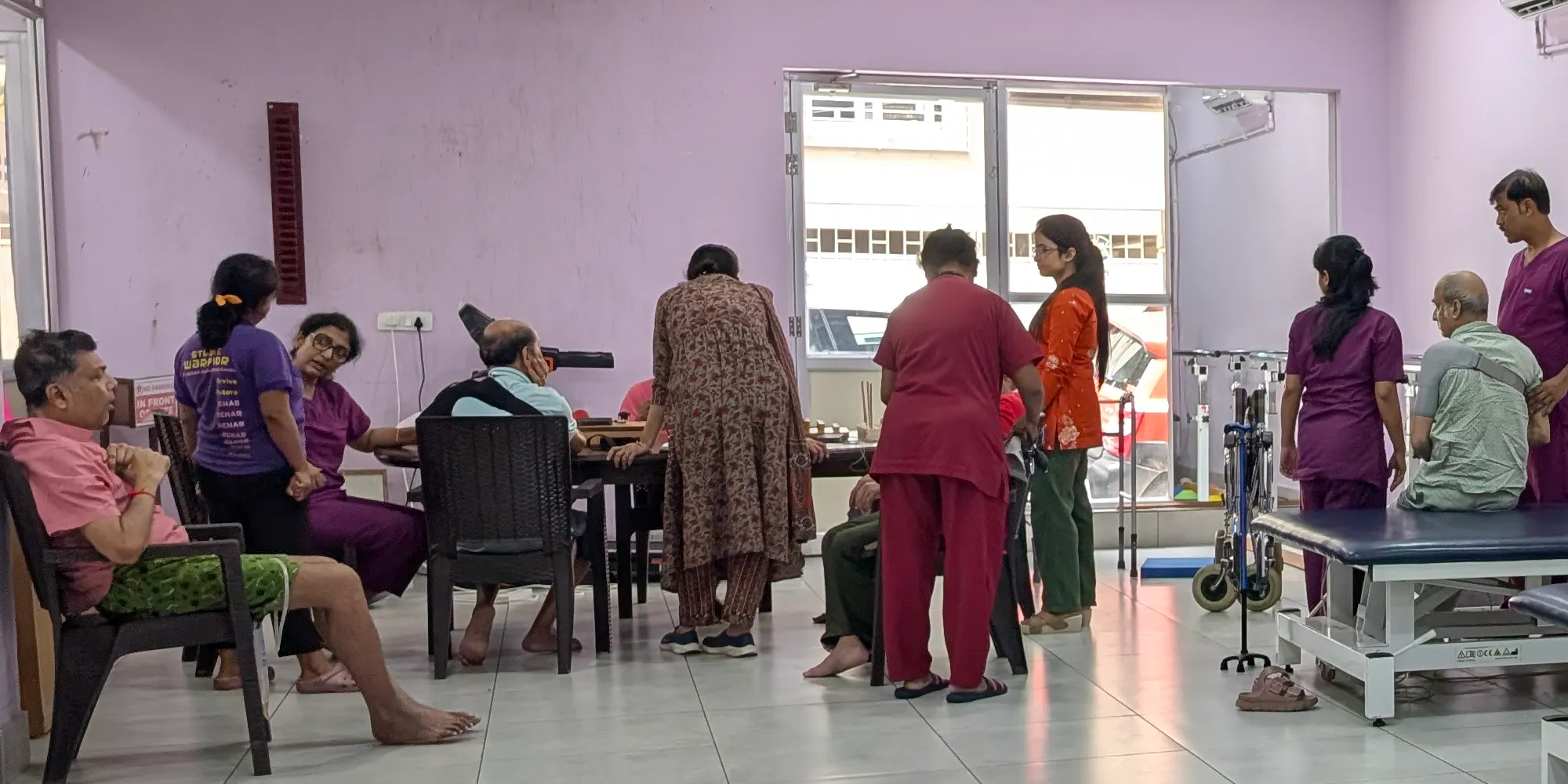
Neuro Rehabilitation in Kolkata After Hospital Discharge
Returning to West Bengal after hospital treatment? Continue structured, multidisciplinary Neuro Rehabilitation closer to home with Rehabana.
Read MoreRehabilitation is not just therapy; it’s the journey of regaining life after illness, injury, or disability. Learn what rehabilitation is, its types, benefits, and outcomes.
Let me take you into a real moment.
A man in his early 50s. Just yesterday, he was laughing with his kids, walking down the lane to the park. Then, suddenly, a stroke. Overnight, his body stops listening to him. His right hand won’t move. Words won’t come out of his mouth. His wife sits next to him in the hospital, eyes full of questions, “Will he ever be the same again?”
That’s where rehabilitation quietly enters the picture. Not as some big medical miracle, but as a friend who says, “Okay, let’s take one small step today. And another tomorrow.”
Let me put it straight, rehabilitation is not a doctor’s heavy word. It’s just about helping someone live their life again when illness, accident, or disability tries to take it away.
Think of it like this. Life is running smoothly… and then suddenly, bam! – a stroke, a spinal cord injury, a fall, or a disease changes everything. The hospital may save the person’s life, but what about after that? That’s where rehab steps in.
I often say it’s like a bridge. On one side, survival, you’ve come out of the ICU, and the doctors did their job. On the other side? Living, walking to the market, laughing with your kids, cooking your favorite meal. Rehabilitation is that bridge that helps you cross over, slowly, with support.
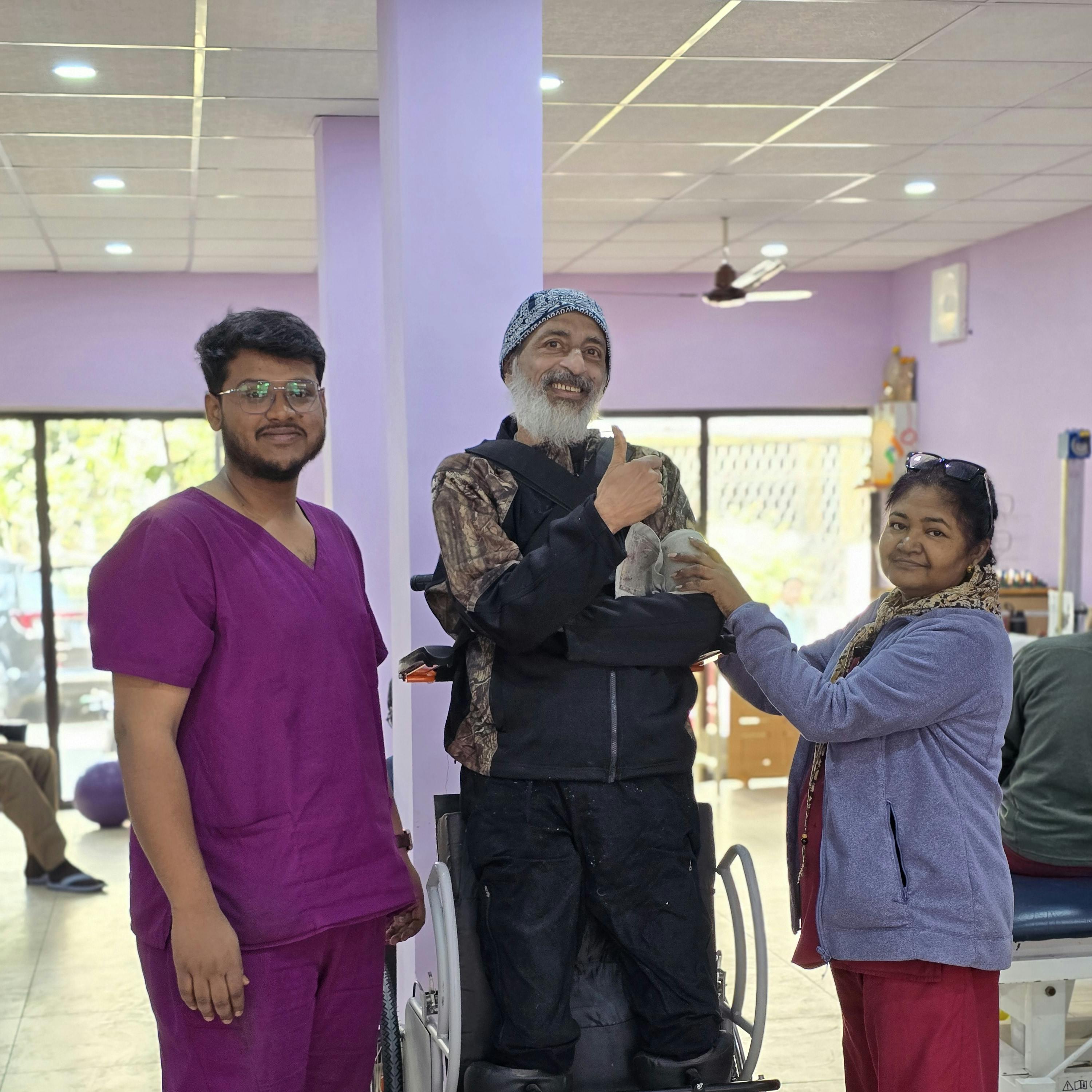
I’ll tell you about a man I once met. He had a spinal cord injury. The first time I saw him, even sitting upright was a struggle. Weeks later, with therapy and a bit of assistive technology, he managed to sit straight and wheel himself forward. That smile on his face? Priceless.
Then there was a schoolteacher, strong and independent, until a stroke left her unable to form a simple sentence. Imagine the pain of not being able to speak to your own students. But rehab gave her tools, speech therapy, occupational therapy, and one day she wrote her name again. Her eyes lit up like she had just climbed a mountain.
And let’s not forget chronic illnesses. A man with COPD once said to me, “I just want to breathe without fear.” Through pulmonary rehabilitation, simple breathing exercises, and training, he found a rhythm. Not a cure, but a way to live better.
So, what is rehabilitation really?
It’s not about the things you lose. It’s about what you can still gain.
It’s not about disability. It’s about rediscovering ability, step by step.
It’s about small victories, a spoon held, a word spoken, a first step taken that slowly rebuilds a life.
If you or your loved one is on this journey, finding the right support matters. A Neuro Rehabilitation Centre in Kolkata can make all the difference, helping individuals move beyond survival, toward living fully again.
Here’s a truth many people don’t realize: saving a life is only half the story.
The bigger challenge starts after the hospital discharge. Families often whisper to doctors:
Rehabilitation may not promise miracles. But it promises progress. Step by step. Day by day.
It’s about:
These sound “small.” But if you ask the person living through it, these are life-changing victories.
And here’s another thing: the increasing need for rehabilitation worldwide is massive.
According to the World Health Organization (WHO), over 2.4 billion people currently live with health conditions that may benefit from rehabilitation. And in low- and middle-income countries, rehabilitation services are largely unmet.
That means families often struggle alone. Which is why awareness is so critical.
Every journey is unique. That’s why there are different types of rehabilitation, each targeting a specific challenge.
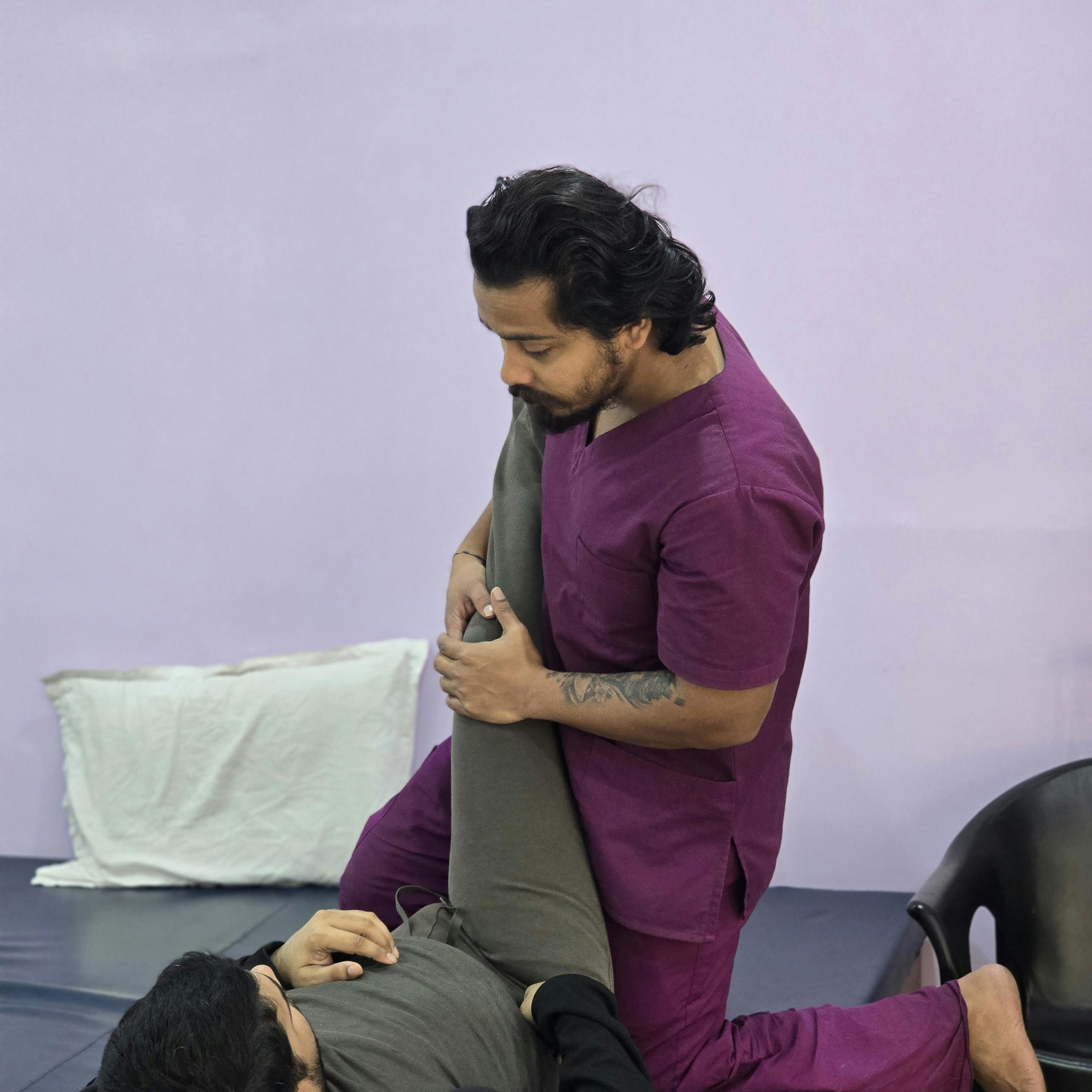
Focuses on improving movement, reducing stiffness, and rebuilding strength after injury or illness. For example, after a fracture or stroke, physiotherapy can help restore mobility.
It’s not about “jobs” but about life. Occupational therapists help people relearn activities of daily living, dressing, cooking, writing, bathing, and things we take for granted until they’re gone.
Helps those with speech or swallowing difficulties. Imagine a mother regaining her ability to call her child’s name after a brain injury; that’s the power of this therapy.
For memory, focus, and problem-solving, especially after traumatic brain injury or stroke.
Supports people recovering from heart attacks or surgery, teaching safe exercises and lifestyle changes.
Designed for those with lung conditions like asthma or COPD, helping them breathe easier and improve stamina.
Helps individuals return to work or studies, even with limitations. Because rehabilitation is not just about the body, but about dignity and purpose.
Helping patients regain strength post-treatment, or at least live comfortably when a cure isn’t possible.
Each programme is tailored. Because the goal of rehabilitation is not just recovery, it’s about reshaping life in a way that feels meaningful again.
Want to know more? Read this blog 👉 Types of Rehabilitation: Which One Actually Works for You
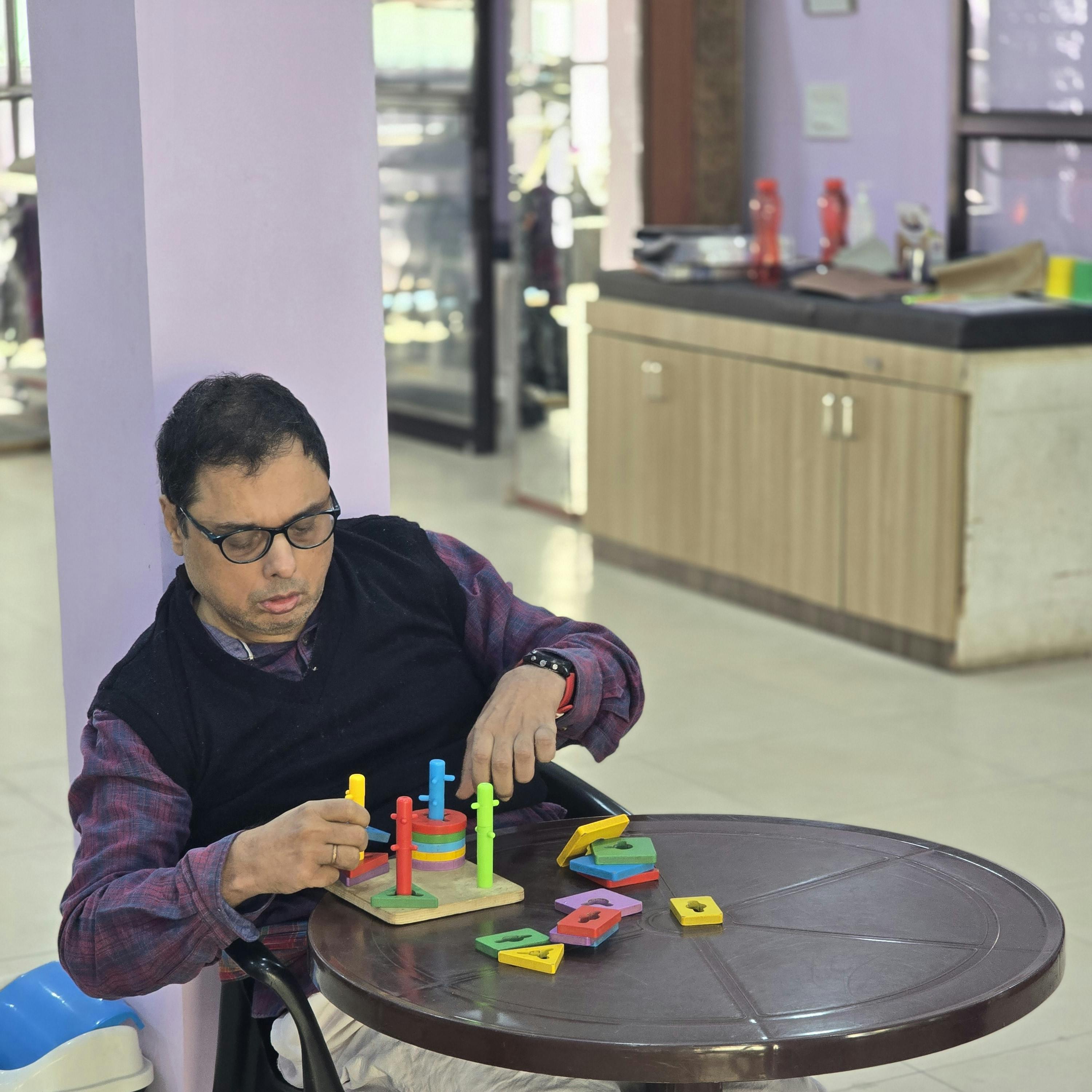
You’d be surprised, it’s not just for accidents or big surgeries. Rehabilitation can help anyone whose health condition interferes with daily living.
In short, anyone may need rehabilitation at some point in life. From acute to chronic conditions, rehabilitation can be beneficial.
So what exactly happens in a rehabilitation programme?
It’s not about one miracle machine. It’s a rehabilitation intervention plan, usually designed by specialists in Physical Medicine & Rehabilitation.
It can include:
Rehabilitation involves interaction between medical experts, technology, and families. It is truly holistic addressing physical, emotional, and social needs.
In fact, if you’re looking for the right guidance, consulting a PMR Doctor in Kolkata (a specialist in Physical Medicine and Rehabilitation) can be the first step. They work closely with therapists, patients, and families to create a personalized plan that restores independence and improves quality of life.
No single person can handle rehabilitation alone. It’s always teamwork.
Together, this rehabilitation alliance ensures the patient doesn’t just survive, but thrives.
So what can rehabilitation actually give?
Simply put rehabilitation helps improve physical, emotional, and social well-being.
The World Health Organization reminds us that rehabilitation is not a luxury. It is part of universal health coverage. Yet, in many low- and middle-income countries, the rehabilitation needs are largely unmet. That’s why centers like Rehabana become so important.
Know more: Rehabilitation vs. Therapy: What’s the Difference & Why It Matters
Rehabilitation outcomes vary. Some people walk again, some don’t. Some return to full-time work, others adjust to new routines. But in every case, rehabilitation can help improve quality of life.
Progress may be slow. Victories may look small. But for someone who couldn’t button their shirt yesterday, being able to do it today is a celebration.
There is enough evidence that rehabilitation reduces disability, improves participation in society, and lowers long-term health care costs. That’s why global health bodies argue it should be part of universal health coverage.
If you’re seeking the right support, choosing a trusted Rehabilitation Center in Kolkata can make all the difference providing expert care, therapies, and guidance to help individuals move forward with dignity and independence.
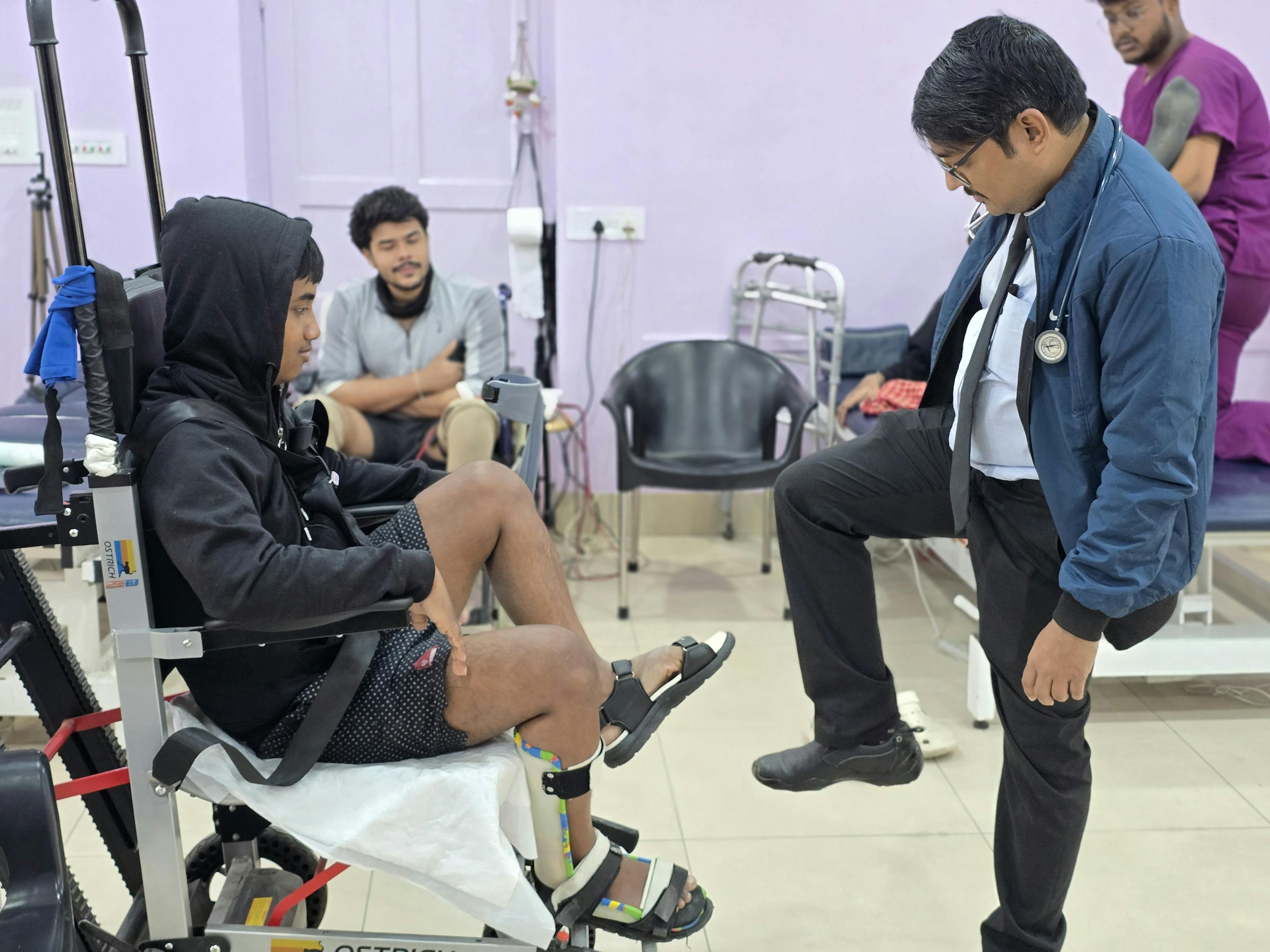
Now let’s talk about where such facilities were almost non-existent. That’s why Rehabana – Neuro Rehabilitation Centre In Kolkata was founded.
Here’s what makes Rehabana different:
From stroke rehabilitation to neurological rehabilitation, from spinal cord injuries to cancer rehabilitation, Rehabana offers hope, progress, and dignity.
Families often tell us, “We thought life was over. But now, our father is laughing again.”
That’s the power of the right rehabilitation programme.
Read more: Role of Rehabilitation Center: Why It Speeds Up Healing More Than You Think
So what is rehabilitation?
It’s not just treatment.
It’s the art of giving people their lives back slowly, patiently, lovingly.
It doesn’t erase illness or injury. But it offers a chance to walk, to speak, to work, to dream again.
Because in the end, rehabilitation is not about machines. It’s about people. About small victories that feel like miracles.
At Rehabana, we believe: Neuro Rehab means Rehabana.
Because every person deserves not just survival, but a life worth living.
Don’t wait for tomorrow. If you or your loved one may benefit from rehabilitation services, let’s start today.
Knowledge That Guides Recovery
Get expert neuro rehabilitation tips from the doctors at Rehabana, Kolkata — simple guidance on stroke recovery, spinal cord injury rehab, Parkinson’s care, and enhancing quality of life after neurological conditions.
Returning to West Bengal after hospital treatment? Continue structured, multidisciplinary Neuro Rehabilitation closer to home with Rehabana.
Read More
Join the Neuro Rehabilitation Support Network, a community initiative convened by Rehabana. Connect with survivors, caregivers and professionals to learn, share and rebuild life together.
Read More
Complete Parkinson's home care guide for families, rehabilitation, safety and daily living.
Read More