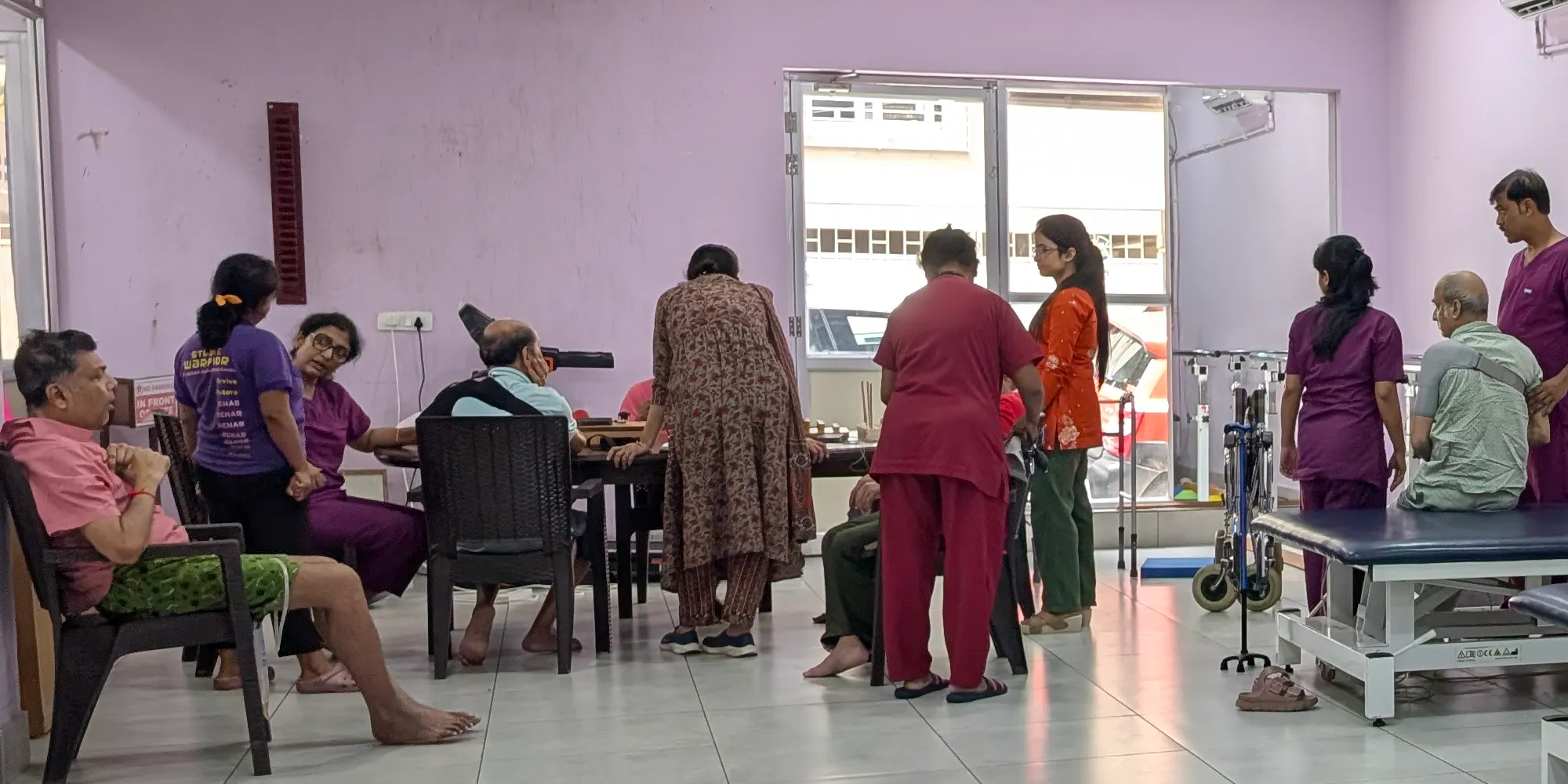
Neuro Rehabilitation in Kolkata After Hospital Discharge
Returning to West Bengal after hospital treatment? Continue structured, multidisciplinary Neuro Rehabilitation closer to home with Rehabana.
Read More
Understand rehab and therapy, how they differ, and when you need each. Doctor-led rehabilitation in Kolkata to help you regain independence.
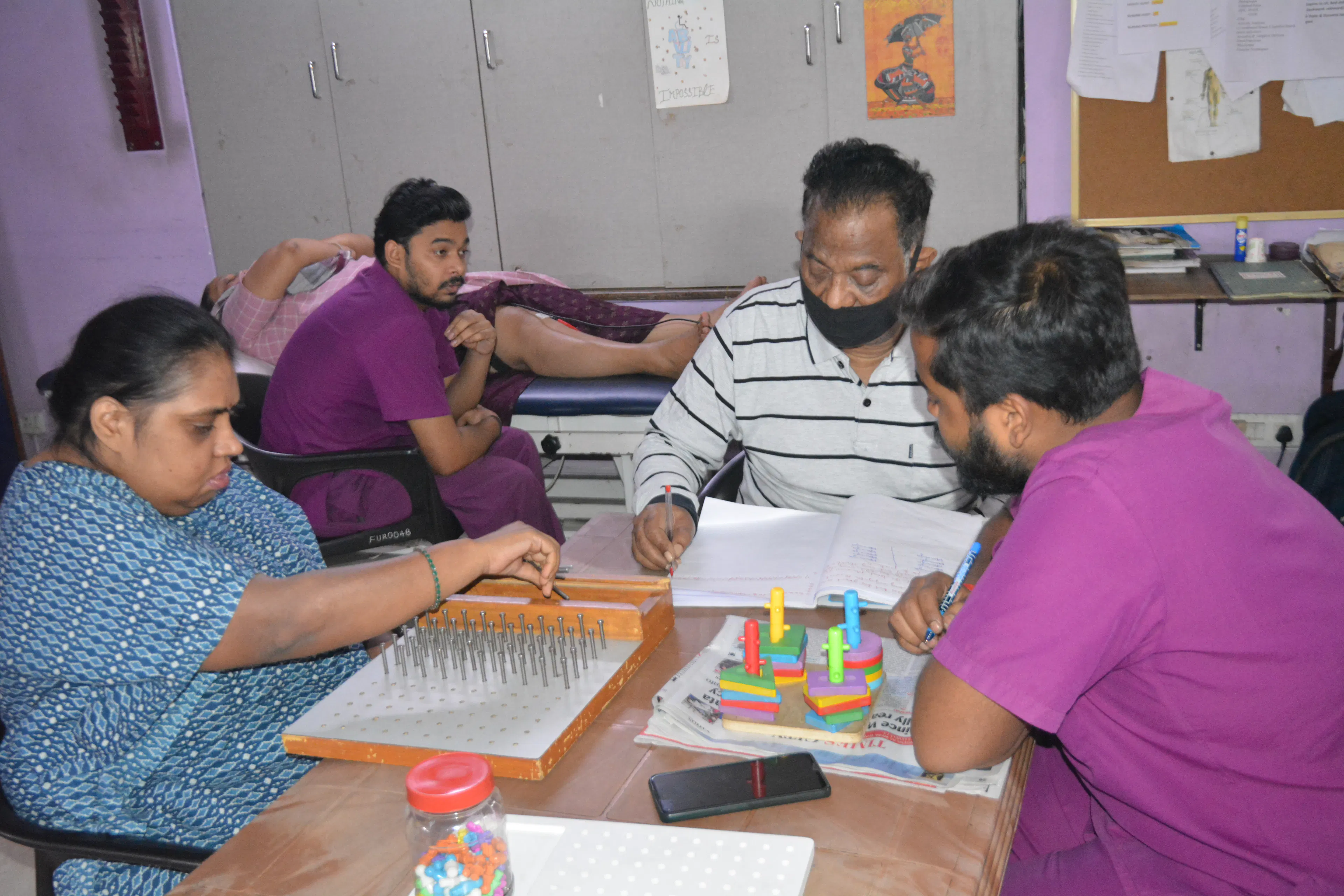
When a loved one experiences a stroke, spinal cord injury, or neurological condition, families often hear two terms - therapy and rehabilitation. They sound alike, don’t they? In truth, they’re quite different.
Think of therapy as a step, and rehabilitation as the journey. Therapy helps you improve strength or speech; rehabilitation helps you walk, talk, and live with confidence again.
At Rehabana – Neuro Rehab Center, Kolkata, we often meet families confused about what kind of care their loved one needs. Our goal is to simplify that - so you can make informed, hopeful decisions about recovery.
Therapy focuses on specific functions that need to be regained after an illness or injury. It’s like fine-tuning the parts of a system to help it work better.
Here are a few examples:
Each therapy targets one specific area of recovery. The sessions are often short-term, focused, and conducted by trained therapists under medical guidance.
But therapy by itself is not the full picture. It improves movement, but not necessarily confidence. It builds physical ability, but may not address emotional healing. That’s where rehabilitation steps in to bring everything together.
Rehabilitation is the complete recovery process that helps you rebuild your life after a major medical condition. It’s guided by MD doctors in Physical Medicine & Rehabilitation, supported by a multi-disciplinary team of specialists.
At Rehabana, rehabilitation means combining medical treatment, therapy, counselling, and technology to help people get back to independent living.
Here’s what that includes:
It’s not just about exercises, it’s about restoring confidence, purpose, and hope.
When a patient smiles after taking their first independent step again, we know rehabilitation is doing its magic.
Recommended: Role of Rehabilitation Center: Why It Speeds Up Healing More Than You Think
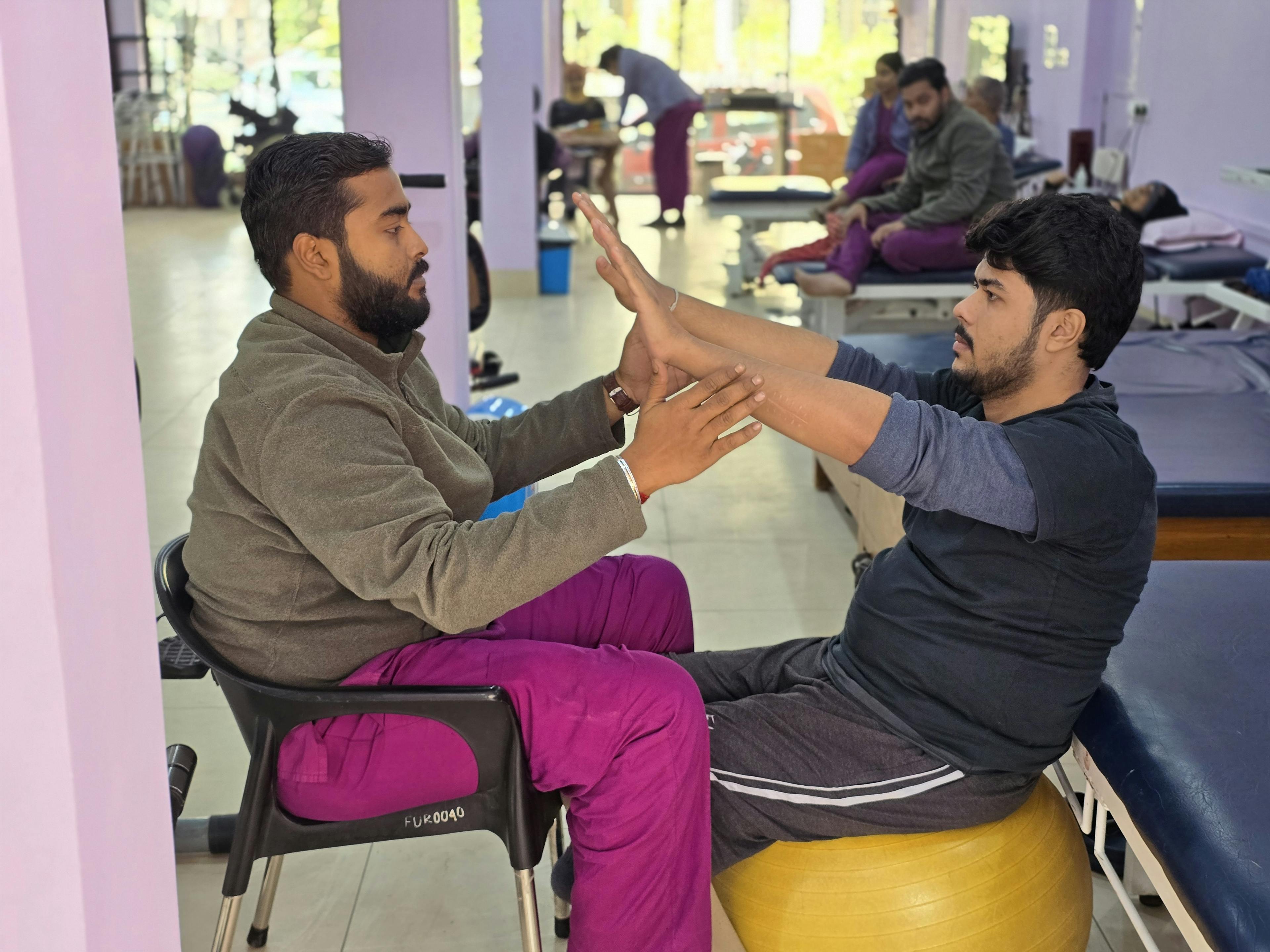
Here’s the difference in simple terms:
Therapy usually focuses on improving one specific skill or function, such as walking, hand movement, or speech, and is typically led by a therapist through short-term, session-based treatment. The goal is to enhance that particular ability using manual techniques or limited equipment. Rehabilitation, on the other hand, looks at the entire person - addressing physical, mental, and emotional recovery together. It is led by a doctor-supervised team, often including a physiatrist, therapists, and nurses. Rehabilitation follows a long-term, stepwise plan that is regularly reviewed (often every couple of weeks), and it uses integrated medical care along with advanced technologies like robotics and automated equipment when needed. While therapy aims for functional improvement in a specific area, rehabilitation aims to help the patient regain independence and return to a productive, meaningful life.
Here’s how we often put it at Rehabana:
“Therapy helps you move your hand. Rehabilitation helps you use that hand to hold your loved one’s hand again.”
That’s the difference that changes lives.
Read This: Physiotherapy and Rehabilitation: Here’s the Real Difference
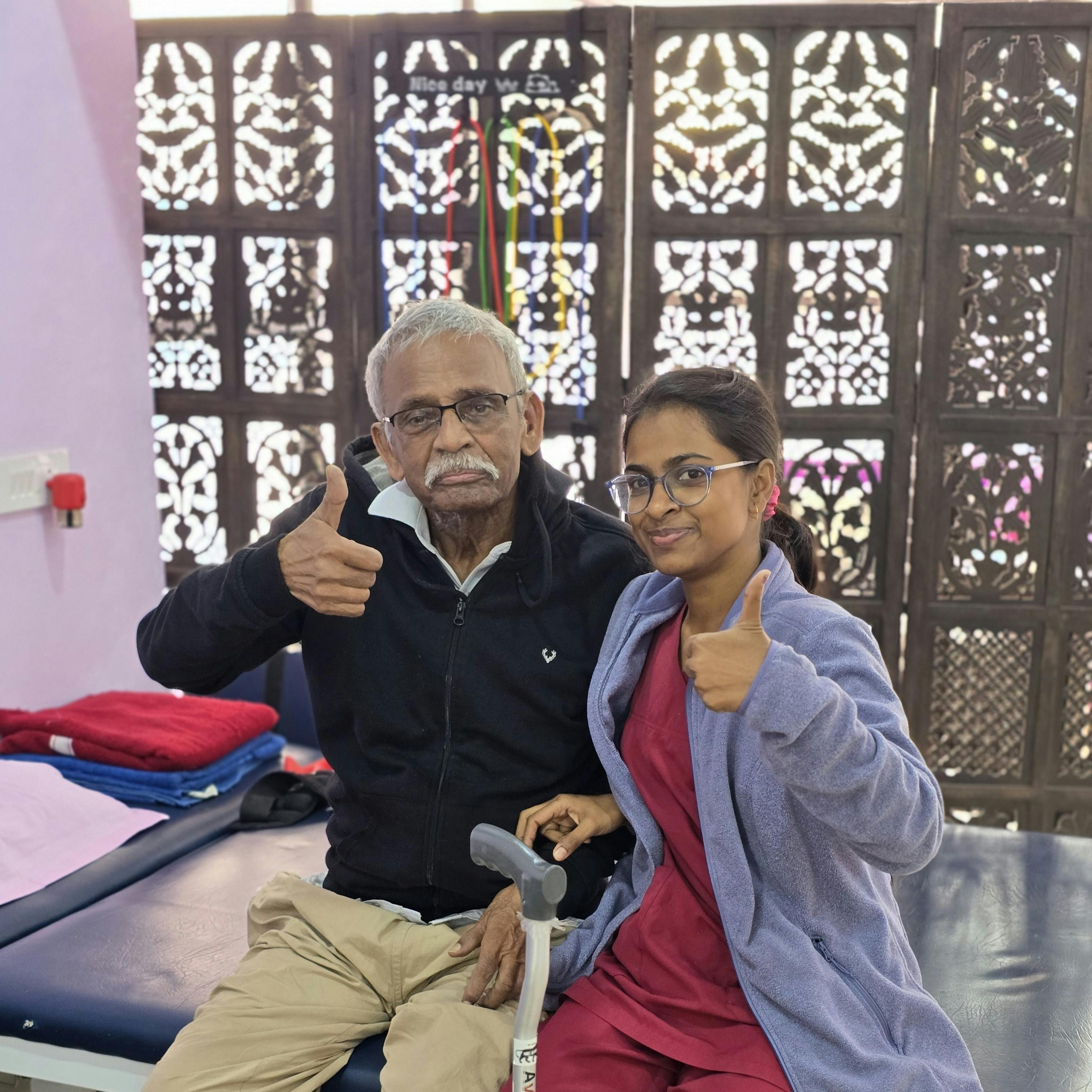
Rehabilitation is usually needed when a condition affects your overall ability to live independently.
For example:
Rehabilitation bridges the gap between the hospital and home. It’s the difference between just surviving and living with confidence.
At Rehabana, we take pride in being East India’s first dedicated Rehab Center in kolkata giving patients access to advanced machines, robotics, and a team that truly cares.
Therapy is more suitable for focused, short-term goals or less complex conditions.
You might need therapy if:
Therapy works best when the person is already medically stable and needs support with one or two specific abilities.
In many cases, therapy continues after rehabilitation, helping patients maintain their progress and strength.
Choosing between therapy and rehabilitation can feel confusing but here’s a simple way to think about it:
At Rehabana, we guide every family through this decision. Our goal is simple: to offer the right level of care at the right time with compassion and transparency.
Know more: Physiotherapy in Kolkata: 5 Cutting-Edge Techniques
The words “therapy” and “rehabilitation” may sound similar, but their meanings and impact are worlds apart.
Therapy builds strength and skills.
Rehabilitation rebuilds confidence, independence, and life itself.
At Rehabana – Rehabilitation Center Kolkata, our doctor-led team combines medical expertise, advanced technology, and human care to help patients recover step by step not just physically, but emotionally too.
Because at the end of the day, healing isn’t just about moving your body. It’s about moving forward with life.
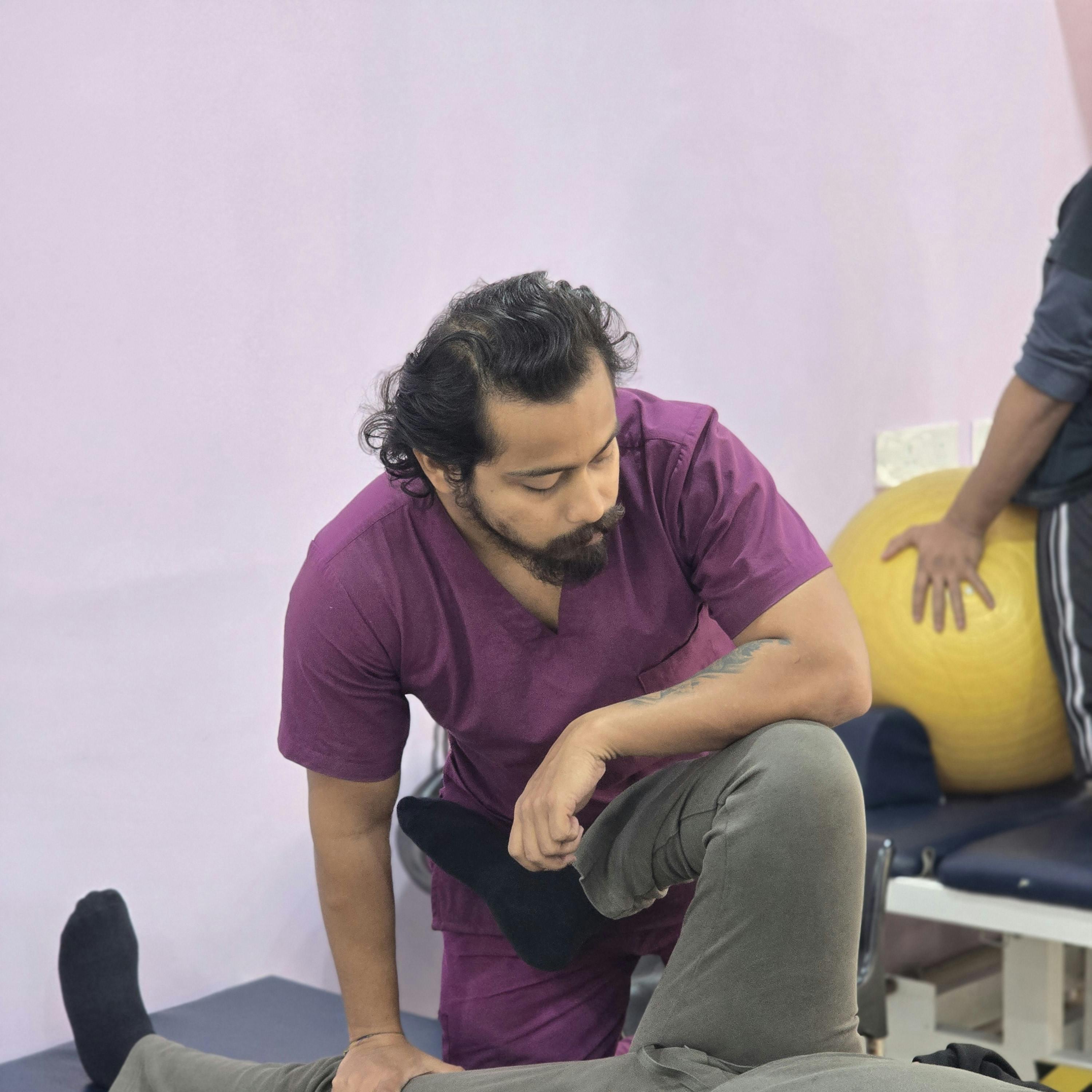
Let us guide you with a structured, doctor-led rehabilitation plan tailored to your loved one’s needs.
Knowledge That Guides Recovery
Get expert neuro rehabilitation tips from the doctors at Rehabana, Kolkata — simple guidance on stroke recovery, spinal cord injury rehab, Parkinson’s care, and enhancing quality of life after neurological conditions.
Returning to West Bengal after hospital treatment? Continue structured, multidisciplinary Neuro Rehabilitation closer to home with Rehabana.
Read More
Join the Neuro Rehabilitation Support Network, a community initiative convened by Rehabana. Connect with survivors, caregivers and professionals to learn, share and rebuild life together.
Read More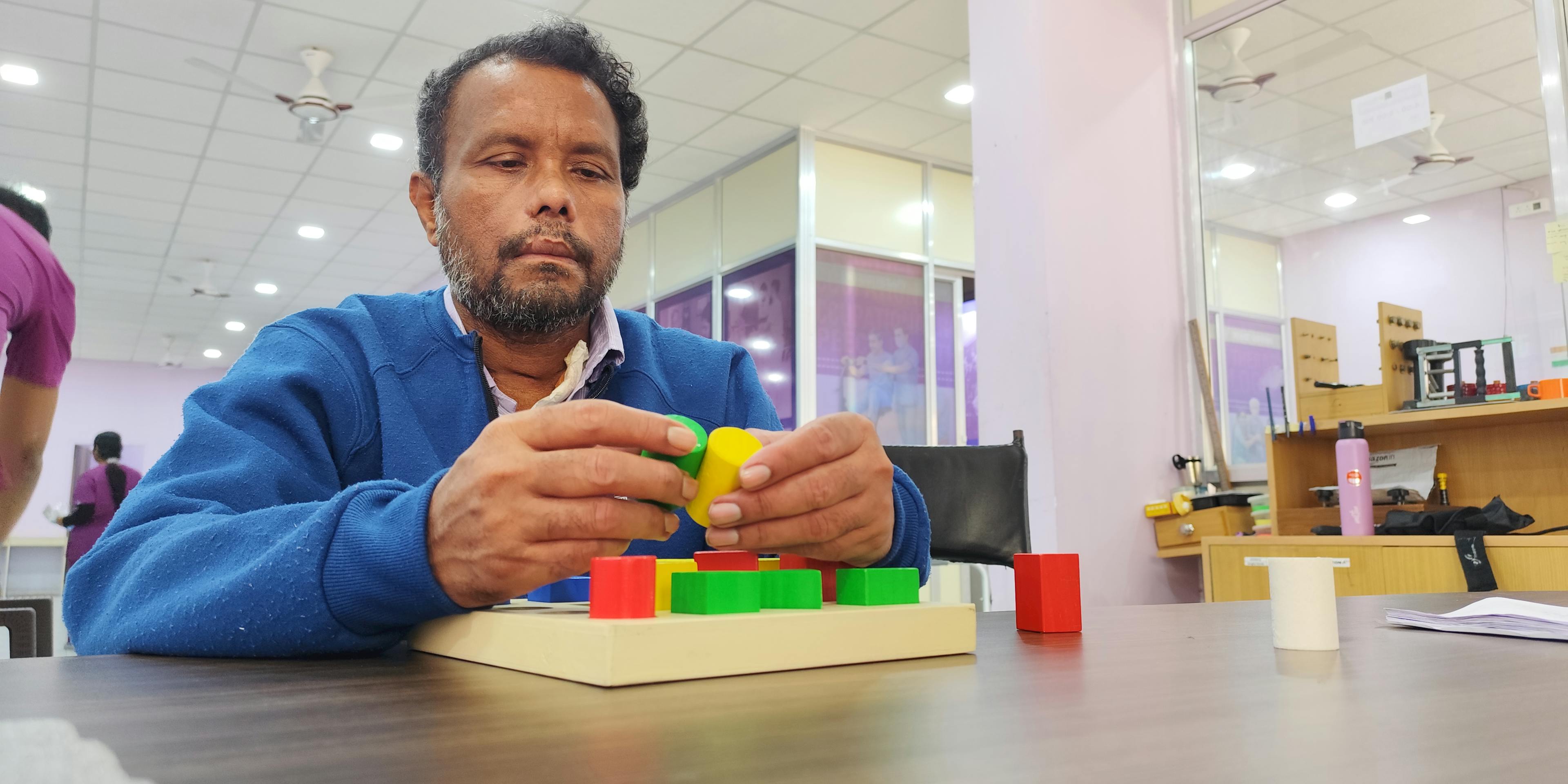
Complete Parkinson's home care guide for families, rehabilitation, safety and daily living.
Read More