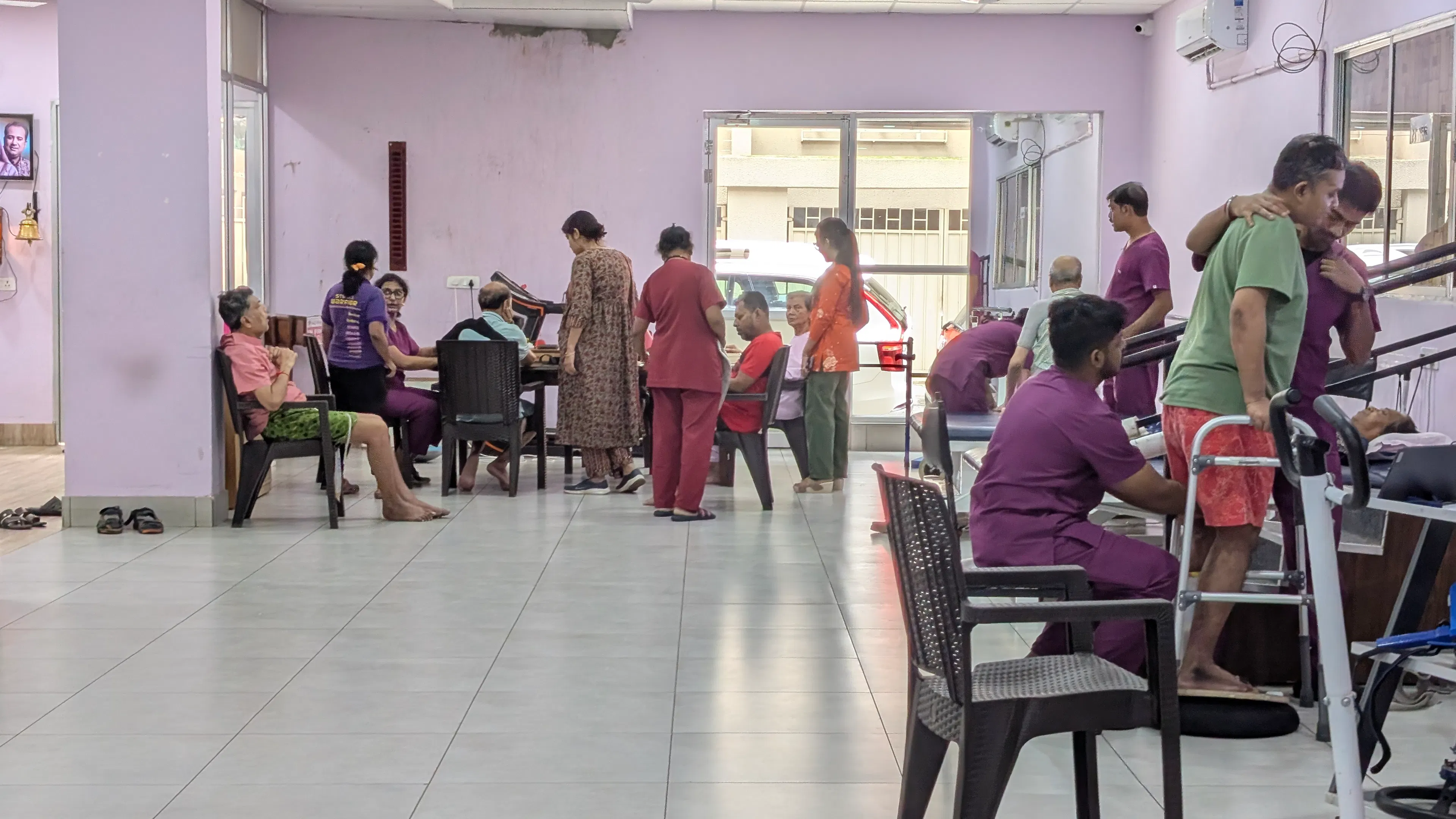
An overview of Parkinson's treatment: levodopa and other medicines, deep brain stimulation, rehabilitation, and new research including work from India.

Overview
There is no cure for Parkinson's disease yet, and no treatment has been proven to stop it getting worse. But treatment can control symptoms well, often for many years, and help people stay active and independent.
Care usually combines three things: medicines to replace or boost dopamine, rehabilitation to keep movement, speech and daily skills working, and, for some people later on, procedures such as deep brain stimulation. The right plan depends on your age, symptoms, other health problems and what matters to you. Your neurologist leads the medical side, and plans need reviewing as things change.

Medicines
Levodopa, usually combined with carbidopa, is the most effective medicine for Parkinson's movement symptoms. The brain turns it into dopamine. Other groups of medicines include dopamine agonists, which act like dopamine, and drugs that slow the breakdown of dopamine (MAO-B and COMT inhibitors). Amantadine is sometimes used for involuntary movements.
Over the years, many people notice that a dose wears off before the next one is due. Symptoms return in an 'off' period, then improve again in an 'on' period. Some develop extra, wriggling movements called dyskinesia. A neurologist can often help by adjusting doses and timing.
Take Parkinson's medicines at the same times every day, and never stop them suddenly, which can be dangerous. Protein-rich meals can affect how well levodopa works in some people, so ask your doctor about timing doses around meals.
Procedures and research
Deep brain stimulation (DBS) involves placing thin wires in specific areas of the brain, connected to a device like a pacemaker in the chest. It can reduce tremor, 'off' periods and dyskinesia in carefully selected people, usually those who still respond to levodopa but have troublesome fluctuations. It is not a cure, and it doesn't help every symptom, such as balance or memory.
Focused ultrasound uses sound waves, guided by MRI, to treat a small spot in the brain without a cut. It is mainly used for a severe tremor on one side and is available at a limited number of centres.
Research is active, including into treatments that might slow the disease, gene-based approaches and cell therapies, with work happening in India as well as abroad. Stem cell treatments for Parkinson's are still experimental. Be cautious of clinics offering them for a fee outside of a proper clinical trial. For more on research into newer approaches, read about new treatments for Parkinson's emerging in India.

Rehabilitation
Medicines help many symptoms, but some problems respond poorly to them, especially balance, freezing, posture, speech and swallowing. These are the areas where rehabilitation does much of its work.
Physiotherapy and exercise help walking, balance and fitness. Occupational therapy keeps daily tasks manageable. Speech and language therapy helps voice and swallowing. Psychology supports mood and coping. Professional guidelines recommend that people with Parkinson's are offered these therapies, ideally early.
At Rehabana, we time therapy sessions for when your medicines are working well, so you can practise at your best. We also share what we observe, such as when 'off' periods happen, with your neurologist to help fine-tune treatment.

Appointments
Appointments can feel short, and it is easy to forget what you meant to ask. Writing your questions down beforehand, and bringing a family member to take notes, helps you get the most from each visit.
Bring a list of all your medicines, including the exact times you take them, and any vitamins or other remedies. If you keep a symptom diary of good and bad times through the day, bring that too. It gives the doctor far more useful information than a description from memory.
You don't need to ask everything at once. Choose the two or three questions that matter most right now, and save the rest for next time. And remember that rehabilitation teams can help between appointments: at Rehabana, we can share our observations about movement, falls and daily function with your neurologist, with your permission.
FAQs
Standard medicines, deep brain stimulation and, at some centres, focused ultrasound are available in India. Many newer treatments are still in research. Ask your neurologist which options suit you, and combine any treatment with rehabilitation.
Next steps
Book an assessment at Rehabana in Salt Lake or Kalighat, Kolkata. Our doctor-led team works alongside your neurologist to help you move, speak and live better.