How the 18-item FIM assessment shows how much help a person needs with daily activities, and how Rehabana uses it to track rehabilitation progress.

Independence assessment
The Functional Independence Measure (FIM) is an assessment tool used to understand how much help a person needs to perform everyday activities such as eating, grooming and dressing. It helps the multidisciplinary team assess a patient's ability to manage daily life, such as bathing, transfers, walking, using the toilet and communicating with others.
FIM also helps track changes in a patient's functional abilities during rehabilitation.

Why it matters
After a stroke, brain injury, spinal cord injury or other neurological condition, a person may find everyday activities difficult.
FIM helps identify how independently a person can perform these activities and where additional support is required.
It also helps the rehabilitation team set practical goals based on the patient's current abilities.
For example:
What is assessed
FIM assesses 18 activities, divided into two main categories: motor activities (13 items) and cognitive activities (5 items).
Together, these activities provide an overview of how much assistance a person needs in daily life.

Motor activities
Motor activities are any movement of the body or body parts.
These activities help assess physical independence:

Cognitive activities
Cognitive activities relate to the brain's ability to think, understand and solve problems.
These activities help assess a person's ability to manage communication and everyday interactions:
Understanding the score
Each of the 18 activities is scored on a scale from 1 to 7.
Total score
The total FIM score ranges from 18 to 126.
A higher score generally indicates greater independence. A lower score indicates that the person needs more assistance with daily activities.
The score should always be interpreted alongside the individual activity scores. Two patients with the same total score may have very different functional abilities.

During rehabilitation
FIM helps the rehabilitation team understand a patient's initial functional condition and identify areas that need improvement.
For example, consider a patient recovering from a stroke:
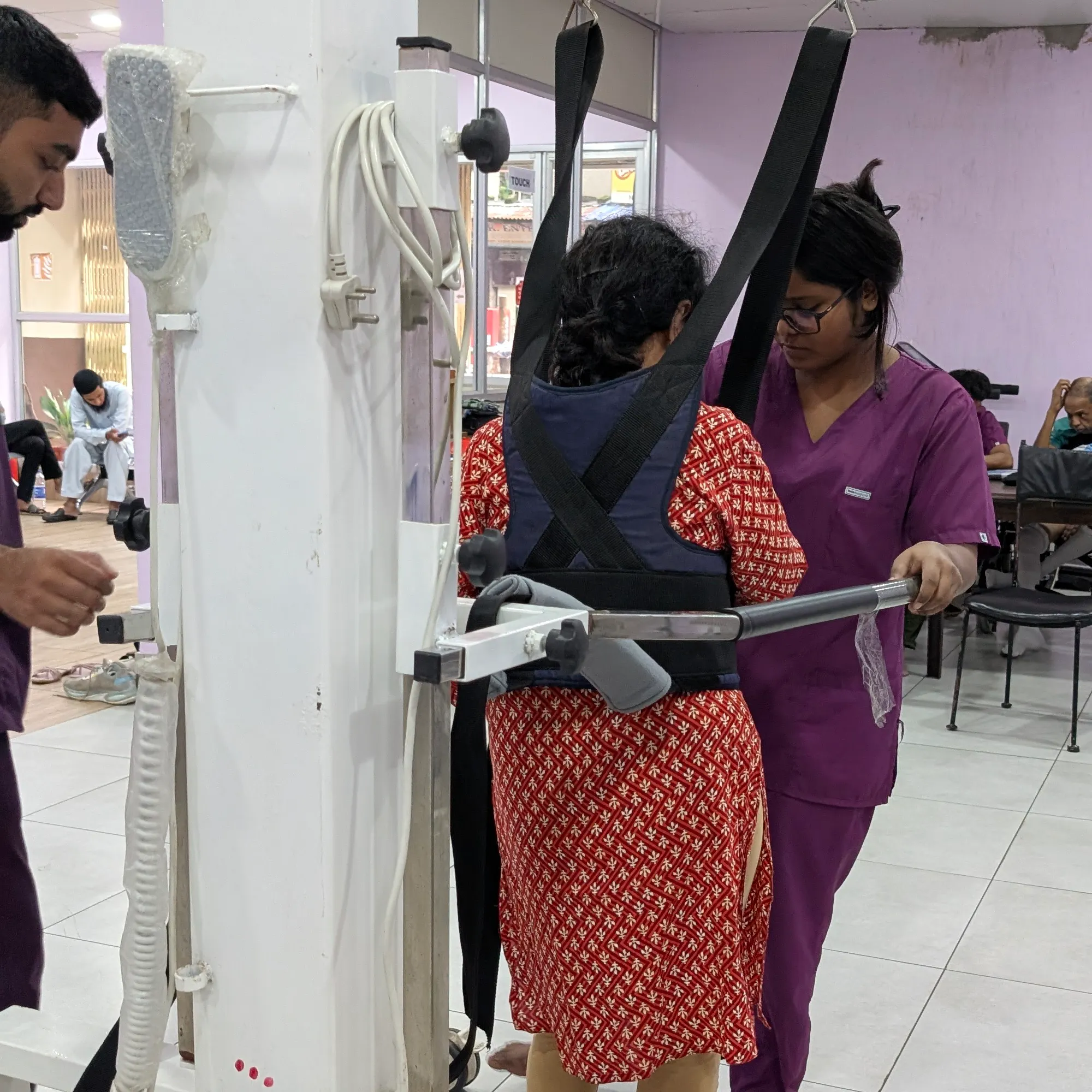
Initially, the patient may need assistance or an assistive device for dressing, bathing, transfers and walking.
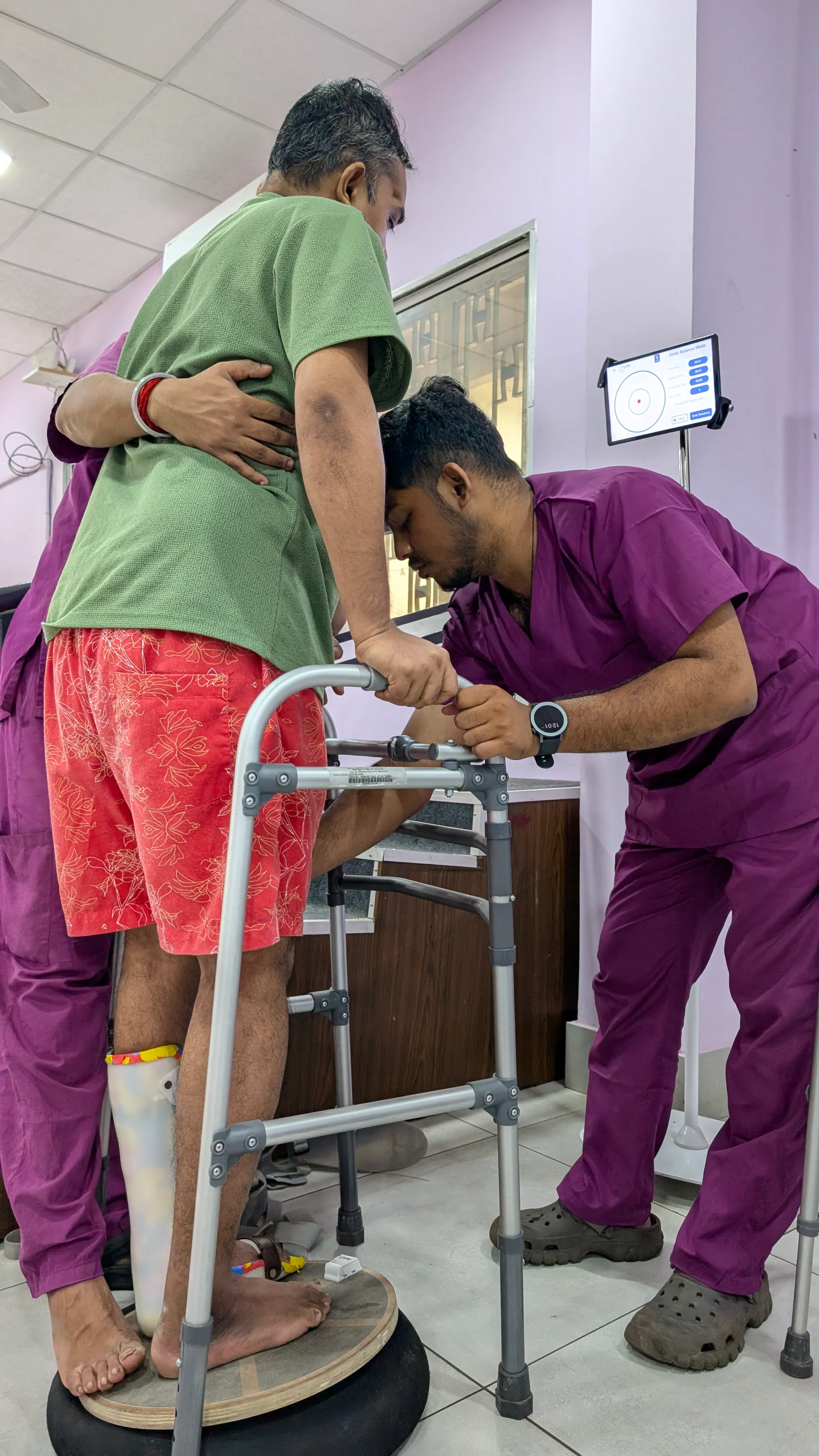
With rehabilitation, the patient may gradually improve sitting balance, standing ability and movement.
As functional abilities improve, the patient may require less assistance with daily activities.
Real progress
A patient's FIM score improved from 58/126 on 30 June 2026 to 99/126 on 7 November 2026, a 41-point gain. Motor scores increased from 24/91 to 64/91; cognitive scores improved from 34/35 to 35/35. Gains occurred in self-care, continence management, transfers and mobility. Minimal assistance remains necessary for bathing, dressing, toilet/shower transfers and stairs. Supervision remains necessary for grooming, toileting, bed/chair transfers and locomotion. Continued rehabilitation should focus on reducing these assistance requirements and promoting safe independence.
By repeating the assessment at appropriate intervals, the team can compare the patient's functional status and understand whether rehabilitation goals are being achieved.

Monitoring progress
At Rehabana, understanding a patient's functional ability is an important part of rehabilitation planning.
The rehabilitation team uses functional assessments to understand what a patient can do independently and where assistance is still required.
Based on the assessment findings:
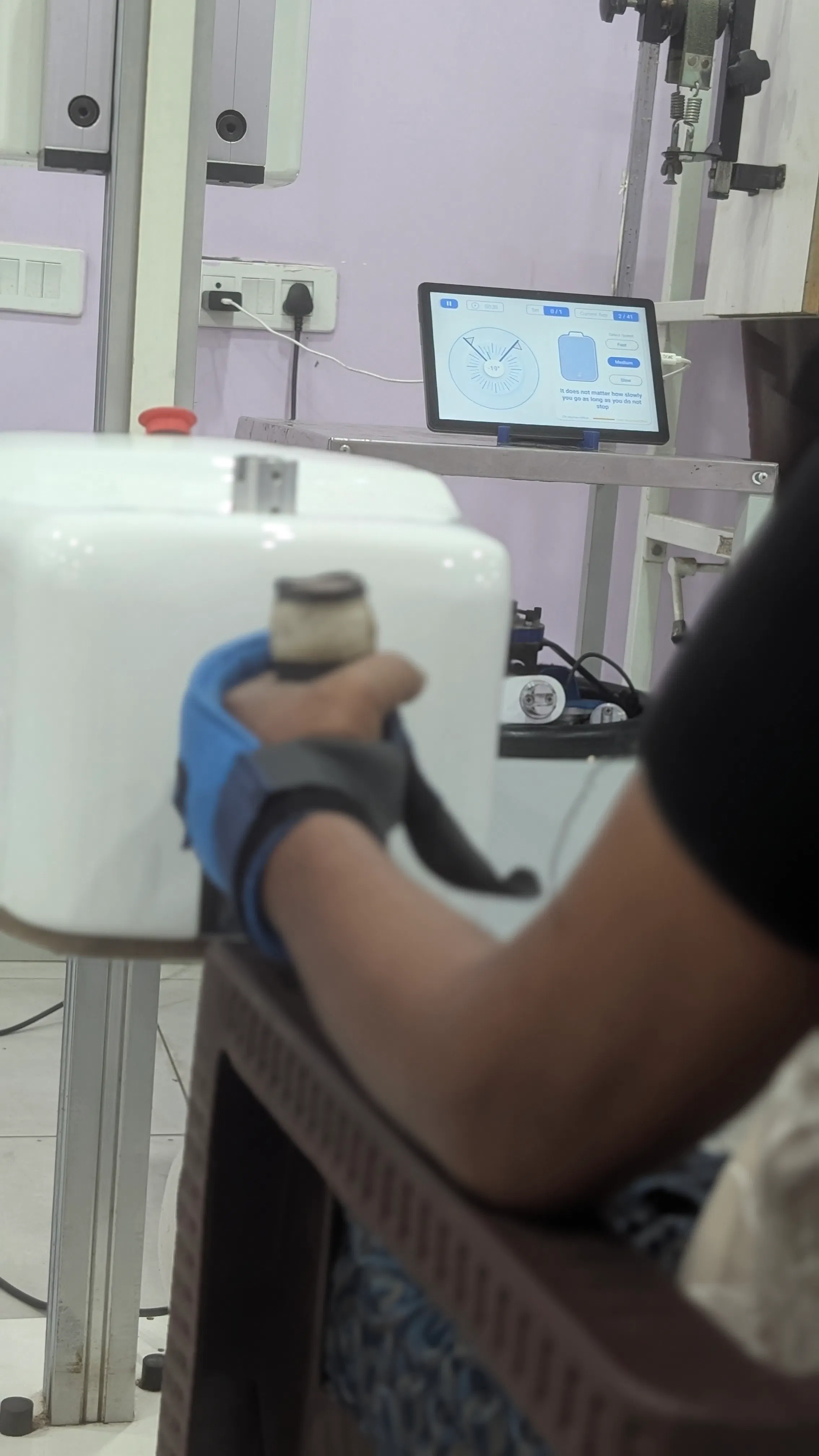
Occupational Therapy (OT): focuses on improving independence in daily activities such as eating, dressing, grooming and toileting.
Physiotherapy (PT): works on strength, balance, transfers, standing and walking abilities.
PM&R Doctor: reviews the patient's overall medical and functional condition and guides the rehabilitation plan.
Speech Therapy and Psychotherapy: address communication, swallowing, cognitive and emotional difficulties when required.
The team reviews the patient's functional progress and adjusts rehabilitation goals according to their abilities and challenges.
Our focus is not only on improving assessment scores but also on helping patients become more independent in their everyday lives.

Beyond the score
A higher FIM score indicates that a patient can perform certain daily activities with less assistance during the assessment. However, it does not always mean that the patient can perform the same activities independently in their home environment.
For example, a patient may be able to walk, transfer from a bed to a chair or perform daily activities at Rehabana with supervision, therapist guidance or assistive devices. However, when they return home, they may face difficulties performing the same activities due to differences in the home environment, lack of support, fear of falling or difficulty managing without the available rehabilitation facilities.
Sometimes, families also notice a difference between the patient's performance at the rehabilitation centre and their actual abilities at home. This may lead to questions such as, "Why is the FIM score higher at Rehabana when the patient still needs assistance at home?"
This is why a FIM score should not be considered the only measure of a patient's independence or recovery. It is important to understand the level of assistance, supervision and assistive devices required during each activity, along with the patient's ability to perform those activities in their home environment.
At Rehabana, FIM reports are used to show functional progress during rehabilitation, identify remaining difficulties and guide further treatment goals. Our focus is not only on improving assessment scores but also on helping patients apply their improved abilities to real-life activities at home.
Book an Assessment
Our doctor-led team uses FIM and other assessments to set practical goals and review progress at our Salt Lake and Kalighat centres in Kolkata.