Neuro Rehabilitation in Kolkata After Hospital Discharge
Returning to West Bengal after hospital treatment? Continue structured, multidisciplinary Neuro Rehabilitation closer to home with Rehabana.
Read MoreStroke recovery can feel overwhelming for every stroke patient and the family trying to do everything right. At Rehabana, we’ve seen that avoiding a few common stroke recovery mistakes can improve rehabilitation outcomes and help people recover more safely and confidently.
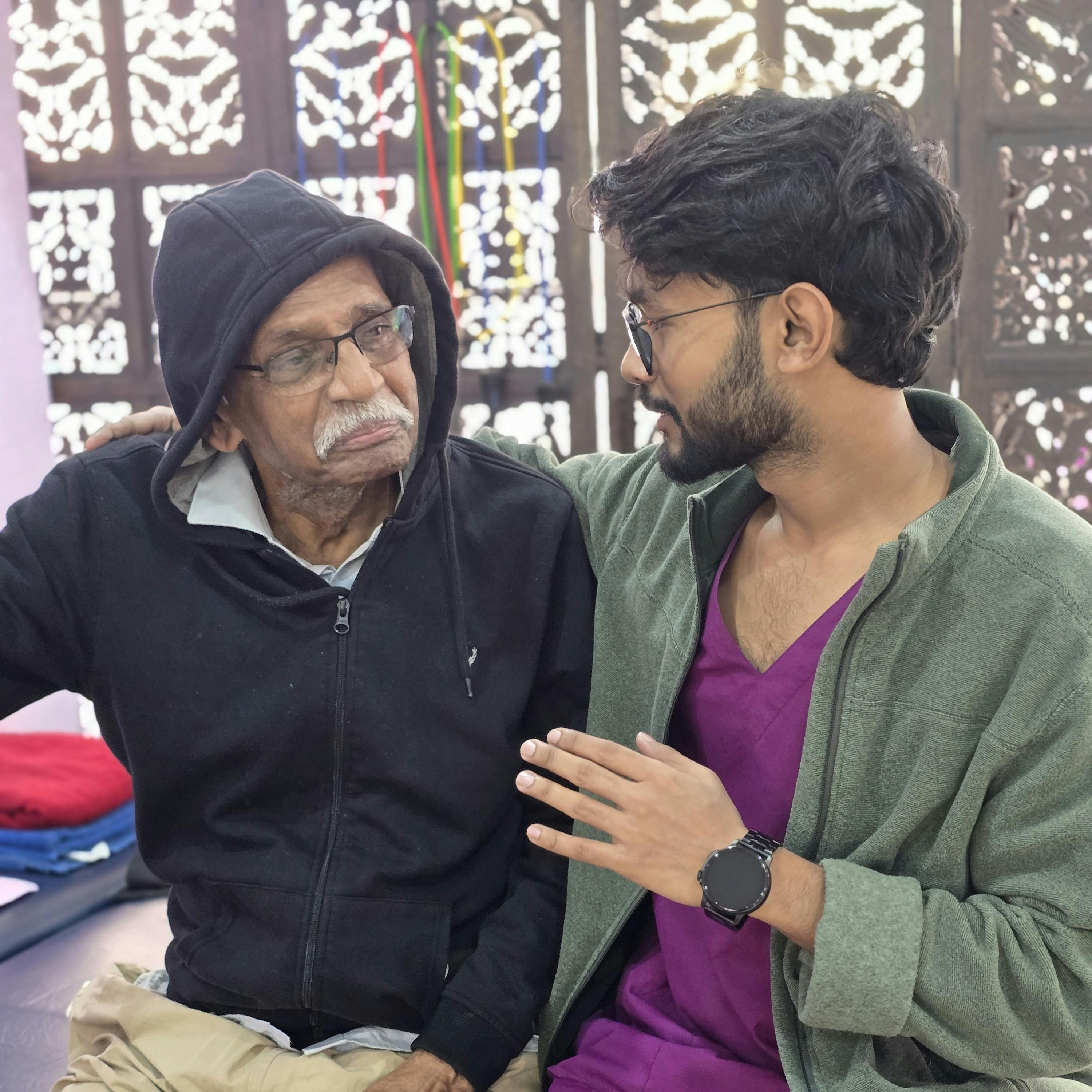
If you’re caring for someone after a stroke or if you’re the one recovering let us say this gently: you’re already doing something brave. Recovery after stroke can feel confusing at the start. People tell you ten different things. Someone says “rest,” someone says “exercise,” someone says “it will be fine,” someone says “it will never be the same.” And you’re left wondering what to believe.
At Rehabana, we meet families right at this stage often after an acute stroke, sometimes after the first stroke, and sometimes after a recurrent stroke or second stroke, when families are even more anxious about the risk of another stroke. They want hope, but they also want clarity.
And here’s what we’ve learned: people recovering from a stroke don’t “fail” because they don’t try. They often struggle because they try very hard… but in the wrong direction. These are the mistakes to avoid, especially within the first year, when rehabilitation and secondary stroke prevention matter so much.
If you take one thing from this article, let it be this: you don’t need perfect recovery you need consistent, guided stroke rehabilitation with the right rehabilitation team.
One of the biggest common mistakes is delaying stroke rehab because families think, “Let’s wait until they get stronger.” We understand why. Many stroke patients feel weak and tired, and families worry that therapy may be too much.
But the brain learns best early. Early rehabilitation can begin within 24 hours of stroke onset (or within 24 hours of stroke) in many medically stable cases, especially in a well-managed stroke unit or hospital stroke setting. Of course, this depends on the person’s stroke severity and doctor clearance – but waiting too long can slow functional recovery.
Delays can lead to:
What to do instead:
Start post-stroke rehabilitation as soon as it is medically safe. Even simple positioning, sitting balance, swallowing screening, and gentle movement can be part of the rehabilitation process.
Many families believe stroke rehab equals physiotherapy only. Physiotherapy is essential, yes – but stroke care is bigger than walking.
Stroke can affect:
That’s why the best rehabilitation program is team-based. At Rehabana, we follow a rehabilitation medicine approach guided by physical medicine and rehabilitation doctors, along with:
What to do instead:
Ask for a complete plan – especially if you’re considering a rehabilitation facility, rehabilitation clinics, or rehabilitation setting after discharge.
This is one of the most common stroke recovery mistakes we see. Families want to help the stroke patient, so they follow online routines and do intensive exercises without guidance.
But after stroke, the body may have:
Overdoing exercises can lead to:
What to do instead:
Follow therapist-guided exercises that match the person’s deficits after stroke. Intensive rehabilitation is helpful when it is planned correctly – not when it is forced too early.
Know more: Stroke Rehab in Kolkata: First 90 Days Recovery Guide
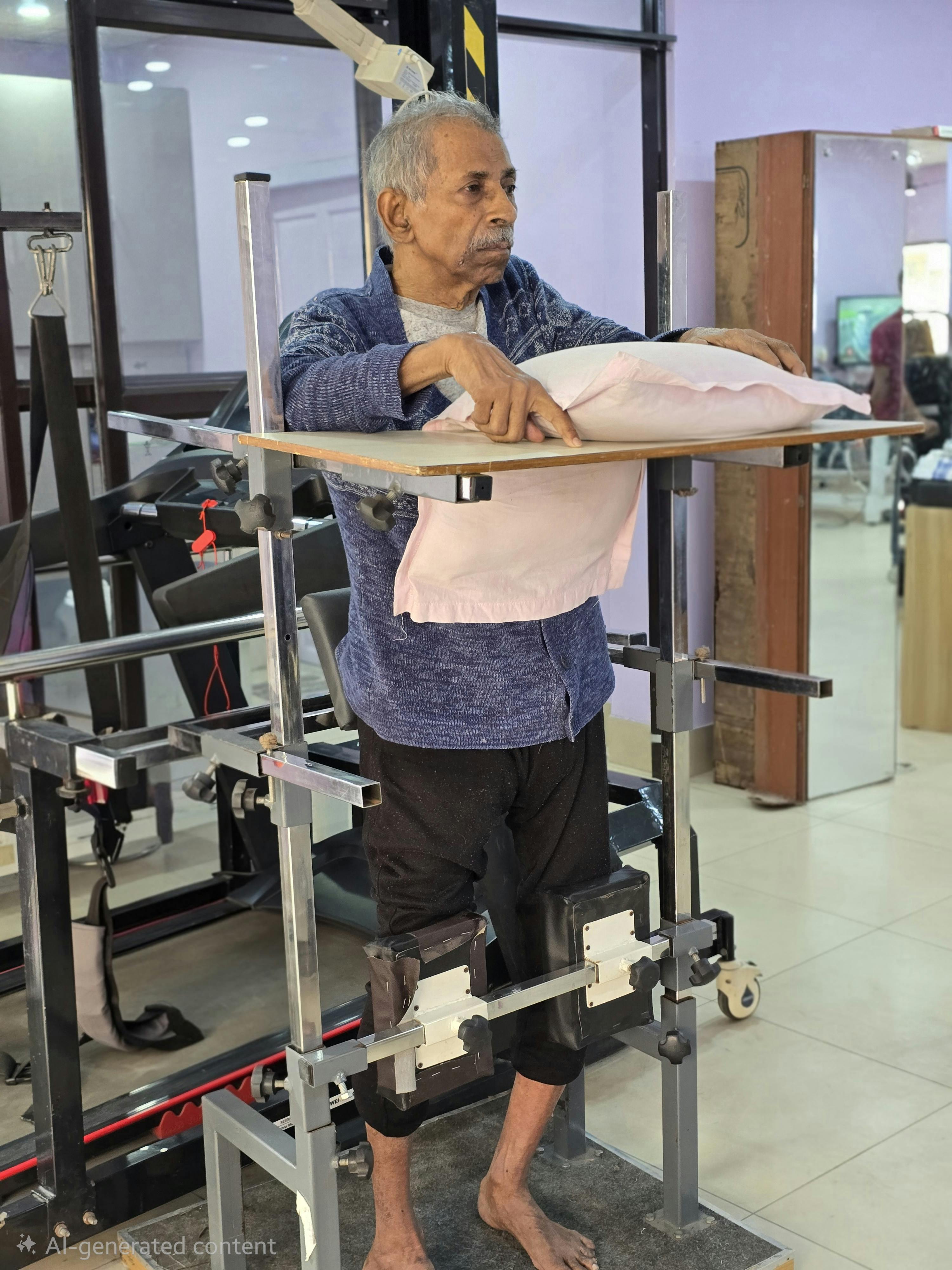
Walking is important – no doubt. But many stroke survivors tell us later, “I can walk, but I can’t use my hand – and that ruined my independence.”
Hand recovery is vital for:
If the upper limb is ignored, stiffness and learned non-use can set in.
What to do instead:
Start hand and upper-limb training early through OT and functional practice. The rehabilitation team helps connect movement with daily tasks – not just exercise.
This mistake can be dangerous. After stroke, swallowing difficulty is common, especially following a stroke that affects brain areas controlling throat muscles.
Swallowing issues can lead to:
Speech and language issues affect:
What to do instead:
Get speech and swallowing assessed early as part of stroke rehabilitation. It’s a key aspect of postacute rehabilitation and can help you recover safely.
Spasticity often appears weeks after stroke. Families describe it as:
If not managed, spasticity can cause:
What to do instead:
Follow a spasticity plan – stretching, positioning, splints, and sometimes medical treatment. Good pressure management in stroke and proper positioning prevents complications.
Must read: Multidisciplinary Stroke Rehabilitation India: A New Hope
Rest is important – but too much bed rest increases risks:
What to do instead:
Encourage safe sitting, standing, and movement as per guidelines. Rehabilitation can help rebuild tolerance steadily.
Stroke recovery isn’t just about “exercise sessions.” It’s about daily independence – dressing, bathing, eating, toilet transfers, walking in real environments.
A good rehabilitation program includes:
What to do instead:
Occupational therapy supports functional recovery and helps families learn how to care for stroke in a way that builds independence.
Families do this out of love. But doing everything can slow progress and reduce confidence.
What to do instead:
Let them try – safely. Encourage effort. Support the attempt. Progress is part of recovery.
Mood changes are common after a stroke. This affects motivation and rehab outcomes.
What to do instead:
Treat emotional recovery as part of stroke rehabilitation. Counseling and support matter – especially for long-term stroke recovery.
Families ask, “How many months after a stroke will they recover?” We understand. But every stroke is different. Recovery depends on:
Doctors may use the National Institutes of Health Stroke Scale (NIHSS) – also called the Institutes of Health Stroke Scale – to describe severity early on. But it still can’t predict everything.
What to do instead:
Focus on recovery goals and progress, not a deadline.
Mistake #12: Stopping Rehab Too Early Because “Progress Slowed”
Stroke recovery often slows after the early phase, but improvement can continue for months – and sometimes throughout the first year.
Stopping rehab early increases regression risk.
What to do instead:
Adjust the plan. Continue therapy. Even maintenance therapy helps.
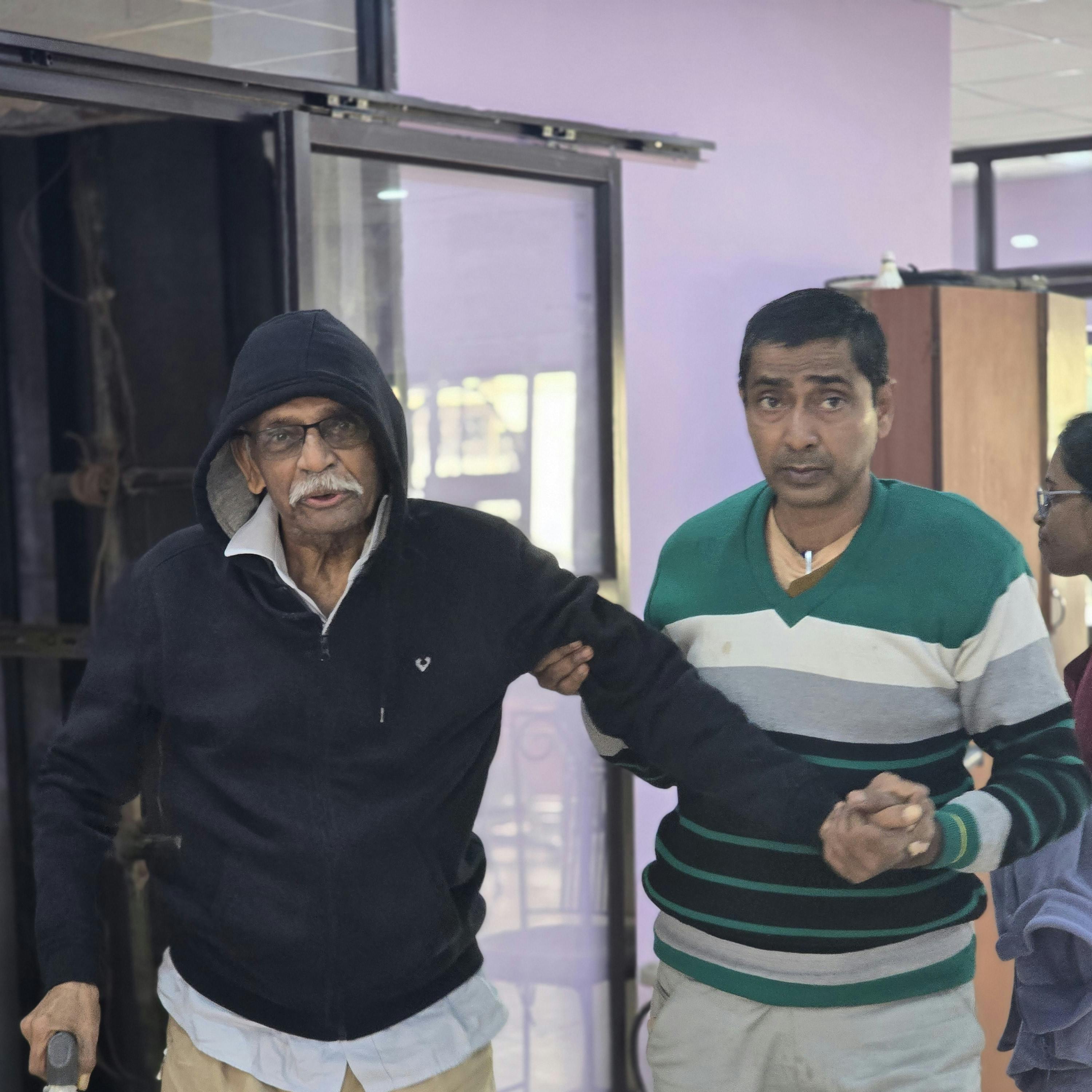
Here’s what we recommend:
This also supports secondary stroke prevention and helps reduce the risk of recurrent stroke.
At Rehabana, our stroke rehabilitation is:
Whether families choose inpatient rehabilitation, inpatient stroke rehabilitation, postacute rehabilitation, or outpatient rehab – our job is to guide them safely, with clarity.
Recover from a stroke is not easy. But it doesn’t have to be chaotic. Avoiding these mistakes people make can lead to more successful stroke recovery.
With the right stroke rehabilitation, the right team, and patient family support, many stroke patients improve function, confidence, and quality of life. People recover sometimes slowly, sometimes steadily but progress is possible.
If you or a loved one needs structured, doctor-led stroke rehabilitation in Kolkata, we’re here to help.
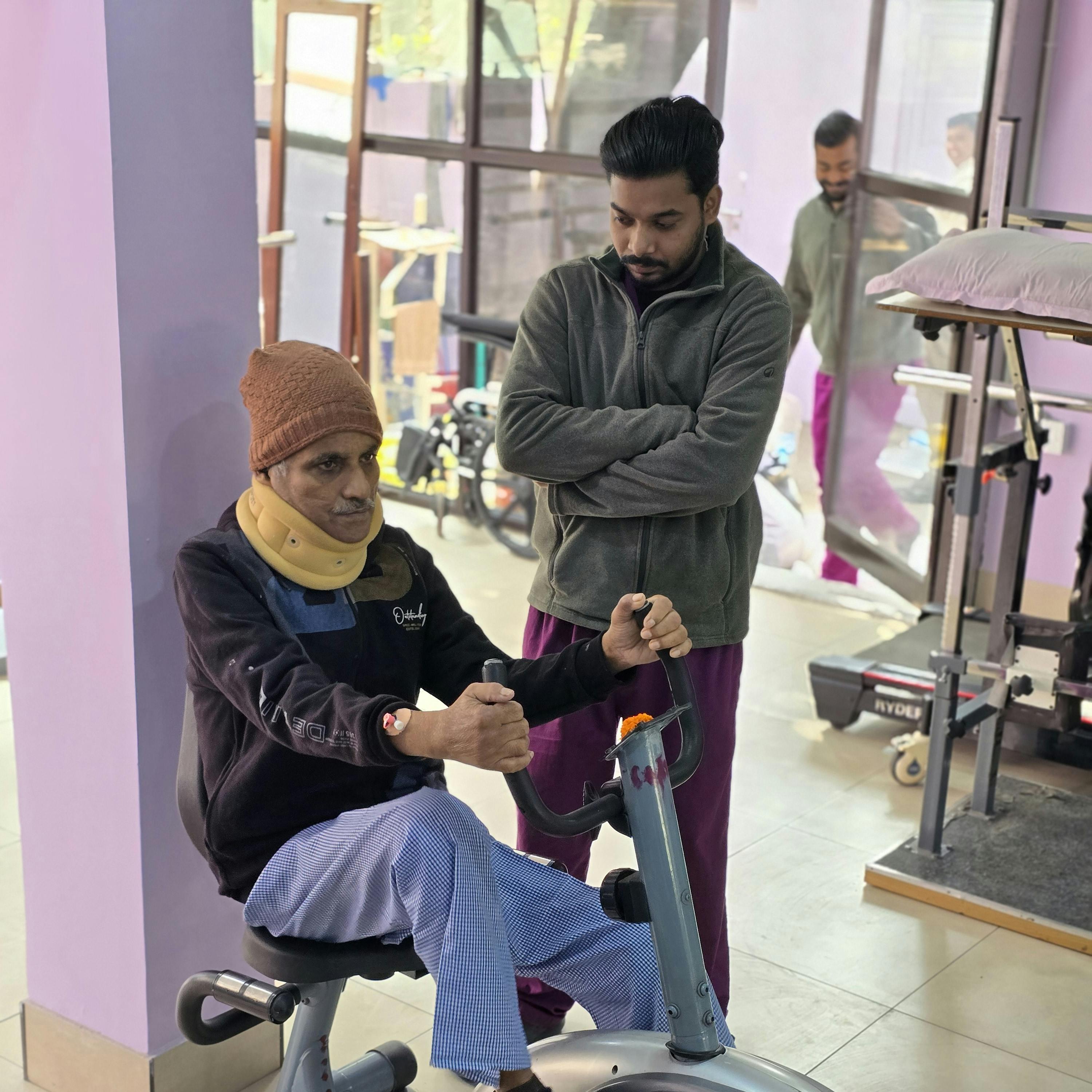
Talk to our rehabilitation specialists to understand what therapy, timing, and support are right without pressure or guesswork.
Knowledge That Guides Recovery
Get expert neuro rehabilitation tips from the doctors at Rehabana, Kolkata — simple guidance on stroke recovery, spinal cord injury rehab, Parkinson’s care, and enhancing quality of life after neurological conditions.
Returning to West Bengal after hospital treatment? Continue structured, multidisciplinary Neuro Rehabilitation closer to home with Rehabana.
Read More
Join the Neuro Rehabilitation Support Network, a community initiative convened by Rehabana. Connect with survivors, caregivers and professionals to learn, share and rebuild life together.
Read More
Complete Parkinson's home care guide for families, rehabilitation, safety and daily living.
Read More