There is no cure for MS yet, but treatment has improved a lot. Here is how medicines, symptom care and rehabilitation each play a part.

Overview
MS care usually has four parts that run side by side. Your neurologist leads the medical side. Rehabilitation helps with how the condition affects your body and your day.
No single plan suits everyone. The right mix depends on the type of MS, how active it is, your age and health, your other medicines, and what matters most to you. Costs and availability of some medicines also vary in India, so it helps to discuss practical questions openly with your neurologist.

Medicines
Disease-modifying therapies (DMTs) are long-term medicines that calm the immune attack in MS. They work best for relapsing forms of MS and can reduce the number of relapses and new areas of damage on MRI. Some are injections, some are tablets and some are given by infusion in hospital. They differ in how strong they are, how often they are taken and the monitoring they need. A few options are also used in some forms of progressive MS.
A bad relapse is often treated with a short course of high-dose steroids, given by mouth or drip. Steroids can speed up recovery from a relapse, but they don't change the long-term course of MS. Your neurologist decides whether a relapse needs treatment.
Decisions about which medicine to take, and when to start, stop or switch, belong with your neurologist. Never stop an MS medicine on your own.
Symptom management
Even when MS is stable, symptoms can still make life hard. Many of them can be eased, often with a mix of medicine and therapy.
Stiffness and spasms may be helped by stretching, positioning and, where needed, medicines or targeted injections given by a doctor. Bladder urgency can often be managed with routines, pelvic floor work and medicines. Nerve pain, low mood and sleep problems also have specific treatments. Fatigue is managed mainly through pacing, exercise and looking for other causes such as poor sleep or anaemia.
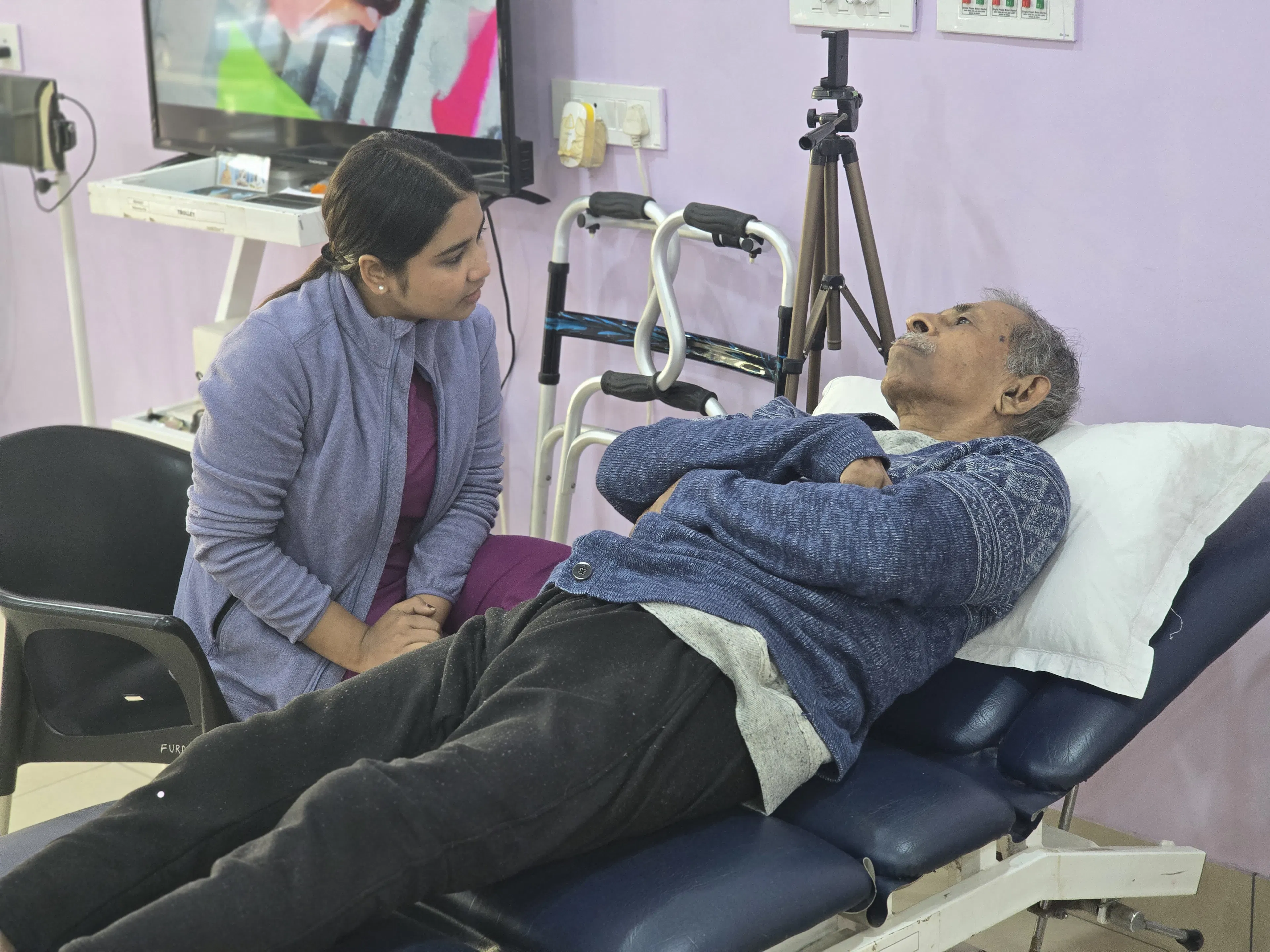
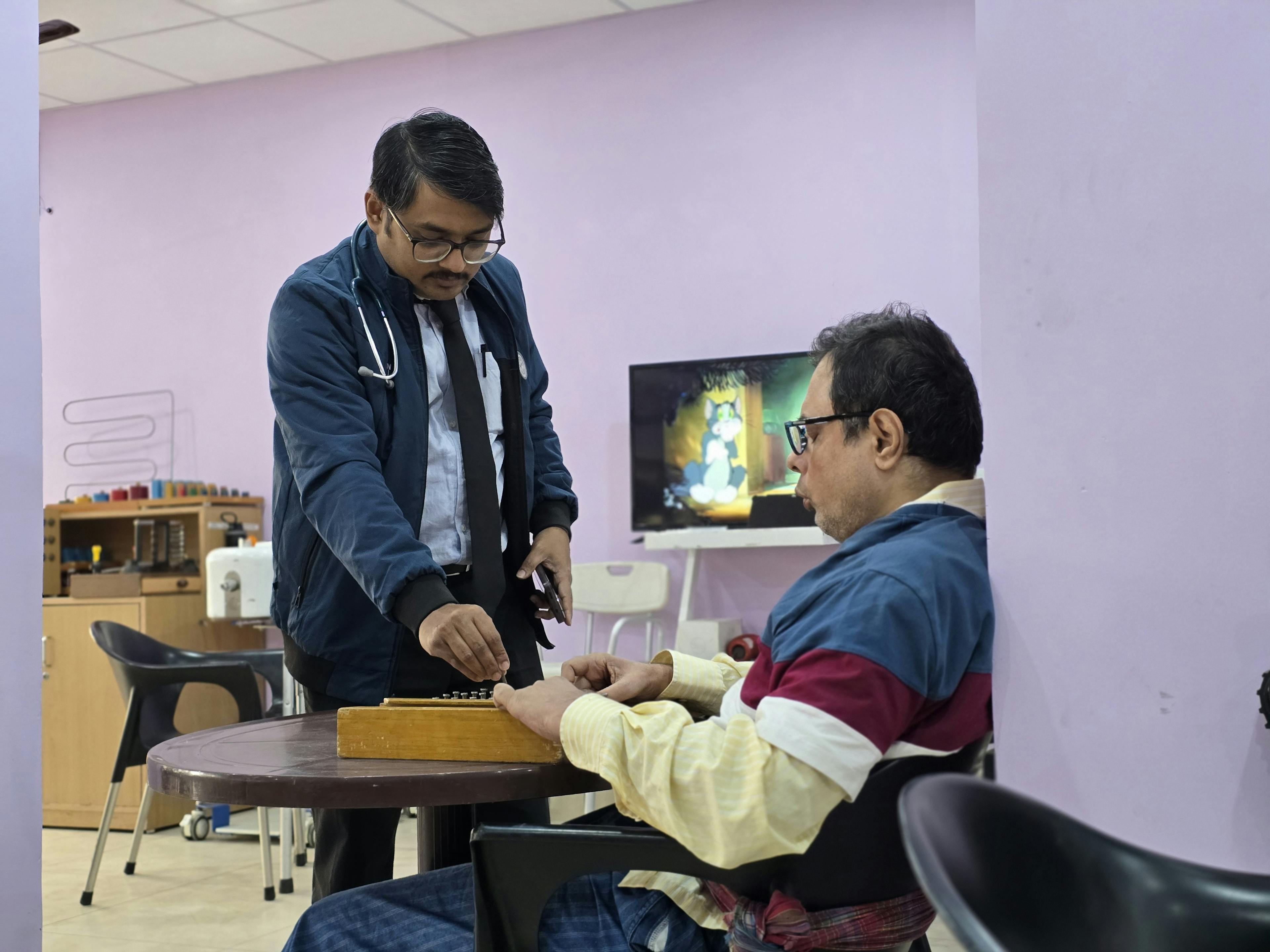
At Rehabana, our PMR (physical medicine and rehabilitation) doctors look at the whole picture. They work with your neurologist on symptoms like spasticity and pain, and with our therapists on the practical side.
Rehabilitation
Medicines work on the disease. Rehabilitation works on what the disease does to your everyday life: walking, balance, hand use, energy, thinking, speech and swallowing.
Regular, well-planned exercise is safe for most people with MS and can improve strength, fitness, walking and fatigue. Occupational therapy makes daily tasks easier and safer. Speech therapy helps with speech and swallowing changes.
Rehab is useful at every stage, not only after a relapse. Early on, it helps you stay fit and active. After a relapse, it supports recovery. Later, it helps you keep independence and stay safe. Be wary of any clinic that promises a cure or sells unproven treatments. Ask what evidence supports a treatment before you pay for it.
Your part
Medicines and therapy matter, but everyday choices also make a real difference to how you feel and how MS affects you over time.
If you smoke, stopping is one of the most useful things you can do. Smoking is linked to faster worsening of MS, and stopping helps your heart, lungs and circulation too. Ask your doctor for support to quit.
Stay active. Regular exercise, at a level that suits you, improves fitness, strength, mood and fatigue. Keep a healthy weight, eat a balanced diet with plenty of vegetables, fruit, whole grains and fluids, and keep blood pressure, sugar and cholesterol under control, as other health conditions can make MS harder to live with.
Low vitamin D levels are common in people with MS. Ask your doctor whether your level should be checked and whether a supplement is right for you, rather than taking high doses on your own.
Treat infections early, especially urine and chest infections, as they can bring on a worsening of symptoms. Ask your neurologist which vaccinations are suitable with your MS medicines. Look after your sleep and mood, and ask for help with stress, which many people find makes their symptoms worse.
Finally, keep your appointments and keep a simple record of symptoms, relapses and medicines. It helps your doctors make better decisions with you. Our guide to MS symptoms lists the common ones to watch for.
FAQs
Not yet. But disease-modifying therapies can reduce relapses and slow damage in many people, and symptom treatment and rehabilitation can make a real difference to daily life. Research is ongoing, including into ways to repair myelin.
Next steps
Book an assessment at Rehabana in Salt Lake or Kalighat, Kolkata. Our doctor-led team will look at how MS affects your day and build a plan that works alongside your neurologist's treatment.