Caring for someone with MS is a role that changes over time. This guide offers practical help for families, and a reminder to look after yourself too.
Understanding MS
MS is unpredictable. Your family member may be fine one day and struggle the next. Heat, fatigue, infections and stress can all make symptoms worse for a while. Many symptoms, like fatigue, pain, numbness and memory problems, can't be seen, so it is easy to underestimate them.
Learning about MS together helps. Go to appointments when you can, ask questions and read reliable information. Most importantly, ask the person what help they actually want. Doing too much can take away independence and confidence. Doing too little can leave them struggling. The right balance changes over time, so keep talking about it.

Daily support
Small, steady support usually helps more than doing everything for someone. Some ideas families find useful:

Relapses and warning signs
Contact the neurologist if new symptoms appear or old ones clearly worsen for more than a day, as this may be a relapse. Check for fever or a burning feeling when passing urine, because infections can cause a temporary worsening that looks like a relapse.
Get urgent help for choking, breathing difficulty, a high fever with confusion, a fall with a head injury or suspected fracture, or sudden weakness, numbness or slurred speech on one side, which could be a stroke.
Keep a simple folder with the diagnosis, current medicines, doctors' numbers and recent reports. It saves time in an emergency and at appointments.
Your wellbeing
Caring can be rewarding, but it can also be tiring and lonely, especially when it goes on for years. Caregivers who look after their own health are better able to keep helping.
Share the load with other family members where you can, and accept offers of help. Keep up your own appointments, sleep and time with friends. It is normal to feel frustrated, sad or worried at times. Talking to someone you trust, a support group or a counsellor can help.
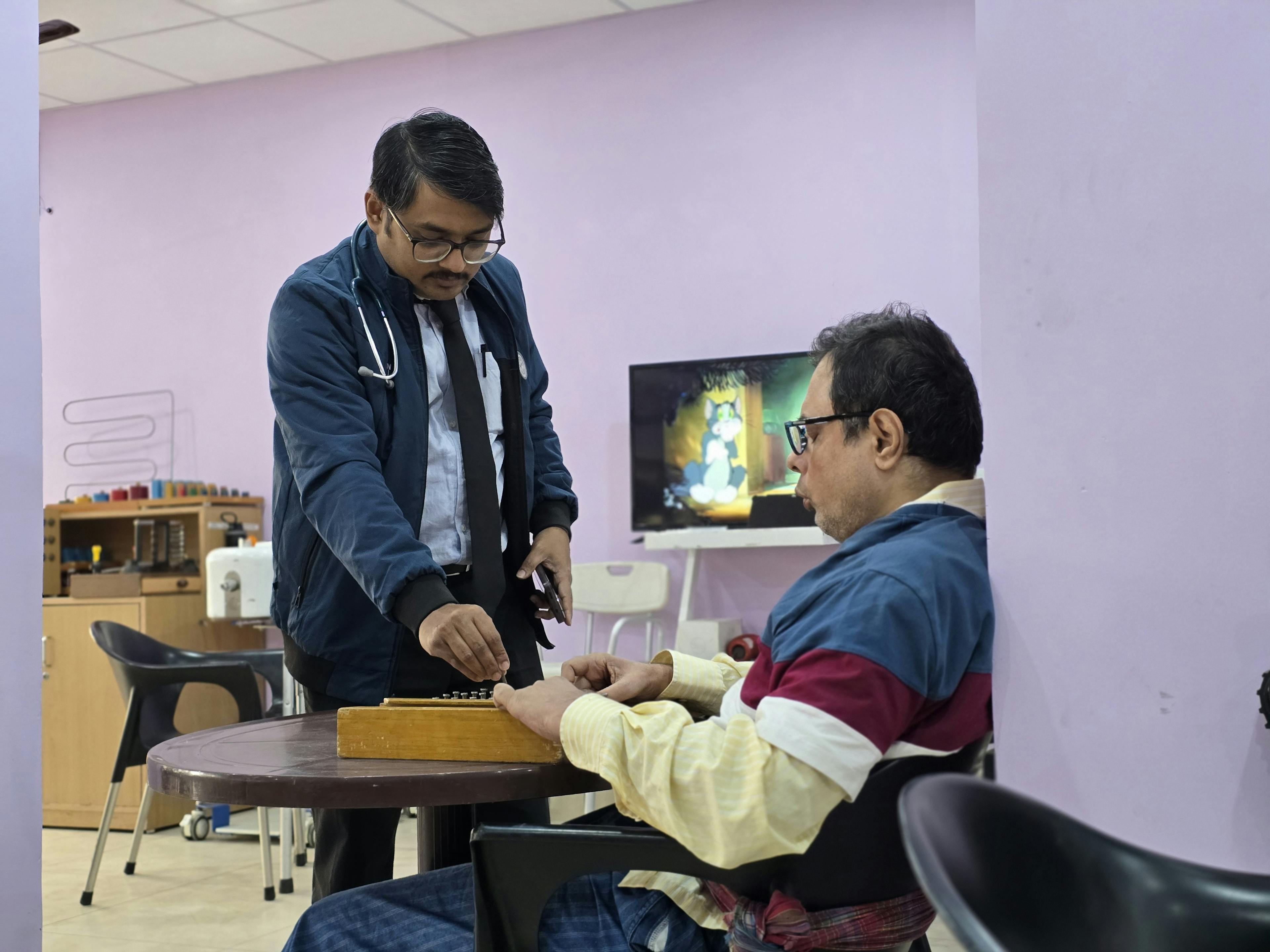
At Rehabana, we include caregivers in rehabilitation. We teach safe handling, explain the plan, and our psychologist can support both the person with MS and the family.
Comfort and health
As MS progresses, some of the most important care is about everyday comfort and preventing problems before they start.
Bladder. Many people with MS need to rush to the toilet or go often, and some don't empty the bladder fully. Don't cut back on drinking to reduce trips, as this can lead to infections and constipation. Instead, ask the doctor about a bladder assessment and treatment. Keep the route to the toilet clear and lit, and consider a commode or urinal at night if getting up is risky. Watch for signs of a urine infection, such as burning, a strong smell, fever or a sudden worsening of MS symptoms.
Bowels. Constipation is common. Plenty of fluids, fibre, regular meal times, a set time for the toilet and staying active all help. Tell the doctor if it persists.
Skin. People who sit or lie for long periods, or who have reduced feeling, are at risk of pressure sores, especially over the hips, lower back and heels. Change position regularly, check the skin daily for redness that doesn't fade, keep it clean and dry, and ask a therapist about pressure-relieving cushions or mattresses. Treat any red area seriously and get it checked early.
Comfort. Heat makes many symptoms worse, so fans, cool drinks and light clothing help. Good seating, pillows for positioning and gentle stretching can ease stiffness and pain. Small things done well every day often prevent hospital visits later.
FAQs
Ask before helping, and let the person do as much as they safely can, even if it takes longer. A therapist can show you which tasks are safe for them to do alone and where help is needed.
Next steps
Rehabana's team in Salt Lake and Kalighat, Kolkata, supports people with MS and their families with rehabilitation, caregiver training and advice.