MS can affect memory, attention and how quickly you think. These changes are common, often mild, and there is a lot that can help.

Overview
Many people with MS notice some change in their thinking skills, also called cognition. For most, the changes are mild to moderate. Severe problems are much less common. Cognitive changes can appear at any stage, even early on, and they don't always match how much difficulty a person has with walking.
The skills most often affected are thinking speed, attention and memory. Language and general intelligence are usually well kept. Because these changes are invisible, they can be mistaken for carelessness or stress, which is frustrating for the person and their family. Naming the problem is the first step to managing it.

Signs
These changes often show up in busy or tiring situations, such as a noisy family gathering, a long meeting or a crowded market. They tend to be worse with fatigue, heat, poor sleep, low mood and some medicines.
Assessment
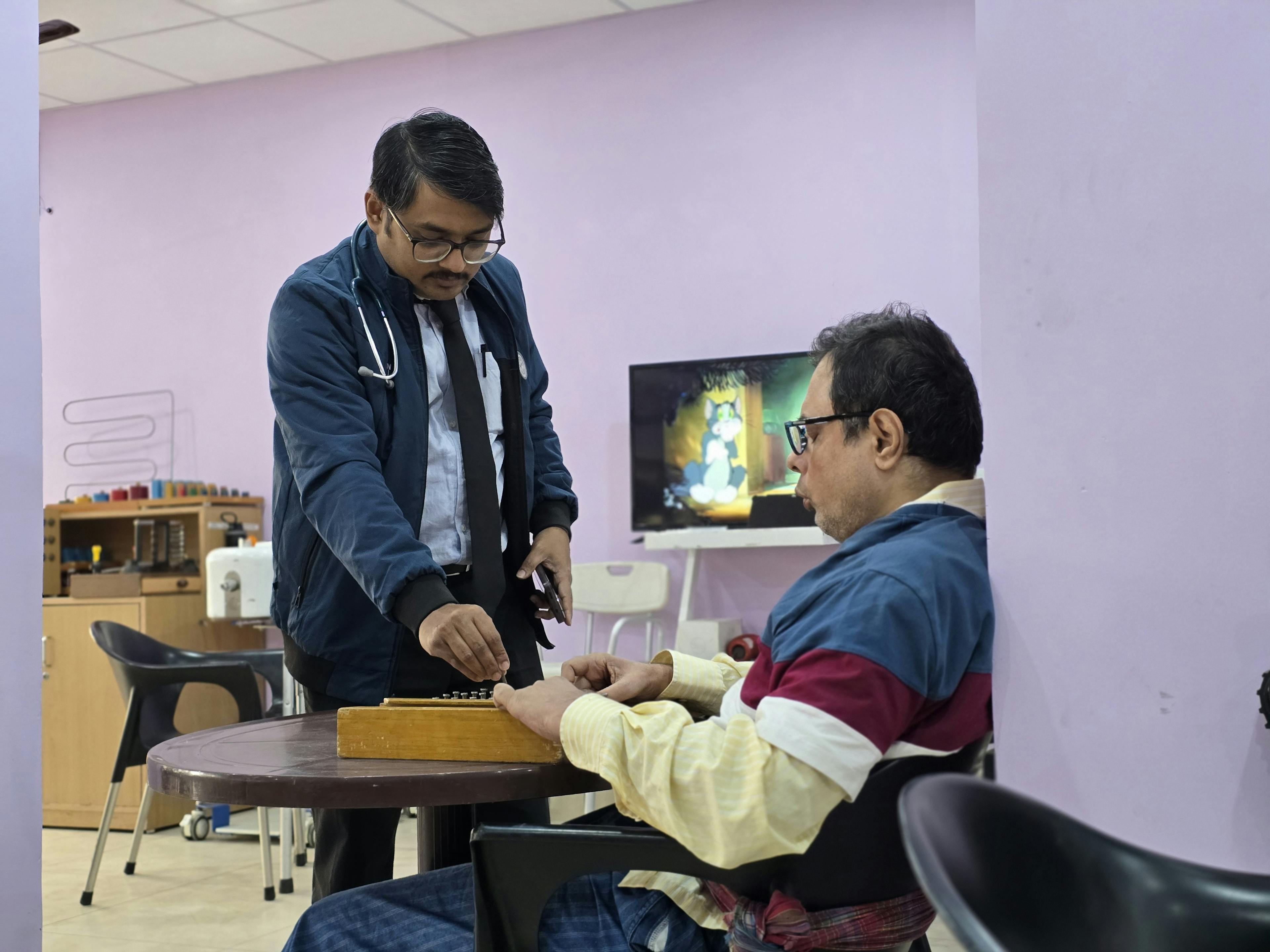
At Rehabana, we often start with a short screening test, such as the Montreal Cognitive Assessment (MoCA), and ask about real-life difficulties at home and work. If needed, a psychologist can carry out more detailed testing or we may suggest referral for a full neuropsychological assessment.
We also look for things that make thinking worse and can be treated, such as depression, anxiety, poor sleep, fatigue, pain and side effects of medicines. Treating these alone can make a noticeable difference.
The results help us set goals that matter to you, such as keeping on top of work tasks, managing money or remembering medicines.
Strategies
Cognitive rehabilitation combines practice of specific skills with everyday strategies that work around the difficulty. Our occupational therapists and psychologists help you find the ones that suit your life.
External aids take the load off memory: one diary or phone calendar for everything, alarms for medicines and appointments, lists, and a fixed place for keys, glasses and wallet. Routines help too, because tasks done the same way each day need less thinking.
For attention, do one thing at a time, cut background noise, and ask people to slow down or repeat things. Do the hardest thinking tasks when you are freshest, and take breaks. Regular physical exercise, good sleep and staying socially active are good for the brain as well as the body.
Mood and thinking
Thinking problems in MS rarely come from one cause. Mood, sleep, fatigue and thinking are closely linked, and a problem in one area often makes the others worse.
Depression is common in MS and can look a lot like a memory problem. When someone is low, it is harder to concentrate, take in new information and remember it later. Anxiety does something similar: a worried mind has less room for the task in front of it. The good news is that when depression and anxiety are treated, with talking therapy, medicines or both, thinking often improves too.
Poor sleep, from bladder trips, spasms, pain or worry, leaves the brain tired the next day. Fatigue, which is very common in MS, slows thinking further, especially in the afternoon or after a busy morning. Heat can also make thinking feel foggy for a while.
Some medicines, including some used for pain, spasms, sleep or bladder problems, can make people drowsy or less sharp. Never stop a medicine on your own, but do ask your doctor whether any of yours could be playing a part.
This is why our assessment at Rehabana looks at the whole person, not only at test scores. Our psychologist can screen for depression and anxiety and offer support, while our doctors and therapists look at sleep, fatigue and medicines. Treating these together usually works better than focusing on memory alone.
FAQs
Severe cognitive decline is uncommon in MS. Most people who have cognitive changes have mild to moderate difficulties, mainly with speed, attention and memory, and many manage well with strategies.
Next steps
If memory, attention or thinking have changed, book an assessment at Rehabana in Salt Lake or Kalighat, Kolkata. We'll look for treatable causes and practical ways to help.