There is no single test for Parkinson's. Here is how a neurologist reaches the diagnosis, which tests may be used, and what happens next.
Clinical diagnosis
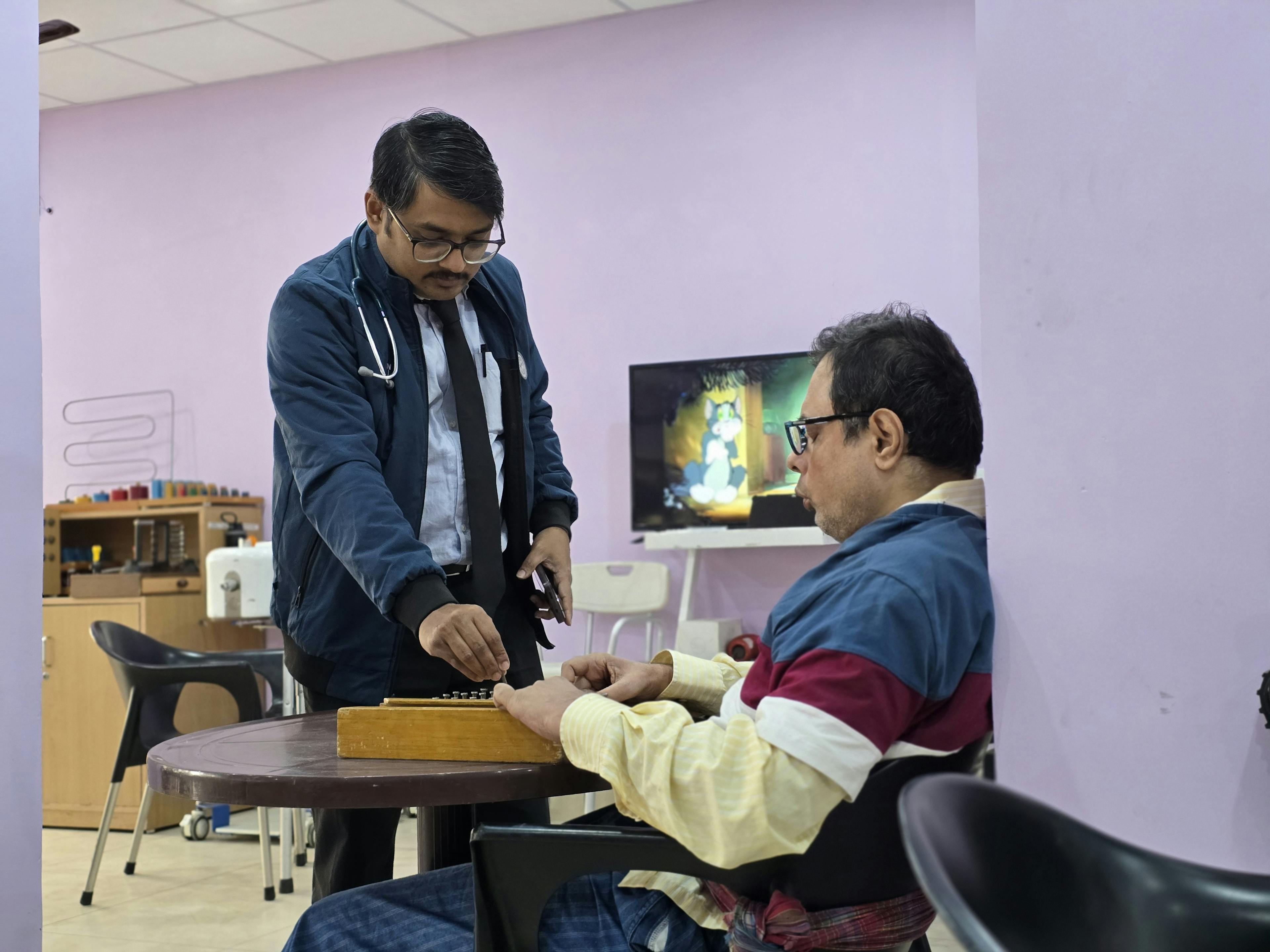
Parkinson's is diagnosed clinically. That means a neurologist reaches the diagnosis from your history and a detailed examination, rather than from a blood test or scan.
The key feature doctors look for is slowness of movement, called bradykinesia. This shows up as movements that get smaller and slower when repeated, such as tapping the fingers or feet. To diagnose Parkinson's, bradykinesia needs to be present along with a tremor at rest, stiffness (rigidity), or both.
The neurologist will also look for features that support the diagnosis, such as symptoms starting on one side, a good response to Parkinson's medicine, and non-movement signs like loss of smell. Just as importantly, they look for red flags that suggest a different condition. Seeing a specialist, rather than relying on a quick check, makes an accurate diagnosis much more likely.
The appointment
Bringing a family member and a written list of changes helps. The neurologist will usually:

Tests
Many people expect a scan to show Parkinson's, but in most cases an MRI of the brain is normal. Doctors may still order one to rule out other causes of the symptoms, such as small strokes, a build-up of fluid in the brain, or a tumour.
A special scan that shows the brain's dopamine system, often called a DaTscan, can help when the diagnosis is uncertain, for example to tell Parkinson's apart from essential tremor or drug-induced parkinsonism. It shows reduced dopamine activity, but it can't always separate Parkinson's from related conditions, and most people don't need one.
Blood tests are sometimes done to check for thyroid problems, vitamin deficiencies or other conditions. In younger people or those with a strong family history, the neurologist may discuss genetic testing.
The response to medicine is also useful. A clear improvement with levodopa supports the diagnosis of Parkinson's disease.
Getting it right
Early Parkinson's can look like several other conditions, and some features only become clear over time. A neurologist may make a provisional diagnosis, start treatment, and review you again over the following months to see how symptoms develop and how you respond.
Conditions that can resemble Parkinson's include essential tremor, side effects of certain medicines, small vessel disease from strokes, and rarer conditions such as multiple system atrophy or progressive supranuclear palsy. These often progress differently and respond less to Parkinson's medicine. Features such as early falls, rapid worsening, severe early dizziness or problems moving the eyes make the doctor look more closely.
If the diagnosis changes over time, that is not unusual and doesn't mean anything was missed. It simply means the picture became clearer. Keep going to follow-up appointments and report any new symptoms.
After diagnosis
A diagnosis of Parkinson's can be a shock, even when it was expected. It is normal to feel worried, sad or relieved to finally have an explanation. Give yourself time, and remember that Parkinson's usually progresses slowly and that many people live full, active lives for many years.
Practical first steps help. Ask your neurologist about treatment options and how to take medicines on time. Learn about the condition from reliable sources. Keep a simple diary of symptoms to share at appointments.
Start rehabilitation early, even if you feel fine. An assessment now gives a baseline to compare against later, and early exercise, posture work and voice practice help you stay independent for longer. At Rehabana, our doctor-led team assesses movement, balance, daily function, thinking and swallowing, and builds a plan that works alongside your neurologist's treatment.
FAQs
Not yet for routine use. Research into blood, skin and spinal fluid tests is promising, but diagnosis is still made by a neurologist's examination.
Next steps
Talk to Rehabana in Salt Lake or Kalighat, Kolkata, about a baseline rehabilitation assessment and an early exercise plan.