Why staying active is one of the most effective things a person with Parkinson's can do, and how physiotherapy guides it safely.
Why it matters
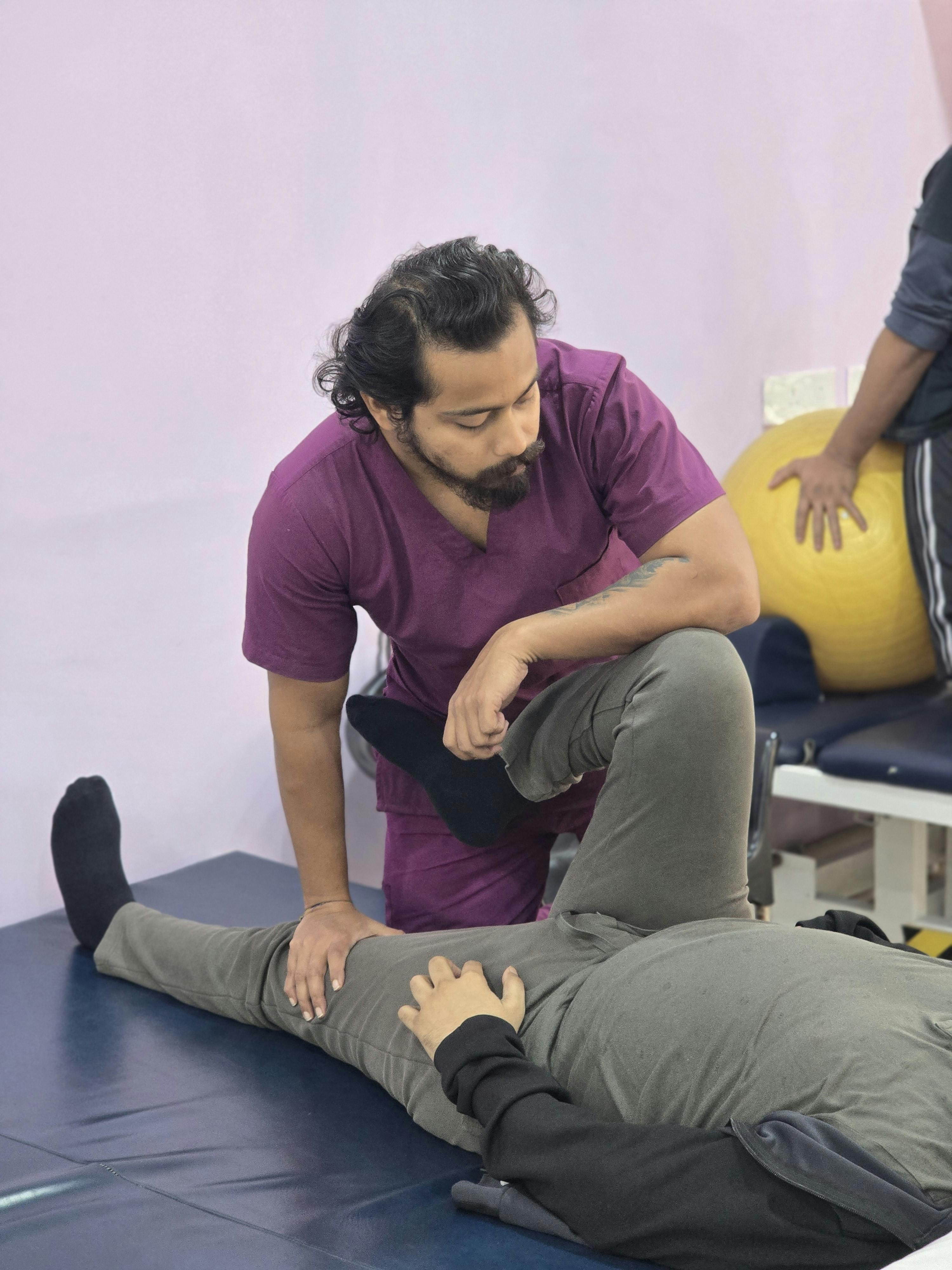
Regular exercise improves strength, flexibility, balance and walking, and supports mood and sleep. It works best alongside medicine, not instead of it.
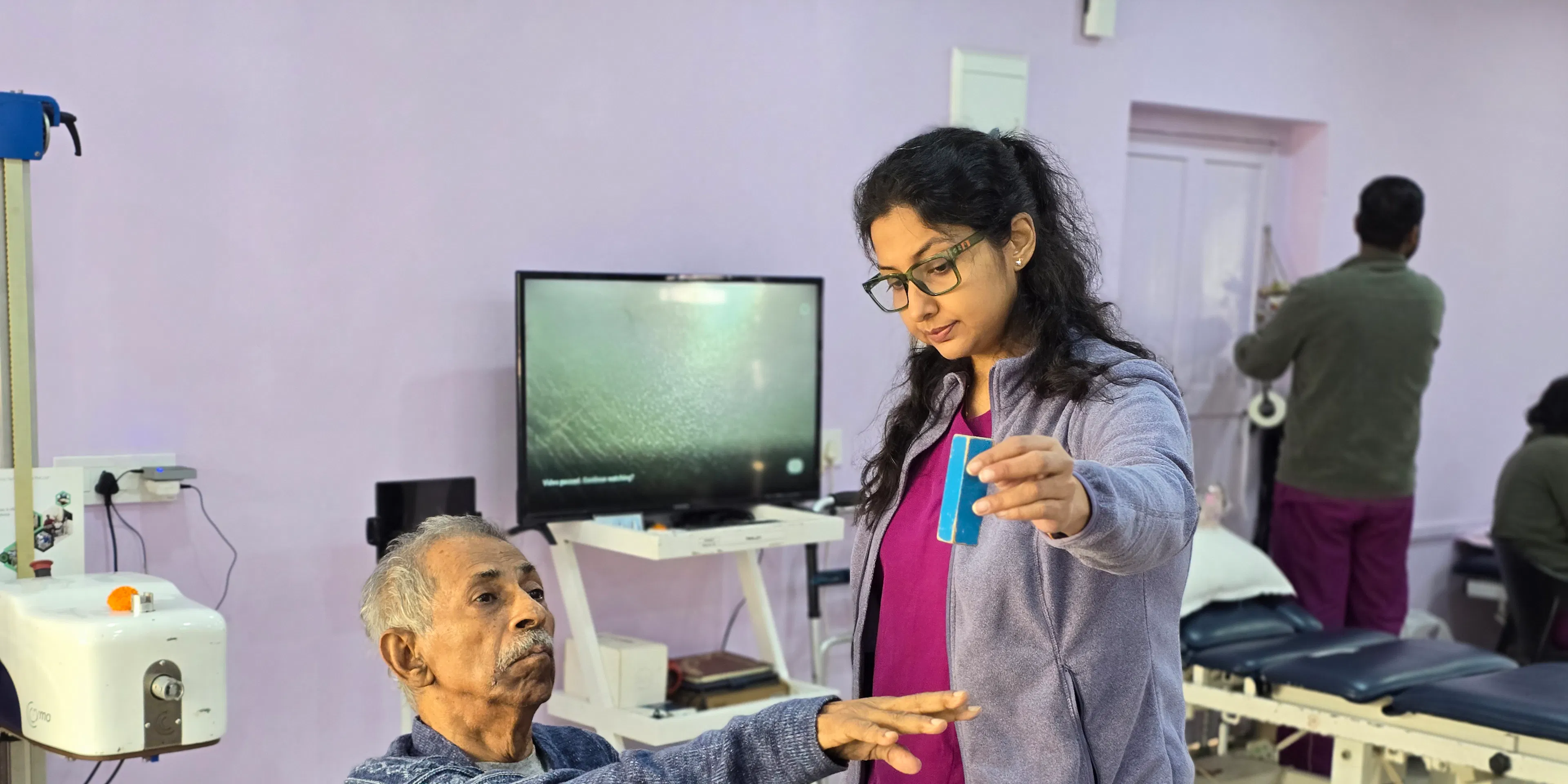
A physiotherapist designs a programme for the person's stage, abilities and goals, then progresses it as they improve.

What it includes
Programmes change with each stage of Parkinson's, but they usually combine:
FAQs
For most people, yes, once a doctor or physiotherapist has checked balance and heart health. The programme is adjusted to keep the risk of falls low.
Have a question?
Our doctors and therapists can explain what rehabilitation could do in your situation.
Keep reading
Practical advice for families: daily routines, safety at home, medicines, and looking after yourself.

Why walking changes in Parkinson's, what freezing is, and the exercises that help prevent falls.
Sleep, mood, memory, constipation and other symptoms that are not about movement but matter just as much.

Keeping up with dressing, eating, writing and work: how occupational therapy protects independence.

What a complete Parkinson's rehabilitation programme looks like, who is in the team, and when to start.
Why the voice gets softer and swallowing gets harder, and how speech therapy, including LSVT LOUD, helps.

The early signs of Parkinson's, the main motor symptoms, and when to see a neurologist.
Medicines, surgery, rehabilitation and the research on the horizon: an overview of Parkinson's treatment.
Best Parkinsons Disease Treatment in Kolkata - Rehabana