Practical help with the everyday tasks Parkinson's makes harder, so people can stay independent for longer.
What it is
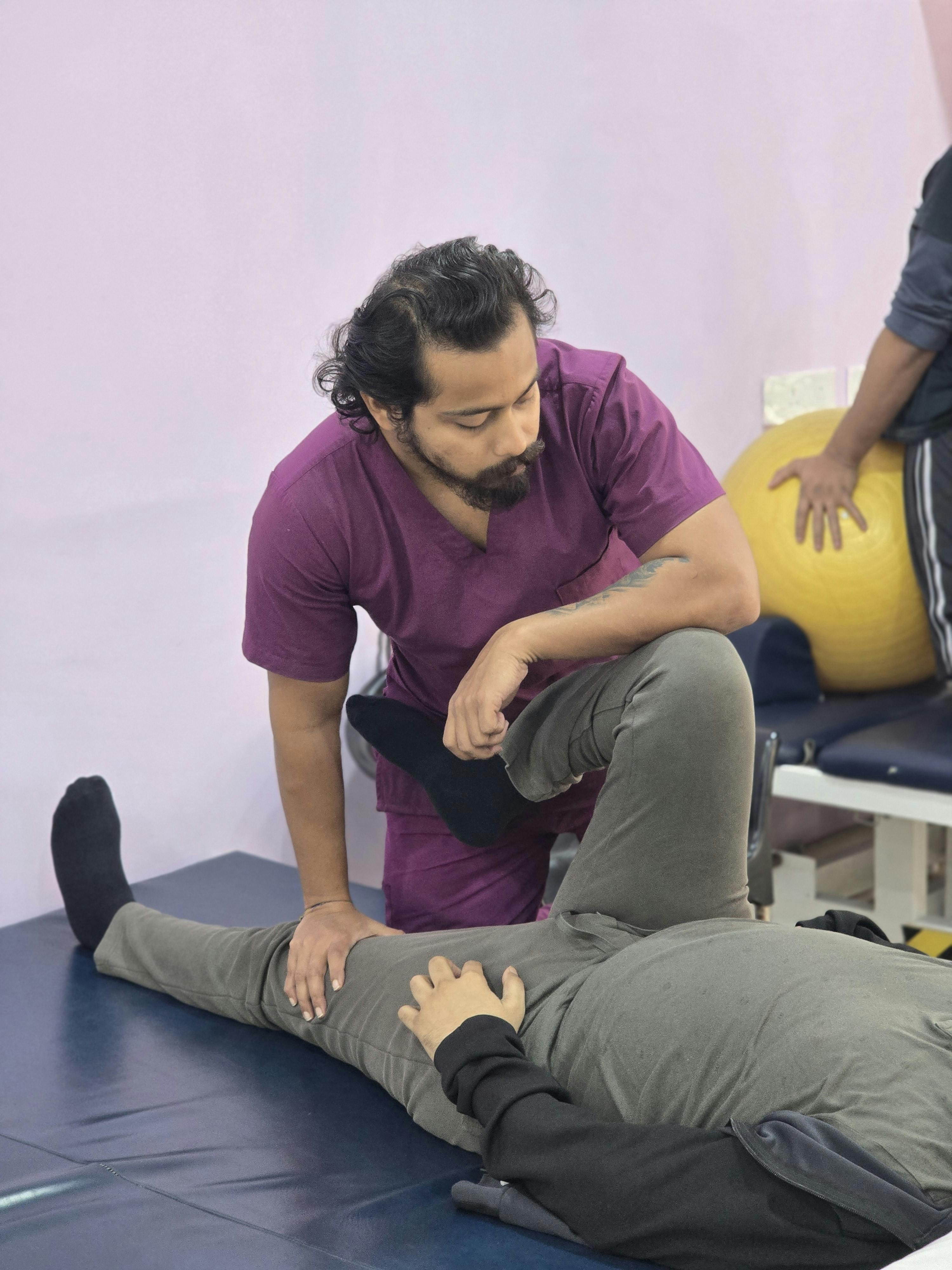
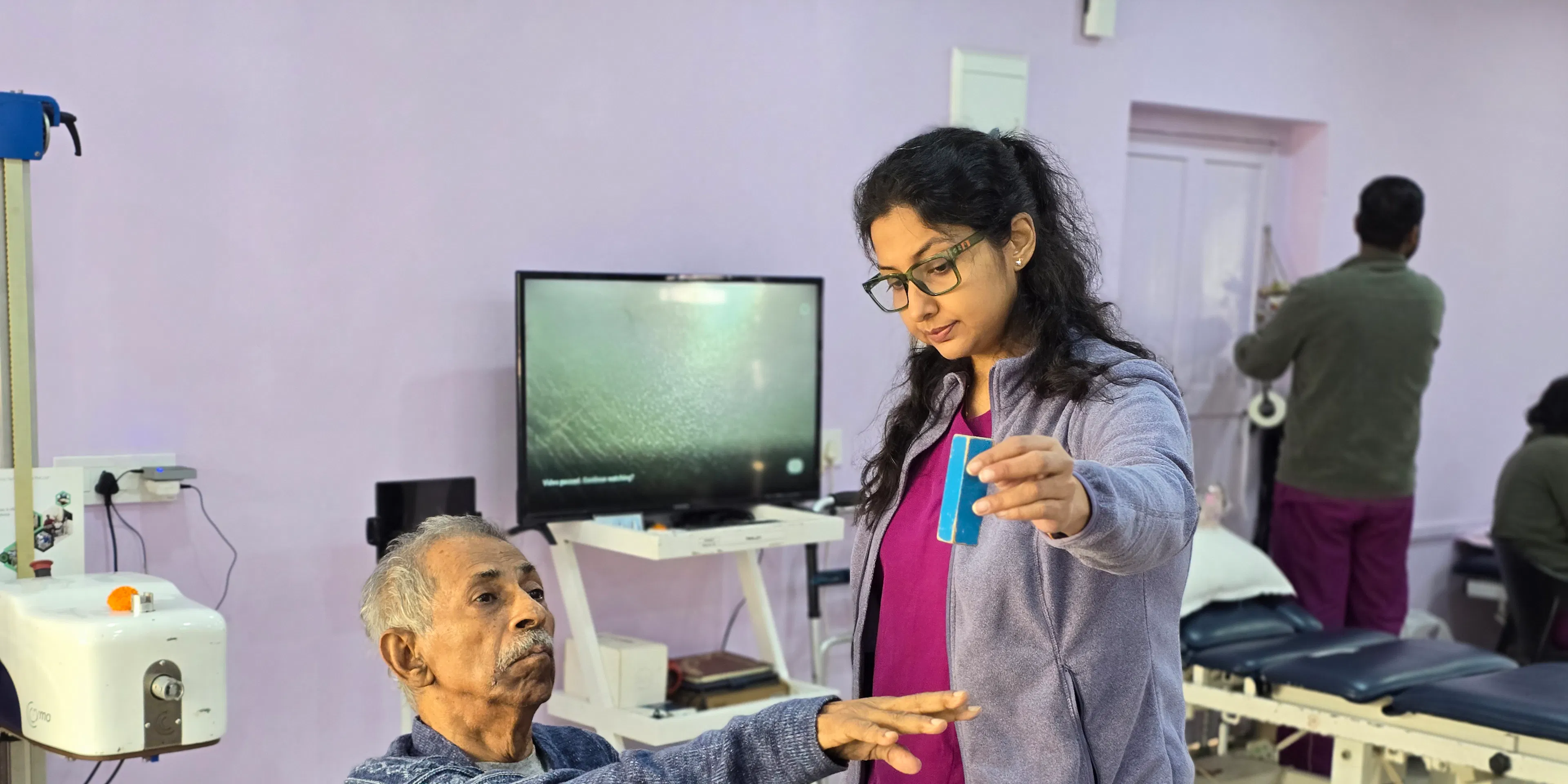
Occupational therapy focuses on the activities that make up a day: getting dressed, eating, bathing, writing, cooking, working and hobbies. As Parkinson's slows movement and reduces fine hand control, these tasks take longer and become frustrating.
An occupational therapist looks at how the person does each task, then changes the method, the tools or the environment so it becomes manageable again.

What it covers
Typical goals include:
FAQs
Physiotherapy works on movement itself: walking, balance and strength. Occupational therapy works on using that movement for daily tasks, and on adapting the tasks and the home.
Have a question?
Our doctors and therapists can explain what rehabilitation could do in your situation.
Keep reading
Practical advice for families: daily routines, safety at home, medicines, and looking after yourself.

Why walking changes in Parkinson's, what freezing is, and the exercises that help prevent falls.
Sleep, mood, memory, constipation and other symptoms that are not about movement but matter just as much.
How physiotherapy and regular exercise help people with Parkinson's stay strong, flexible and independent.

What a complete Parkinson's rehabilitation programme looks like, who is in the team, and when to start.
Why the voice gets softer and swallowing gets harder, and how speech therapy, including LSVT LOUD, helps.

The early signs of Parkinson's, the main motor symptoms, and when to see a neurologist.
Medicines, surgery, rehabilitation and the research on the horizon: an overview of Parkinson's treatment.
Best Parkinsons Disease Treatment in Kolkata - Rehabana