How to support someone with Parkinson's day to day, and how to look after yourself while you do.
Everyday routines
People with Parkinson's usually do best with a predictable day. Movement is often easiest an hour or so after a dose of medicine, so plan bathing, exercise and outings for those times.

Safety at home
Falls are one of the biggest risks in Parkinson's. Small changes at home make a large difference.
Your wellbeing
Caring for someone with a long-term condition is demanding. Tiredness, worry and frustration are normal, and they are a signal to ask for help, not a failure.
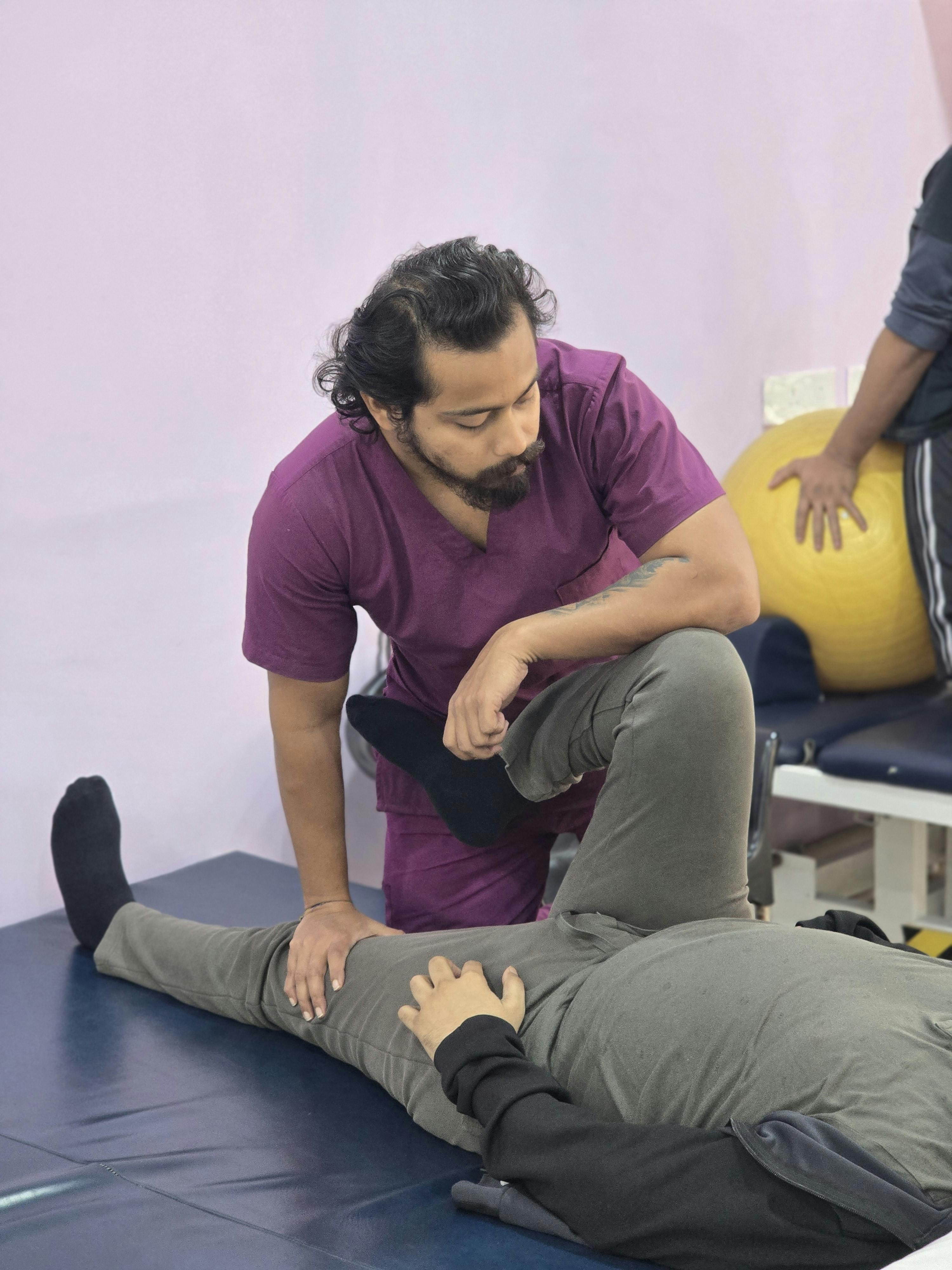
Share tasks among the family, take regular breaks, and keep up your own health appointments. A rehabilitation team can teach safe ways to help with transfers and walking, which protects your back as well as theirs.
FAQs
Stay calm and avoid pulling them forward. Ask them to shift their weight from side to side, then step over an imaginary line or walk to a counted rhythm. A physiotherapist can teach cues that work for that person.
Have a question?
Our doctors and therapists can explain what rehabilitation could do in your situation.
Keep reading

Why walking changes in Parkinson's, what freezing is, and the exercises that help prevent falls.
Sleep, mood, memory, constipation and other symptoms that are not about movement but matter just as much.

Keeping up with dressing, eating, writing and work: how occupational therapy protects independence.
How physiotherapy and regular exercise help people with Parkinson's stay strong, flexible and independent.

What a complete Parkinson's rehabilitation programme looks like, who is in the team, and when to start.
Why the voice gets softer and swallowing gets harder, and how speech therapy, including LSVT LOUD, helps.

The early signs of Parkinson's, the main motor symptoms, and when to see a neurologist.
Medicines, surgery, rehabilitation and the research on the horizon: an overview of Parkinson's treatment.
Best Parkinsons Disease Treatment in Kolkata - Rehabana