

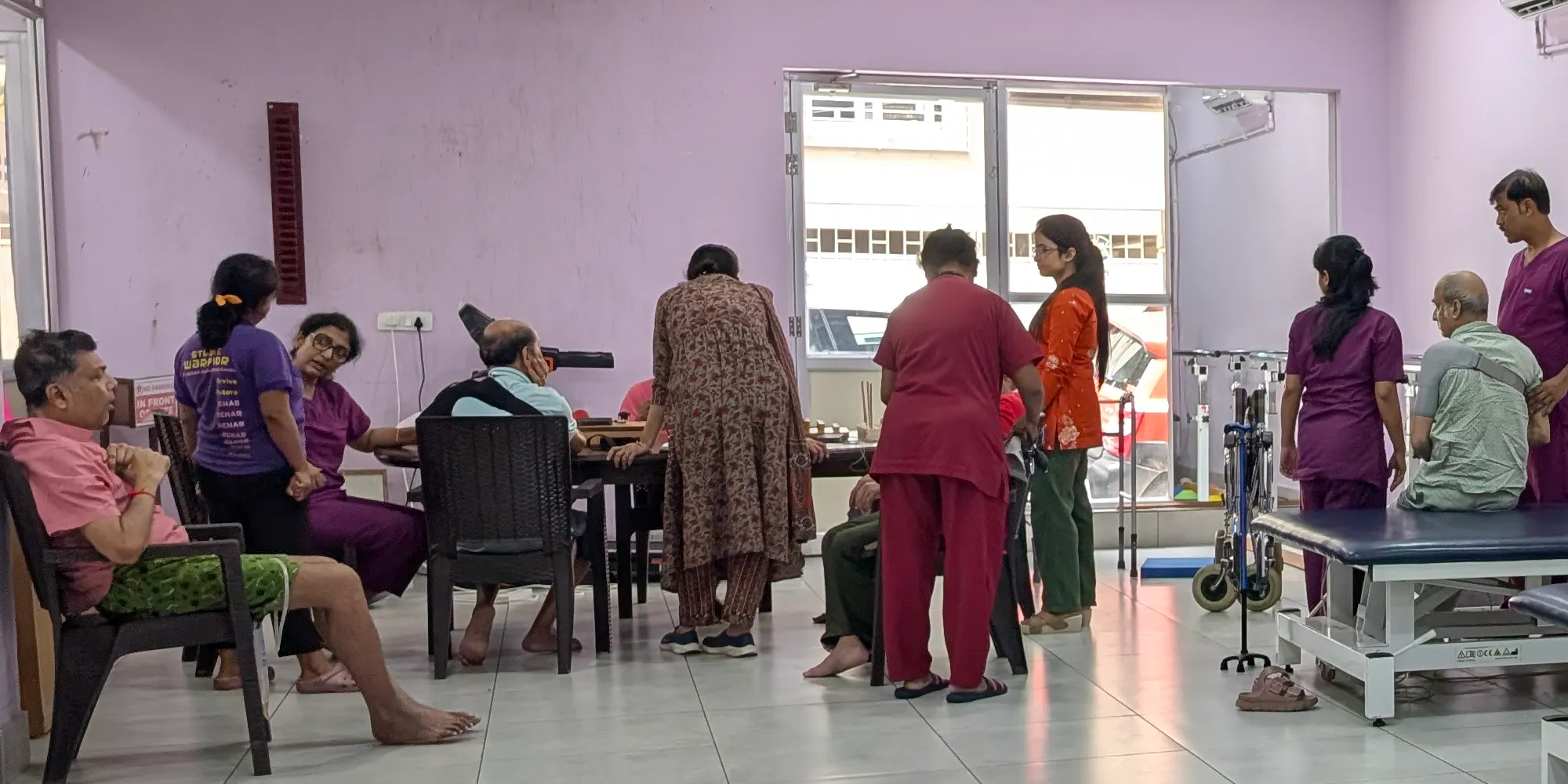
Neuro Rehabilitation in Kolkata After Hospital Discharge
Returning to West Bengal after hospital treatment? Continue structured, multidisciplinary Neuro Rehabilitation closer to home with Rehabana.
Read MorePain and muscle stiffness after stroke can slow recovery and reduce confidence. At Rehabana, our rehabilitation doctors evaluate and manage pain and spasticity with structured, personalized treatment plans - so recovery can continue safely and effectively.
Thorough Doctor Evaluation
Advanced Spasticity Management
Pain Control to Improve Therapy Participation
Integrated Neuro Rehabilitation Approach
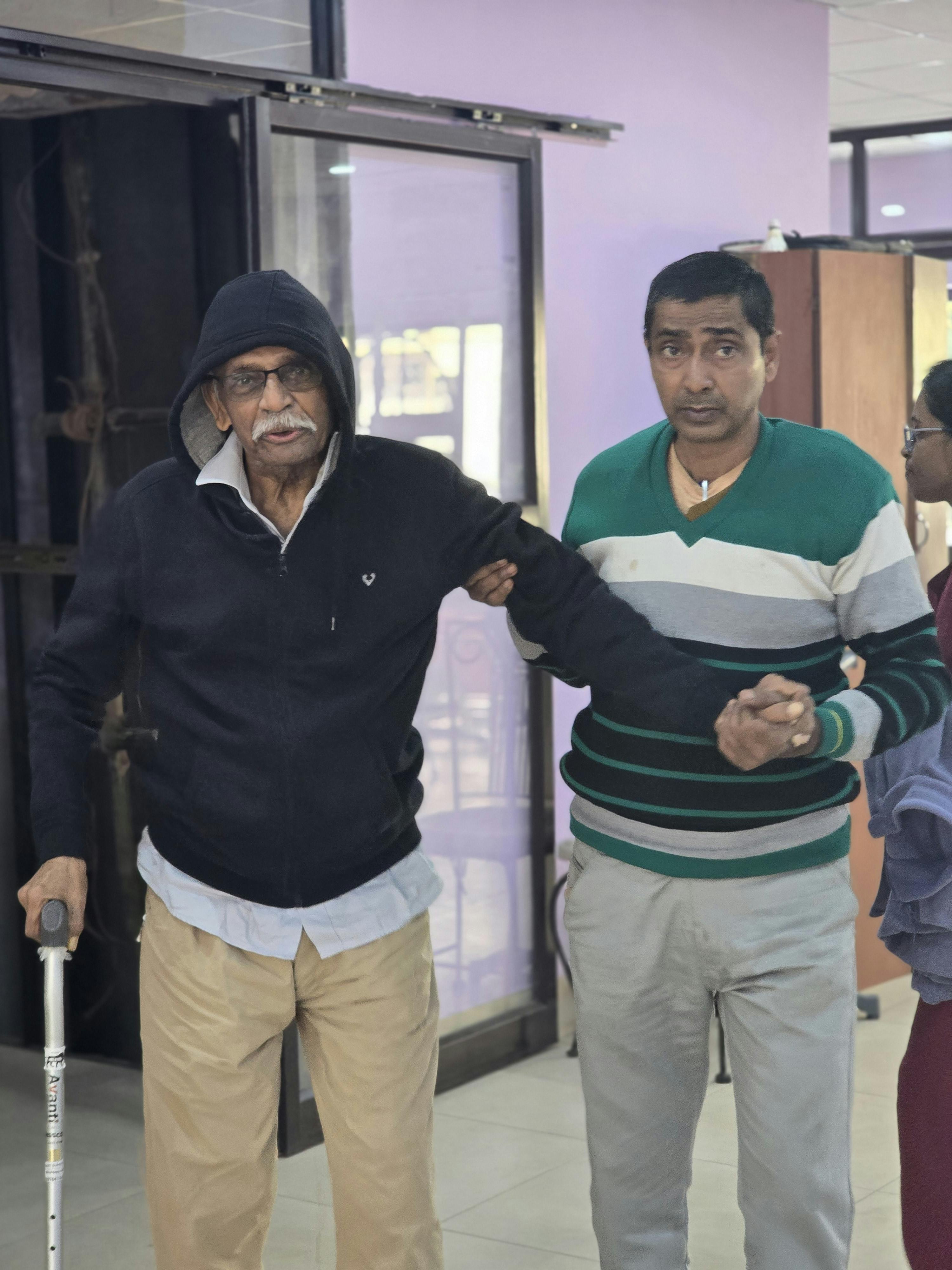
When Recovery Feels Painful
After a stroke, nearly 30% of survivors experience some form of pain. For some, it begins soon after the stroke. For others, it develops weeks or months later.
Post-stroke pain can appear in different ways.
Some patients experience muscle and joint pain due to weakness or improper positioning. Shoulder pain is common. Others develop muscle tightness known as spasticity, which makes movement uncomfortable.
There is also a type of nerve-related pain called central post-stroke pain. It may feel like burning, tingling, or sharp sensations - even when there is no visible injury.
Pain is not just uncomfortable. It affects motivation. It reduces willingness to participate in therapy. It slows progress.
At Rehabana, our rehabilitation doctors carefully evaluate the type and cause of pain before planning treatment. Because proper diagnosis changes outcomes.
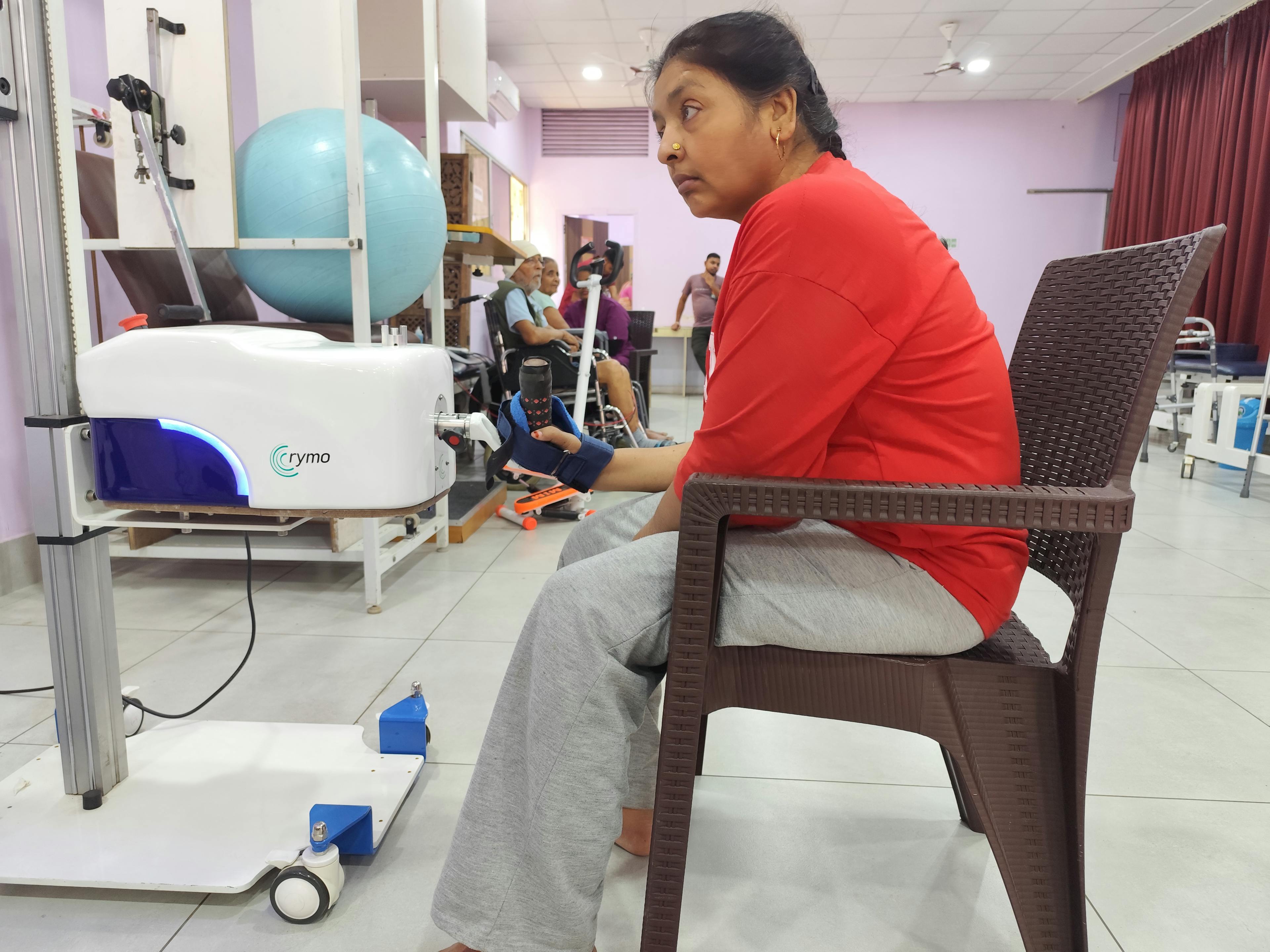
When Muscles Become Stiff & Tight
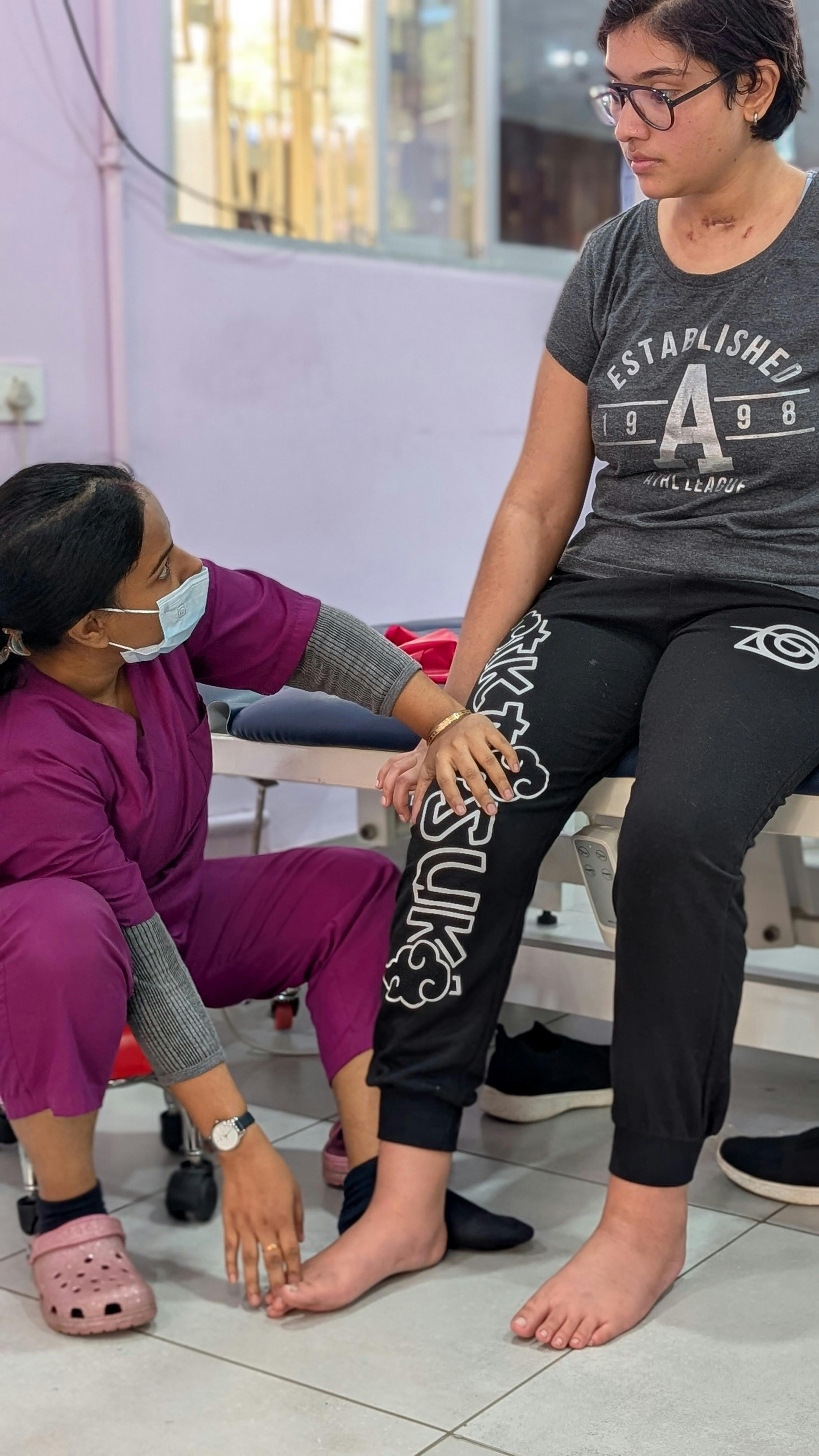
Spasticity after stroke causes muscles to become stiff and tight, making movement difficult and sometimes painful. Instead of relaxing normally, the muscles stay contracted, which can limit mobility and affect daily activities.
Spasticity May Affect:
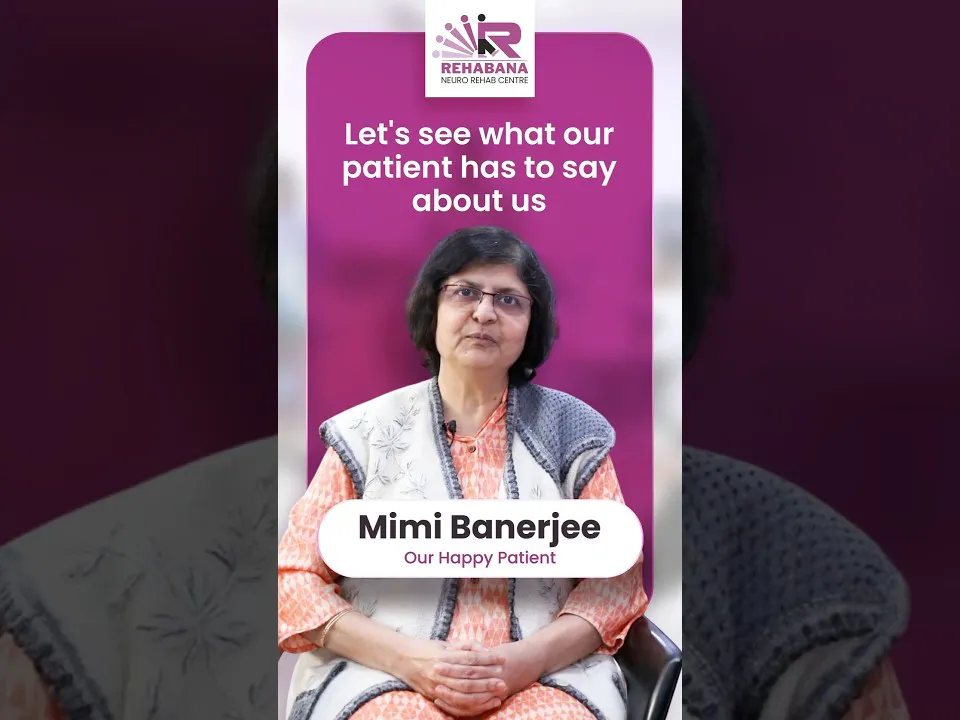
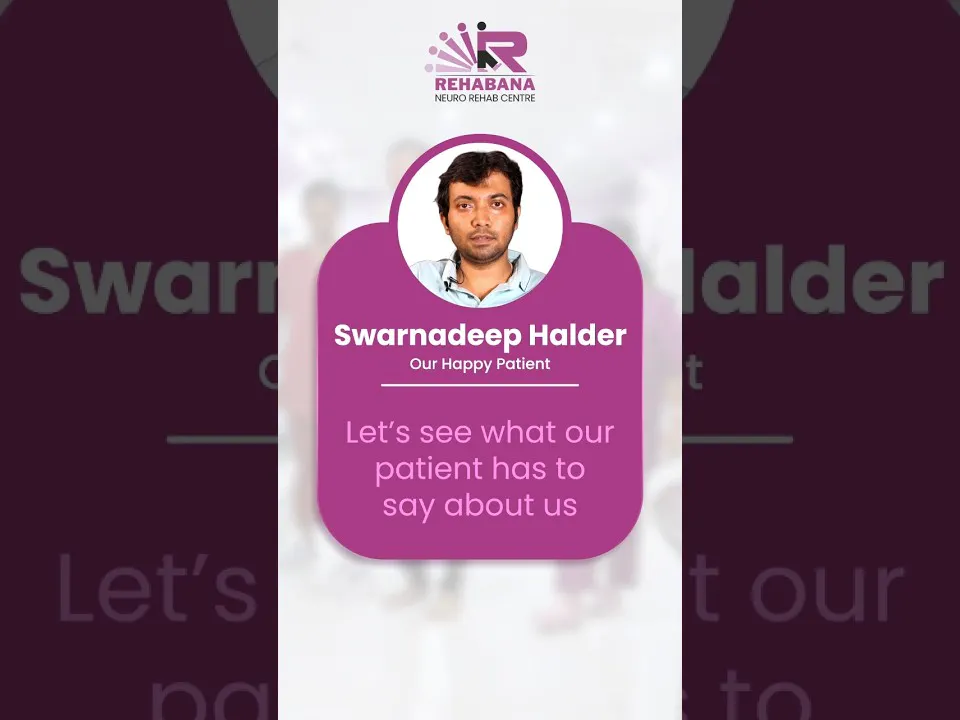
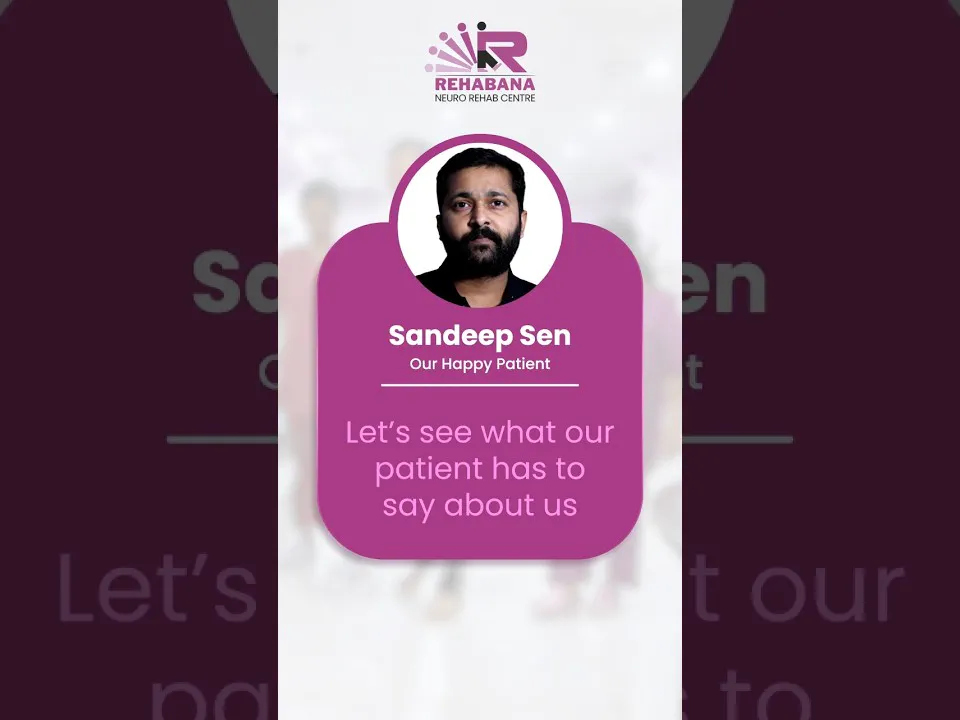
Patient Stories
Hear directly from patients and families who have experienced meaningful recovery at Rehabana. Their stories reflect our commitment to personalized care, consistent progress, and compassionate support throughout the rehabilitation journey.
Your Recovery Starts With the Right Care

Our treatments follow evidence-based protocols delivered by certified rehabilitation professionals.

Specialized care for stroke, paralysis, spinal injuries, and chronic pain recovery.

Continuous care and emergency assistance whenever you need us.
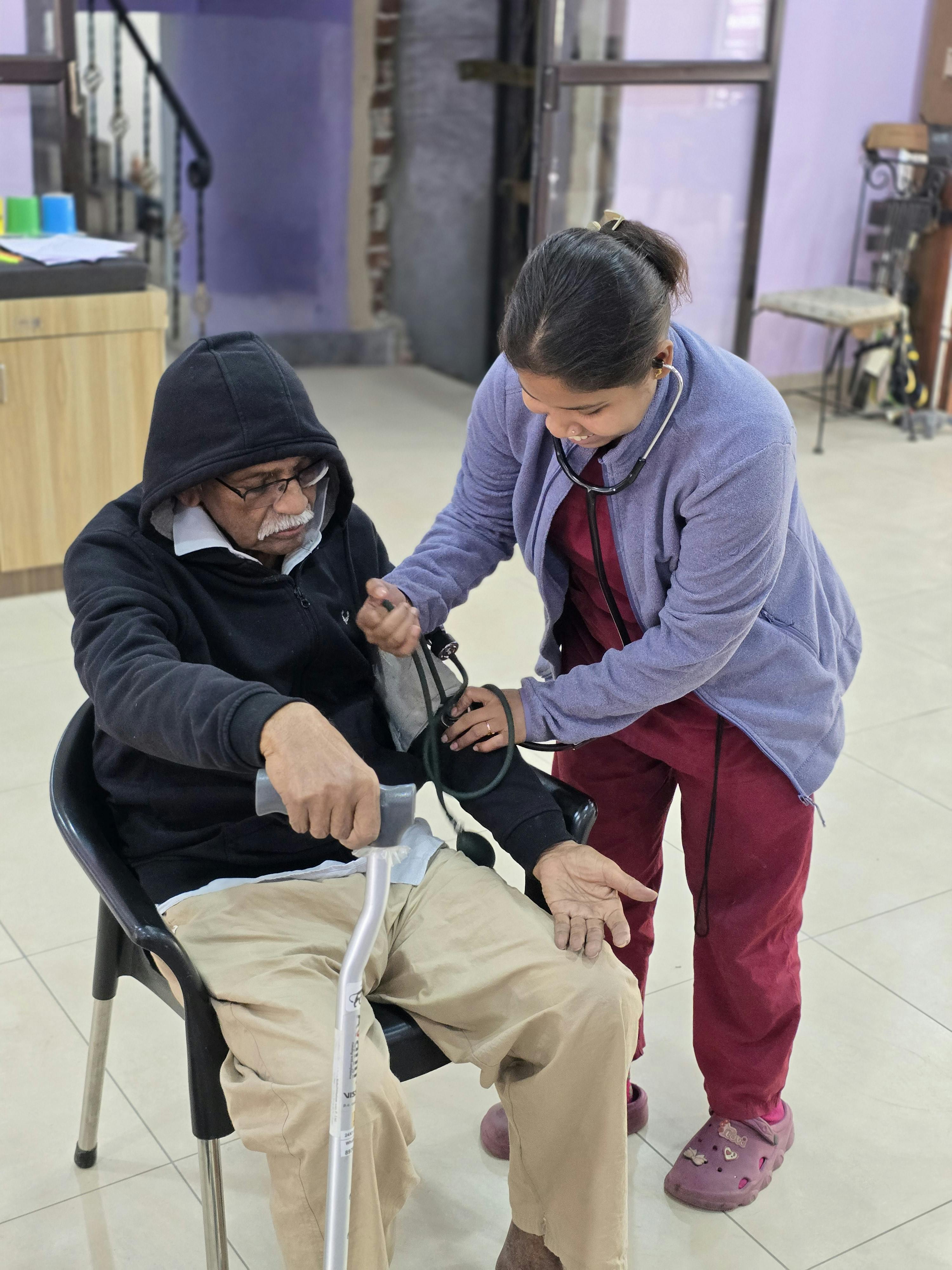
Recognising Early Warning Signs
Spasticity causes certain muscles to tighten involuntarily. Symptoms may include:
More Than Just Stiffness
Spasticity is more than muscle tightness - it can affect movement, independence, and emotional wellbeing. Persistent stiffness may cause pain, balance issues, and frustration when muscles don’t respond as intended, impacting overall quality of life.
Spasticity can:

Prevent Long-Term Complications
Pain and spasticity should never be ignored during rehabilitation. When left untreated, they can slow down recovery, reduce participation in therapy, and negatively impact both physical and emotional wellbeing. Early medical intervention helps improve comfort, mobility, and overall engagement in rehabilitation programs. When pain reduces, confidence improves. When stiffness reduces, movement improves - making recovery smoother and more effective.
Ignoring pain and spasticity can lead to:
Doctor-Led, Structured Intervention
Every patient is different. That’s why we begin with a detailed medical evaluation before planning treatment.

Our MD Physical Medicine & Rehabilitation doctors evaluate muscle tone, joint mobility, nerve-related pain, and functional limitations. When necessary, medications are carefully prescribed to safely reduce nerve pain and muscle tightness.
For severe spasticity, advanced treatments such as guided injections may be recommended to relax specific affected muscles and improve movement.


Stretching, strengthening, positioning, mobility training, and posture correction are integrated into daily therapy to reduce strain, prevent complications, and improve functional ability.
Pain levels and muscle tone are reviewed regularly. Treatment plans are continuously adjusted based on patient response to ensure steady and safe progress.

Take Control of Recovery
If pain or muscle stiffness is affecting therapy progress, our rehabilitation doctors in Kolkata can help. Structured evaluation leads to better recovery outcomes.
Our Features
Our features are designed to help you achieve your goals.

Helping individuals regain independence by improving daily living skills, motor coordination, and functional abilities.

Restoring movement, strength, and physical function through targeted exercises and evidence-based rehabilitation techniques.

Speech therapy helps improve communication, clarity, and safe swallowing for patients with speech or language difficulties.
FAQs
Explore common questions about pain and spasticity management, including causes, early intervention, available treatments, and how rehabilitation supports long-term recovery.
Pain and spasticity commonly occur after conditions like stroke, spinal cord injury, traumatic brain injury, or other neurological disorders. Muscle stiffness, nerve damage, and altered muscle control can lead to tightness, discomfort, and restricted movement.
Knowledge That Guides Recovery
Get expert neuro rehabilitation tips from the doctors at Rehabana, Kolkata — simple guidance on stroke recovery, spinal cord injury rehab, Parkinson’s care, and enhancing quality of life after neurological conditions.
Returning to West Bengal after hospital treatment? Continue structured, multidisciplinary Neuro Rehabilitation closer to home with Rehabana.
Read More
Join the Neuro Rehabilitation Support Network, a community initiative convened by Rehabana. Connect with survivors, caregivers and professionals to learn, share and rebuild life together.
Read More
Complete Parkinson's home care guide for families, rehabilitation, safety and daily living.
Read More