Neuro Rehabilitation in Kolkata After Hospital Discharge
Returning to West Bengal after hospital treatment? Continue structured, multidisciplinary Neuro Rehabilitation closer to home with Rehabana.
Read MoreYour loved one was diagnosed with paralysis and you have a hundred questions. This guide explains every type of paralysis in simple language and shares what recovery actually looks like from Rehabana, East India's first neuro rehab center in Kolkata.
You know what nobody tells you about paralysis?
That the scariest part isn't the diagnosis itself. It's the silence that follows. The confusion. The hundred questions racing through your mind at 2 AM while your loved one is sleeping in a hospital bed.
What kind of paralysis is this? Is it permanent? Will Baba ever hold a cup of tea again? Will Ma be able to walk to the puja room on her own?
I've spent years working with families going through exactly this. And the one thing I've noticed? Most people don't even know that paralysis isn't just one thing. There are different types. Each one behaves differently. And each one has a different recovery path.
That's what this guide is about. No complicated medical textbooks. No confusing terminology. Just a simple, honest conversation about what paralysis really means, what types your doctors might be talking about, and where hope actually exists.
Let's get into it.

Think of your brain as the main control room of your body. It sends signals through your spinal cord and nerves telling your muscles what to do. Lift your hand. Bend your knee. Smile. Swallow food.
Paralysis happens when that communication breaks down somewhere.
Maybe the brain got damaged because of a stroke. Maybe the spinal cord got injured in a fall. Maybe a nerve got crushed during an accident. Whatever the cause, the message from the brain simply stops reaching the muscles.
And when muscles don't receive instructions, they stop working.
Now here's the important part where and how badly that communication breaks down determines what type of paralysis a person has. And that's what decides the recovery journey ahead.
Recommended: Mental Health and Paralysis: Coping Strategies for Patients and Families
This is when only one arm or one leg loses movement. The rest of the body works fine.
People often dismiss monoplegia as "not that serious" because only one limb is involved. But ask someone who can't use their right hand to eat, write, or button their shirt it changes everything.
Common causes: Stroke affecting a small area of the brain, nerve damage, cerebral palsy in some cases.
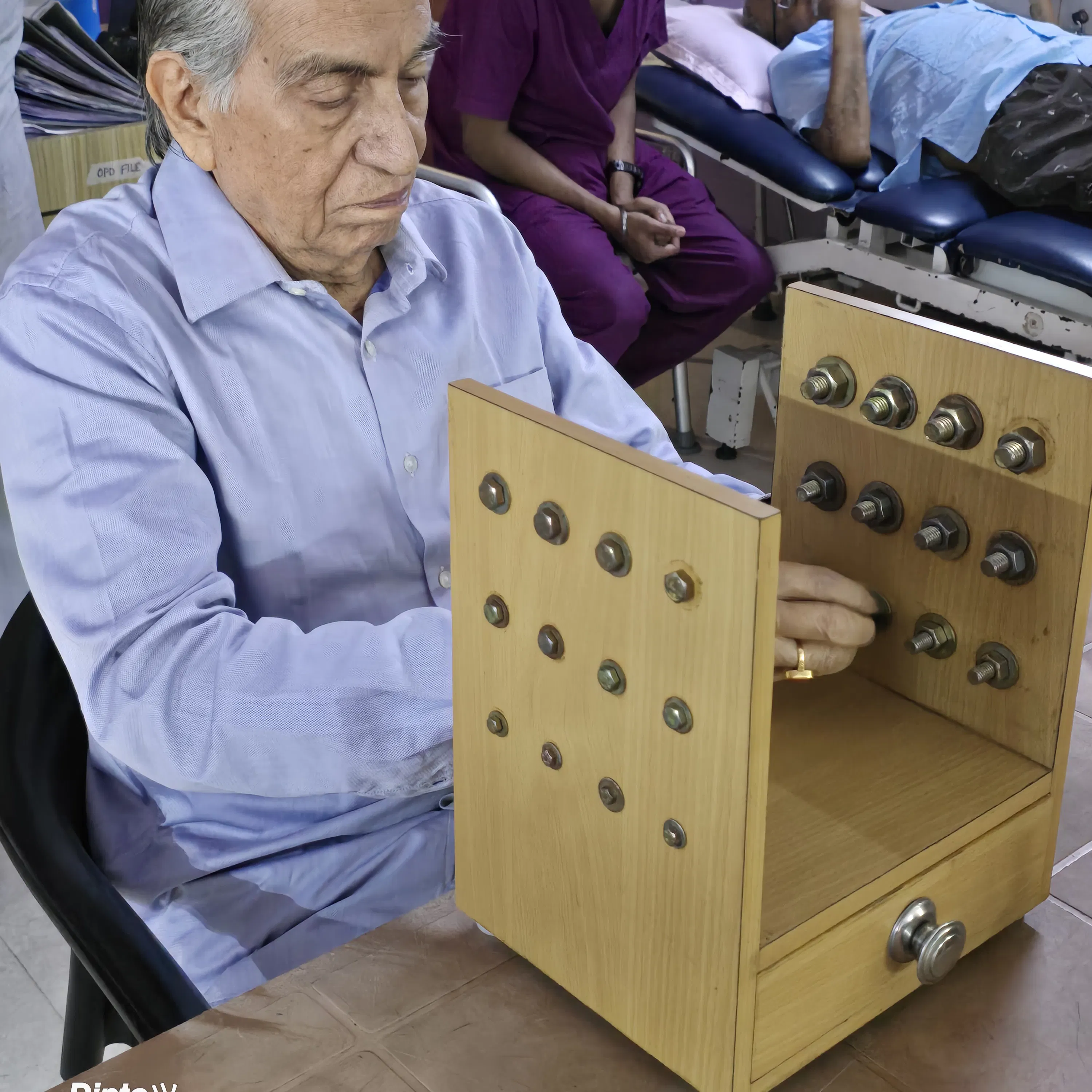
Recovery outlook: This is often one of the more recoverable forms of paralysis. With focused paralysis rehabilitation especially when it's started early many patients regain significant function. We've seen patients at Rehabana who came in unable to grip a spoon and left feeding themselves independently.

This is probably the most common type we see at our center. The entire left side or entire right side of the body stops working arm, leg, sometimes even facial muscles.
If your loved one had a stroke, there's a strong chance this is what they're dealing with.
Here's something families often don't realize hemiplegia doesn't just affect movement. It can affect sensation too. Your father might not feel hot or cold on the affected side. He might struggle with balance even while sitting. He might have difficulty speaking if the stroke hit certain areas.
Common causes: Stroke is the number one reason. Also traumatic brain injuries and brain tumors.
Recovery outlook: Hemiplegia recovery varies a lot from person to person. Some people recover quite well within months. Others take longer. The truth? It depends on how severe the stroke was, how quickly rehab started, and how consistent the therapy is. What we tell every family at Rehabana is this the brain has an incredible ability to rewire itself. It's called neuroplasticity. And with the right doctor-led rehab program, many patients surprise everyone, including themselves.
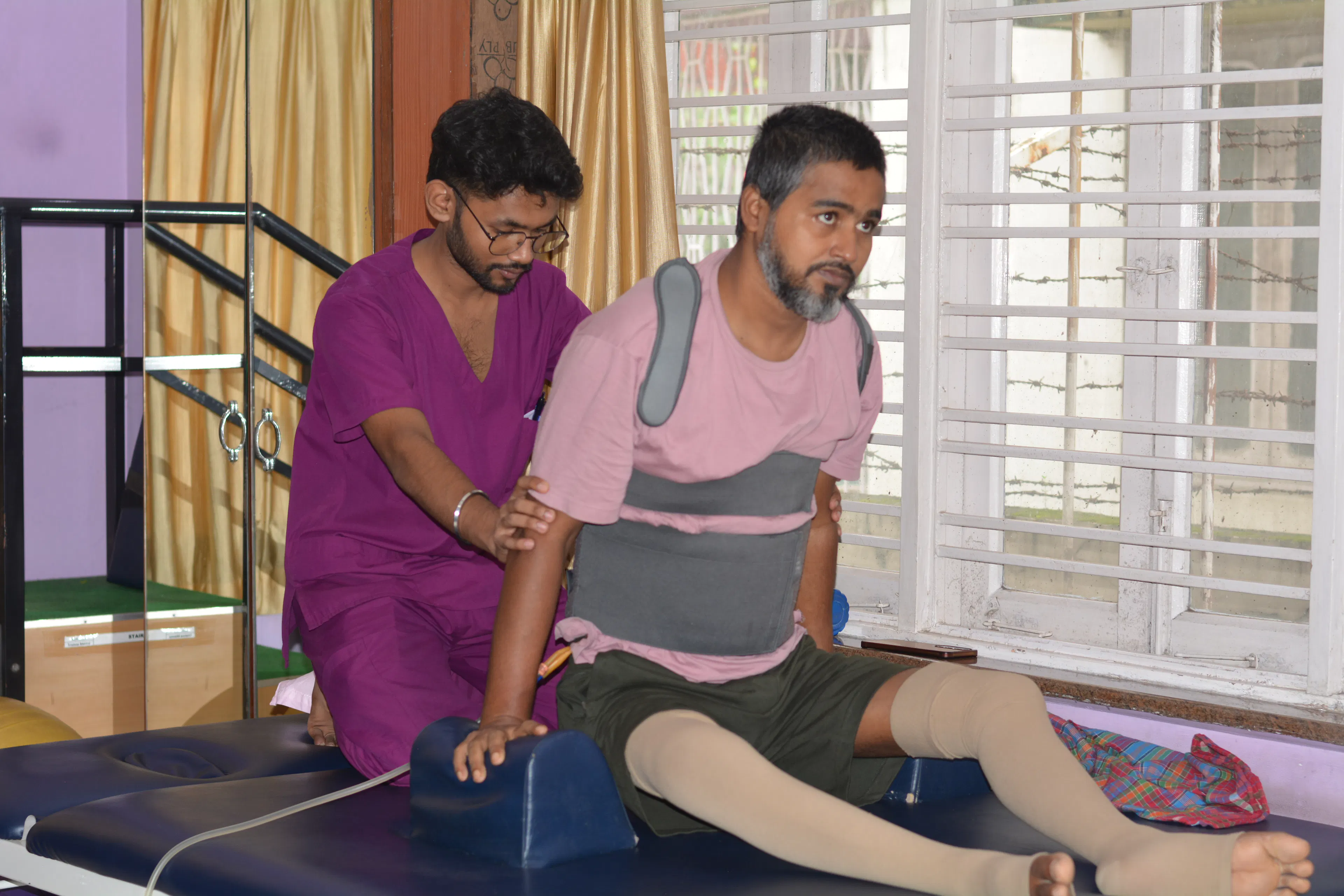
When someone says "paralysis from the waist down," they're talking about paraplegia.
This usually happens because of spinal cord injuries often from road accidents, falls from heights, or sometimes surgical complications. The brain is perfectly fine. The person is fully alert, thinking clearly, wanting to move. But the signals simply can't travel past the damaged part of the spinal cord.
This is emotionally one of the hardest types for families to accept. Because the person looks "normal" from the waist up but can't stand, walk, or sometimes even feel their legs.
Common causes: Spinal cord injury (usually in the mid or lower back region), spinal tumors, infections like transverse myelitis.
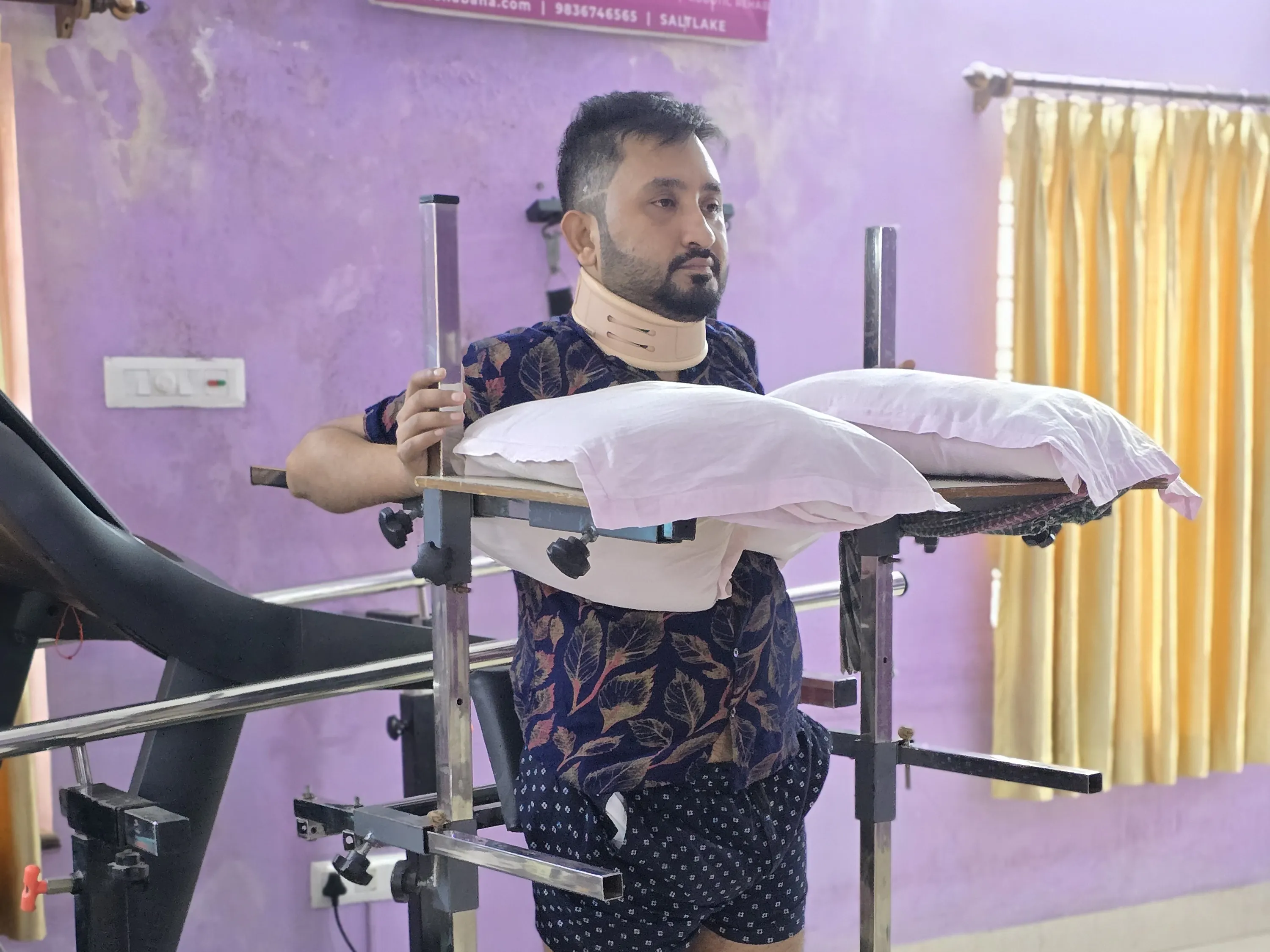
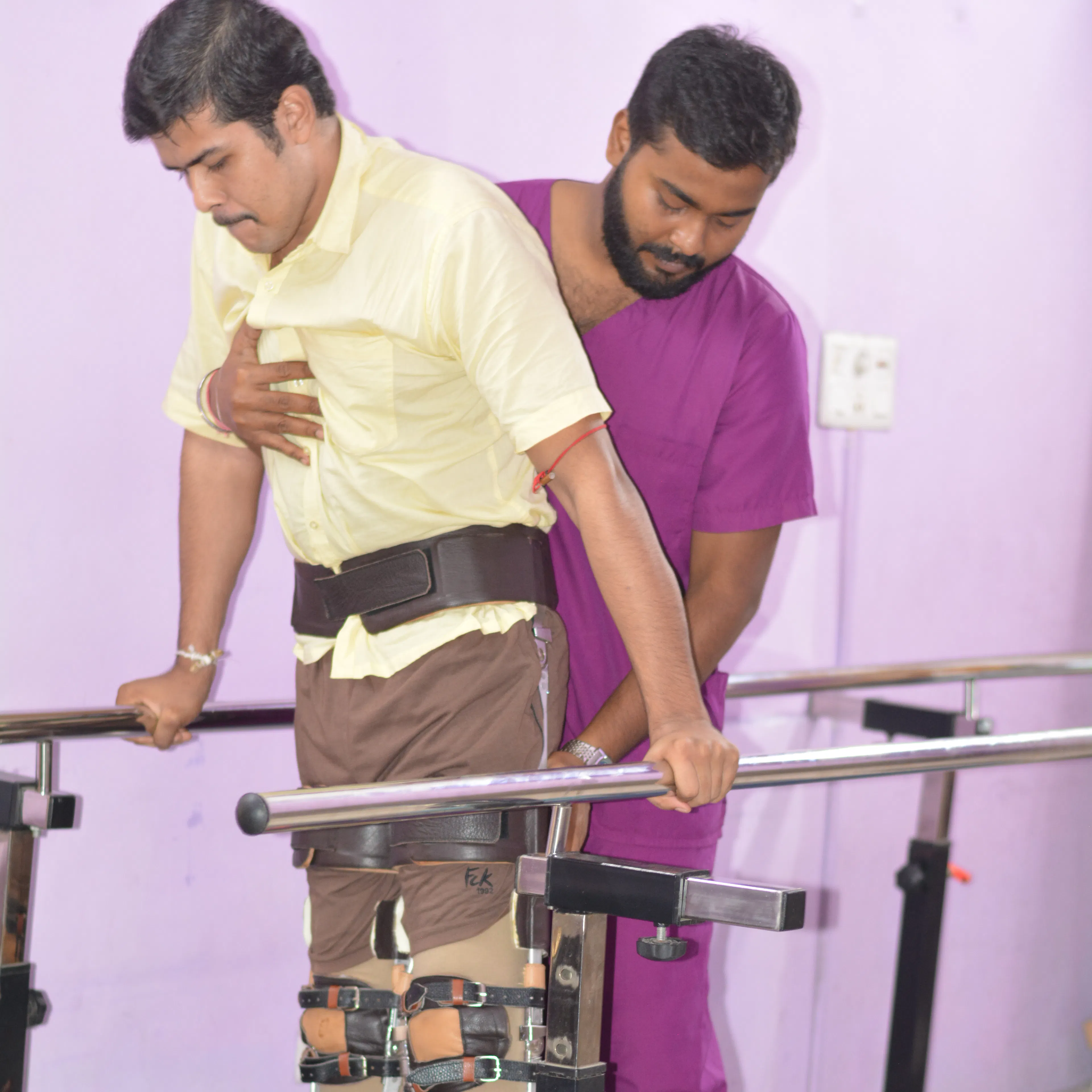
Recovery outlook: Let me be straight with you complete spinal cord injuries are harder to recover from than incomplete ones. But "harder" doesn't mean "impossible." Incomplete injuries, where some signals still pass through, often respond well to intensive rehab. Patients can regain partial movement, learn to walk with aids, and significantly improve their independence. Advanced technology like robotic-assisted therapy, which we use at Rehabana, plays a huge role here.
Read More: Role of Occupational Therapy After Stroke in Regaining Independence
This is the most severe form. Both arms and both legs are affected. Sometimes trunk muscles and even breathing muscles are involved.
Quadriplegia usually results from injuries high up in the spinal cord in the neck region. A diving accident. A bad fall. A severe road accident.
For families, this diagnosis feels like the world has ended. I won't sugarcoat it this is a tough journey. But I've also seen families come through it with incredible strength, and patients achieve things nobody expected.
Common causes: High-level spinal cord injury (cervical region), severe traumatic brain injury, advanced neurological diseases.
Recovery outlook: Recovery depends heavily on whether the injury is complete or incomplete. Even in severe cases, structured rehab helps patients gain some upper body function, improve breathing capacity, and become more independent in daily activities. Small victories matter enormously here. Being able to operate a wheelchair independently, feeding oneself, using a phone these things restore dignity. And dignity matters more than people realize.

Not all paralysis involves arms and legs. Sometimes it hits the face.
Bell's palsy is the most common example. One side of the face droops. The eye won't close properly. Smiling looks lopsided. Eating and drinking become messy and embarrassing.
It sounds minor compared to other types, but the emotional impact is enormous. People stop wanting to go outside. They avoid video calls with family. They feel like they've lost a part of their identity.
Common causes: Bell's palsy, stroke, nerve damage during surgery, infections.
Recovery outlook: The good news? Most cases of Bell's palsy recover on their own within weeks to months. Stroke-related facial paralysis takes longer but responds well to targeted therapy. Speech and language pathologists, like the ones on our team at Rehabana, work specifically on facial muscle retraining and swallowing therapy.

Here's a mistake almost every family makes and I say this with complete empathy because it comes from a place of love.
They wait.
They bring the patient home from the hospital and think, "Let them rest for a few weeks. Let them get stronger. Then we'll think about rehab."
Those weeks? They're some of the most valuable weeks for recovery.
The brain's ability to rewire itself is highest in the early weeks and months after an injury. Every day you wait is a day of potential progress lost. This doesn't mean you rush someone who's medically unstable. But the moment your doctor says the patient is stable enough, start rehab.
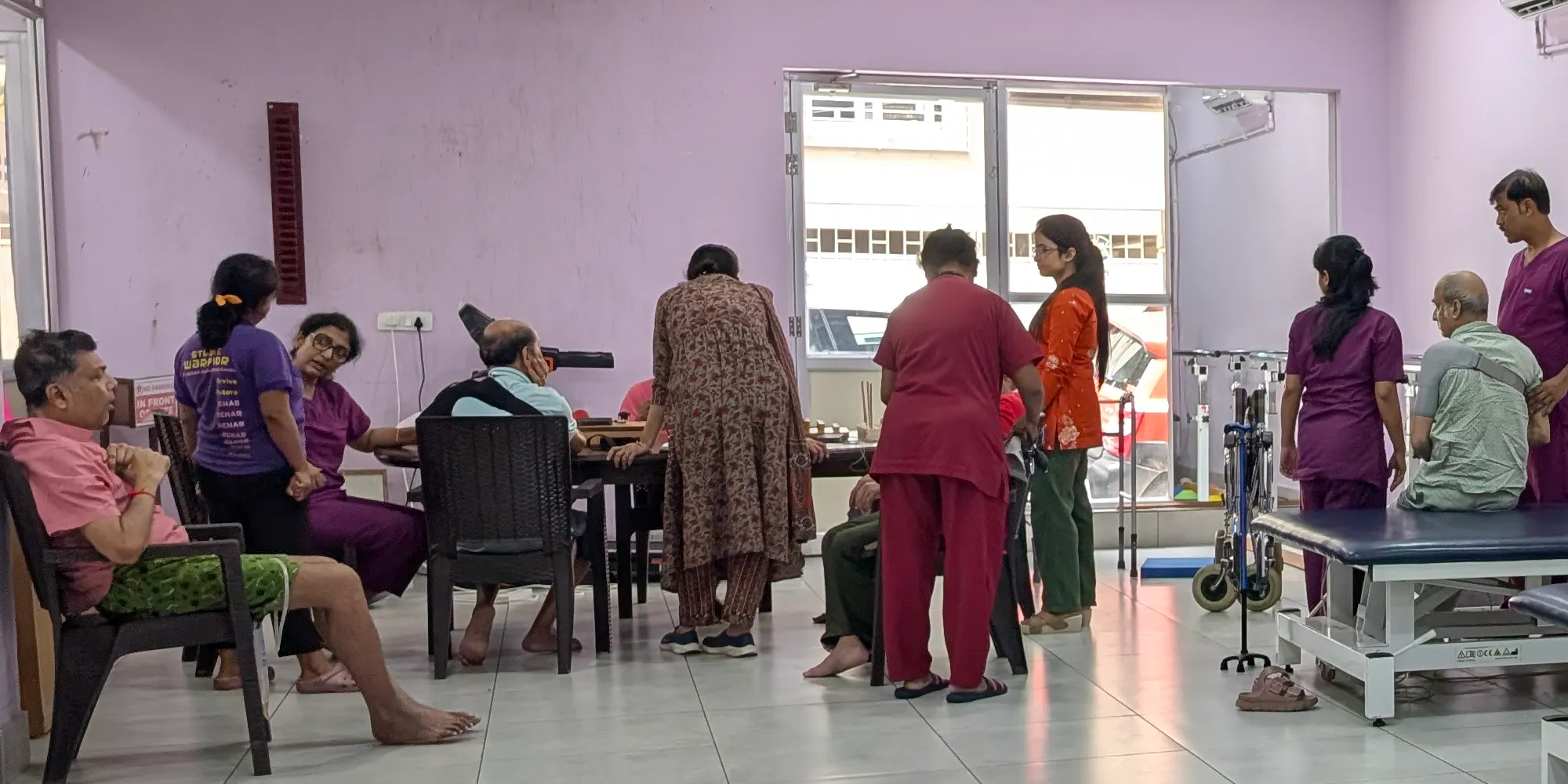
At Rehabana, our programs are designed and supervised by doctors with MD in Physical Medicine and Rehabilitation. Not just physiotherapists. Actual rehabilitation physicians who set specific, realistic goals for your loved one and review progress every two weeks. If something isn't working, they adjust the plan. That kind of medical oversight makes a real difference.

Let me paint you an honest picture.
Recovery from paralysis is not like what you see in movies. There's no single dramatic moment where someone suddenly stands up and walks. Real recovery is slow. It's incremental. Some weeks you'll see noticeable progress. Other weeks will feel frustrating and stuck.
But here's what recovery does look like:
Week 1-2: Your loved one starts sitting up with support. Small finger movements return.
Month 1-2: They're feeding themselves with the affected hand. Standing with help during therapy.
Month 3-6: Walking short distances with a walker. Speaking more clearly. Dressing independently.
Month 6-12: Walking longer distances. Returning to some daily activities. Confidence rebuilding.
This isn't a fixed timeline. Every patient is different. Some move faster. Some need more time. The key is consistency and expert guidance not shortcuts.
Here's a question families in Kolkata ask us all the time:
"Why can't we just hire a physiotherapist to come home? Why do we need a dedicated rehab center?"
Fair question. Here's the honest answer.
A home physiotherapist can do basic exercises. But neurological recovery isn't basic. It requires advanced technology robotic therapy, functional electrical stimulation, specialized equipment that simply cannot fit in a bedroom. It requires a full team not just a physiotherapist, but occupational therapists, speech therapists, psychologists, and a rehabilitation physician overseeing everything.
Most importantly, it requires a customized, goal-oriented plan that gets reviewed and adjusted regularly based on how the patient is progressing.
That's what Rehabana was built for. We're not a hospital trying to do rehab on the side. Neuro rehab is all we do. It's in our name Neuro Rehab means Rehabana.
If you've read this far, chances are you're not just casually browsing. Someone you love is going through this. And you're carrying a weight that nobody around you fully understands.
I want you to know something. You are not alone in this. And your loved one's story is not over.
Paralysis is a chapter. A hard, painful, life-altering chapter. But with the right care, the right team, and the right mindset it doesn't have to be the last chapter.
If you want to talk about what recovery could look like for your specific situation, we're here. No pressure. No sales pitch. Just an honest conversation.
Knowledge That Guides Recovery
Get expert neuro rehabilitation tips from the doctors at Rehabana, Kolkata — simple guidance on stroke recovery, spinal cord injury rehab, Parkinson’s care, and enhancing quality of life after neurological conditions.
Returning to West Bengal after hospital treatment? Continue structured, multidisciplinary Neuro Rehabilitation closer to home with Rehabana.
Read More
Join the Neuro Rehabilitation Support Network, a community initiative convened by Rehabana. Connect with survivors, caregivers and professionals to learn, share and rebuild life together.
Read More
Complete Parkinson's home care guide for families, rehabilitation, safety and daily living.
Read More