If your family member has Parkinson's disease, the most important priorities are timely medication, regular Neuro Rehabilitation, safe mobility, adequate nutrition, exercise, emotional support and continuous monitoring. Parkinson's disease cannot currently be cured, but with structured multidisciplinary care many people continue living independently for years. This guide explains exactly how Indian families can provide the best home care while improving quality of life.
Parkinson's disease is a progressive neurological disorder that affects movement, balance, coordination, speech, and many other body functions. It occurs when nerve cells in the brain gradually stop producing enough dopamine, a chemical that helps control smooth and coordinated movements. Although Parkinson's disease has no cure, early diagnosis, medications, Neuro Rehabilitation, regular exercise, and family support can significantly improve independence, reduce disability, and enhance quality of life for people living with Parkinson's disease.
Parkinson's disease develops when specialized nerve cells (neurons) in a part of the brain called the substantia nigra gradually degenerate and produce less dopamine. Dopamine is a neurotransmitter that helps control smooth, coordinated body movements. As dopamine levels decline, communication between different areas of the brain becomes disrupted, leading to movement problems such as tremors, stiffness, slowness, and balance difficulties. Over time, Parkinson's disease can also affect thinking, mood, sleep, speech, swallowing, and other body functions.
Dopamine acts as a messenger between brain cells, allowing the brain to coordinate voluntary movements. In Parkinson's disease, dopamine deficiency makes movements slower, less coordinated, and more difficult to initiate. This is why people with Parkinson's often experience slowed walking, muscle rigidity, tremors, reduced facial expressions, and difficulty maintaining balance.
No. Although Parkinson's disease is widely recognized as a movement disorder, it also affects many non-motor functions. Changes in other brain chemicals, including serotonin and norepinephrine, can lead to depression, anxiety, constipation, sleep disturbances, reduced sense of smell, memory problems, fatigue, and autonomic dysfunction. These non-motor symptoms may appear years before the classic movement symptoms.
Parkinson's disease causes both motor symptoms and non-motor symptoms that gradually worsen over time. Early recognition and treatment can help maintain independence and improve quality of life.
The four cardinal motor symptoms include:
Other movement-related symptoms may include:
Many people experience symptoms unrelated to movement, including:
Non-motor symptoms can significantly affect daily living and often require multidisciplinary management, including Neuro Rehabilitation.
The exact cause of Parkinson's disease remains unknown. In most people, the disease results from a combination of genetic factors, age-related changes, and environmental influences that gradually damage dopamine-producing brain cells.
Researchers believe Parkinson's disease develops through a complex interaction between inherited susceptibility and environmental exposures rather than a single identifiable cause.
Possible contributing factors include:
Most people with Parkinson's disease have no clear family history.
Several factors increase the likelihood of developing Parkinson's disease, although having one or more risk factors does not necessarily mean a person will develop the condition.
Increasing age: The risk rises significantly after the age of 60 years.
Male sex: Men are approximately 1.5 times more likely than women to develop Parkinson's disease.
Family history: Having a close relative with Parkinson's disease slightly increases risk, although most cases are not inherited.
Environmental exposure: Long-term exposure to pesticides, herbicides, and certain industrial chemicals may increase risk.
Head injury: Repeated traumatic brain injuries have been associated with a higher risk of Parkinson's disease.
Lifestyle and environmental factors: Ongoing research is exploring the role of inflammation, air pollution, and other environmental exposures.
Parkinson's disease is one of the fastest-growing neurological disorders worldwide, and the number of people living with the condition is steadily increasing in India due to population ageing.
Current estimates suggest:
As India's elderly population continues to grow, the burden of Parkinson's disease is expected to increase substantially. Early diagnosis, timely medication, and comprehensive Neuro Rehabilitation are essential to reduce disability, maintain independence, and improve long-term quality of life for people living with Parkinson's disease.
Family members play a vital role in helping a person with Parkinson's disease maintain independence, safety, and quality of life. The most effective home care includes following a structured daily routine, ensuring medications are taken on time, encouraging regular movement and exercise, providing balanced nutrition, communicating patiently, and creating a safe home environment. Home care should always be combined with regular medical follow-up and Neuro Rehabilitation, as rehabilitation helps preserve mobility, independence, communication, swallowing, and overall function throughout the course of the disease.
People with Parkinson's disease benefit greatly from a predictable daily schedule. A regular routine reduces anxiety, improves independence, and allows medications and activities to work more effectively.
A well-planned day should include:
Family members should encourage the person to perform as many daily activities independently as possible while providing assistance only when necessary. Promoting independence helps preserve confidence, physical function, and self-esteem.
Medication is one of the most important aspects of Parkinson's care. Many Parkinson's medications work best when taken at precise times, and even small delays may lead to worsening symptoms such as stiffness, slowness, tremors, or difficulty walking.
Caregivers should:
Some Parkinson's medications may interact with high-protein meals. Follow your doctor's or dietitian's advice regarding meal timing if this applies to your medication regimen.
Reduced movement is one of the major causes of disability in Parkinson's disease. Regular physical activity helps maintain mobility, balance, posture, flexibility, and overall fitness.
Family members should encourage:
During episodes of freezing of gait:
Allow extra time for movement and avoid rushing.
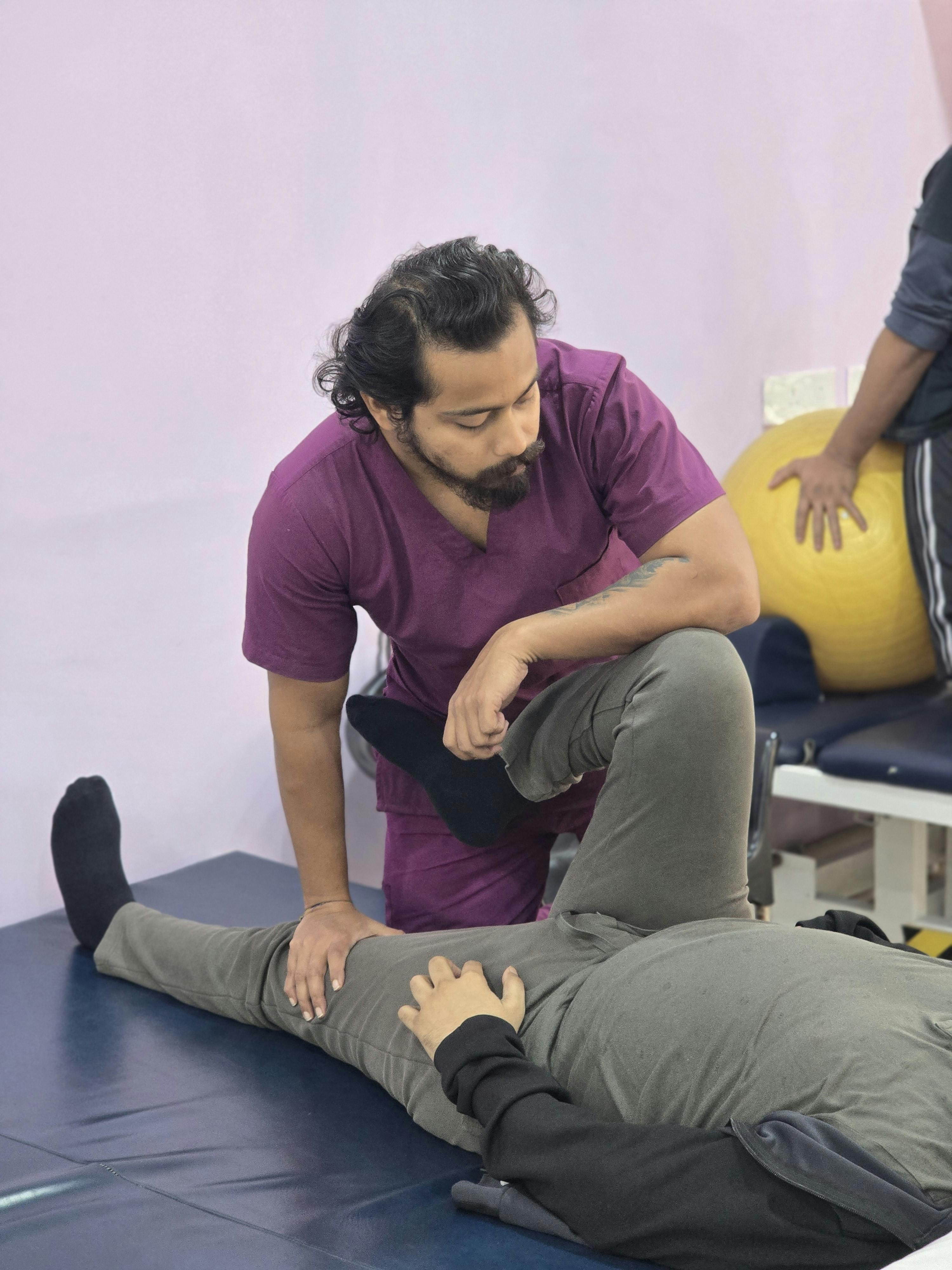
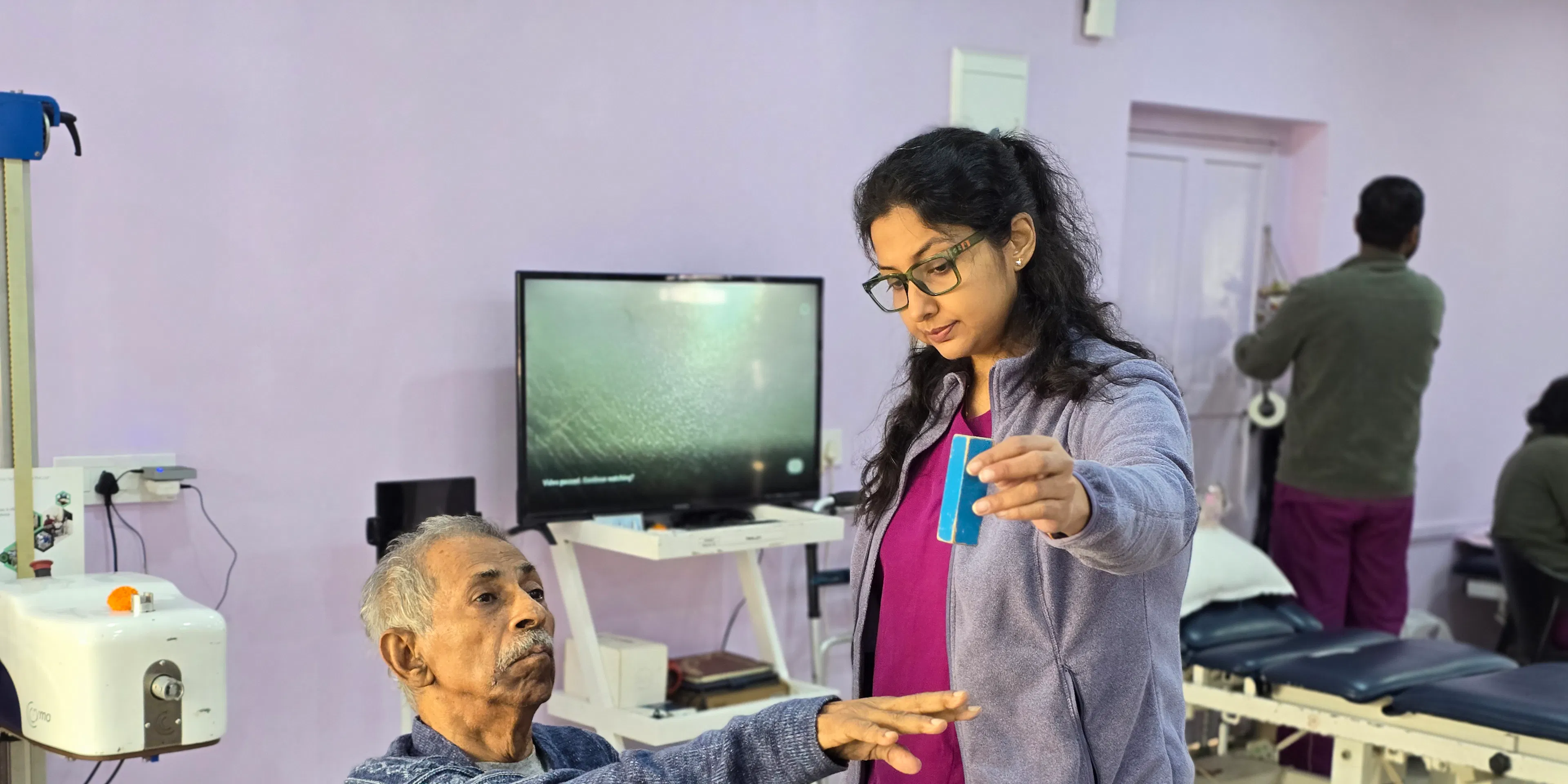
Medication alone cannot address all the challenges of Parkinson's disease. Neuro Rehabilitation is a cornerstone of comprehensive Parkinson's management and should begin as early as possible after diagnosis—not only in advanced stages.
A multidisciplinary Neuro Rehabilitation program may include:
Research consistently shows that combining medication with regular Neuro Rehabilitation improves functional independence, mobility, confidence, participation in daily life, and overall quality of life.
Good nutrition supports energy levels, muscle strength, immunity, and general health.
Family members should encourage:
Watch for signs of swallowing difficulty, including:
If these symptoms occur, seek assessment by a Speech and Language Therapist immediately. Early management can reduce the risk of aspiration pneumonia.
Many people with Parkinson's develop a softer voice, slower speech, reduced facial expression, or difficulty finding words. These changes can make communication frustrating for both the patient and family members.
Family members can help by:
Speech and Language Therapy can significantly improve communication skills and confidence, even in later stages of Parkinson's disease.
Falls are one of the leading causes of injury in Parkinson's disease. A safer home environment can greatly reduce this risk.
Important safety measures include:
Never leave someone with advanced Parkinson's unattended if they are at high risk of falling or have significant cognitive impairment.
Knowledge That Guides Recovery
Get expert neuro rehabilitation tips from the doctors at Rehabana, Kolkata — simple guidance on stroke recovery, spinal cord injury rehab, Parkinson’s care, and enhancing quality of life after neurological conditions.

SCI rehab guide for families after discharge. Skin care, mobility, bladder & bowel management, warning signs, recovery tips and safety steps.
Read More
Stroke rehab guide for families after discharge. Daily support, mobility, feeding, medicines, warning signs, recovery tips and safety steps.
Read More