Neuro Rehabilitation in Kolkata After Hospital Discharge
Returning to West Bengal after hospital treatment? Continue structured, multidisciplinary Neuro Rehabilitation closer to home with Rehabana.
Read MoreNeurological rehabilitation (neuro rehabilitation) helps people rebuild movement, thinking, speech, and confidence after brain injuries, spinal cord injury, or other neurological disorders.
Here’s what neurorehabilitation is truly aiming for – and how the right rehab plan improves function, independence, and quality of life.
If you’re reading this, there’s a good chance you’re walking through something tough - maybe a loved one is recovering from a stroke, traumatic brain injury, or a spinal cord problem, or maybe you’re the one trying to “get back to normal.” And honestly, neuro recovery can feel confusing. Some days look better. Some days feel like nothing is changing. Families often ask us, “What is rehab actually trying to achieve?”
That question matters.
Because neurological rehabilitation isn’t just about doing exercises. It’s a structured way of helping individuals recover from neurological changes - physically, mentally, and emotionally. A strong neurorehabilitation program is designed to help the nervous system relearn skills, reduce loss of function, and support long-term independence.
This is also why choosing the right Neuro Rehabilitation Centre In Kolkata matters. A specialised centre focuses not only on physical recovery, but also on cognition, communication, emotional well-being, and real-world function - so recovery continues beyond the therapy room.
Let’s break down the goal of neurological rehabilitation in simple, practical language - so you understand what “good rehab” should look like.
Neurorehabilitation (also called neuro rehabilitation) is a type of rehabilitation focused on the brain, spinal cord, nerves, and the wider nervous system. It supports people living with a neurological condition – whether that’s stroke, brain injuries, traumatic brain injury, Parkinson’s, multiple sclerosis, cerebral palsy (cerebral conditions), or spinal cord injury.
The purpose of neuro rehabilitation is simple to say, but powerful in real life:
to help patients regain function and independence, and to improve their overall quality of life.
That’s not one goal – it’s many goals working together.
One of the core neurological rehabilitation goals is helping individuals regain independence in everyday routines.
That includes:
This is where occupational therapy helps deeply. Occupational therapists focus on daily living skills – how to do daily tasks safely and confidently, even if the body has changed.
In rehab, we often measure progress by “function,” not just strength. That’s what real recovery looks like.
Many neurological disorders affect the ability to move – walking becomes slow, balance feels uncertain, the risk of falls increases, and one side of the body may feel weak.
A key goal is improving:
This is where physical therapy plays a major role. Physical therapists work on the ability to move, improve motor control, and rebuild confidence in the body.
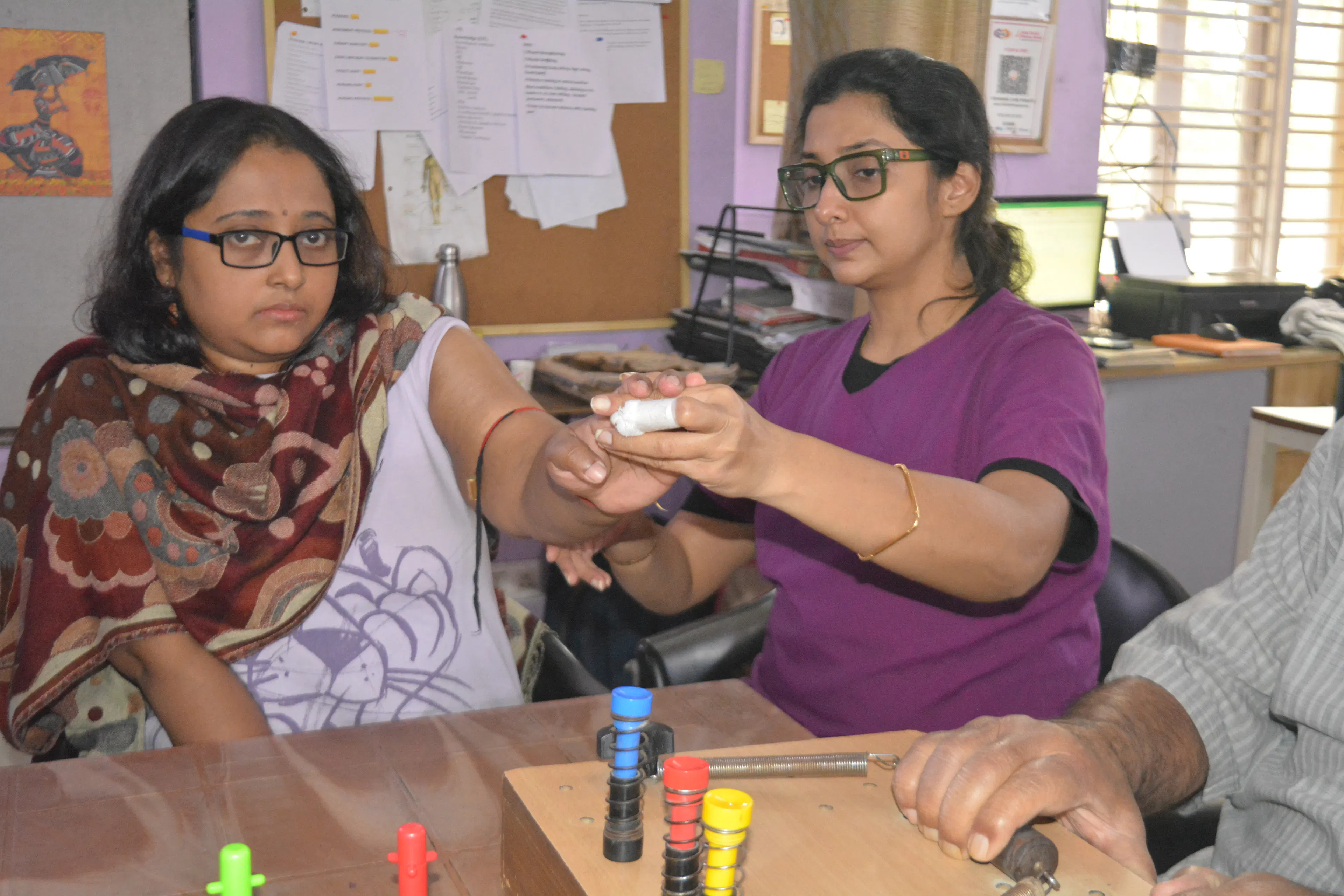
Neuro rehab also targets upper limb rehabilitation – arm and hand movement – because independence in daily life depends heavily on what the hands can do.
Neurological recovery isn’t only about “getting stronger.” It’s also about retraining motor skills.
Neurorehabilitation helps with:
When someone has a loss of function, the body often starts compensating. Rehab corrects that early, so function improves and pain doesn’t develop later.
Recommended: Rehabilitation vs. Therapy: What’s the Difference & Why It Matters
This is one of the most important ideas in modern neuro rehab: neuroplasticity.
Neuroplasticity (also called brain plasticity) means the brain can change and reorganize. When injury happens, the brain tries to repair and reroute itself. Modern neurorehabilitation therapies are built on activity-dependent neuroplasticity research, which shows that repeated, task-specific practice helps the brain form new and stronger neural connections.
In other words, rehab helps increase brain activity in helpful ways – so the brain learns new routes for movement, speech, balance, and thinking.
This is why consistency matters. Rehab isn’t magic. It’s training the nervous system – again and again – until the brain builds new patterns.
A neurological condition doesn’t only affect movement. Many people experience changes in:
This is where cognitive rehabilitation becomes part of the neurorehabilitation program. Cognitive rehab uses structured activities and rehabilitation strategies to improve thinking skills that affect daily living.
Families often notice these changes before the patient does. That’s why rehab supports both the patient and caregiver with education and coping strategies.
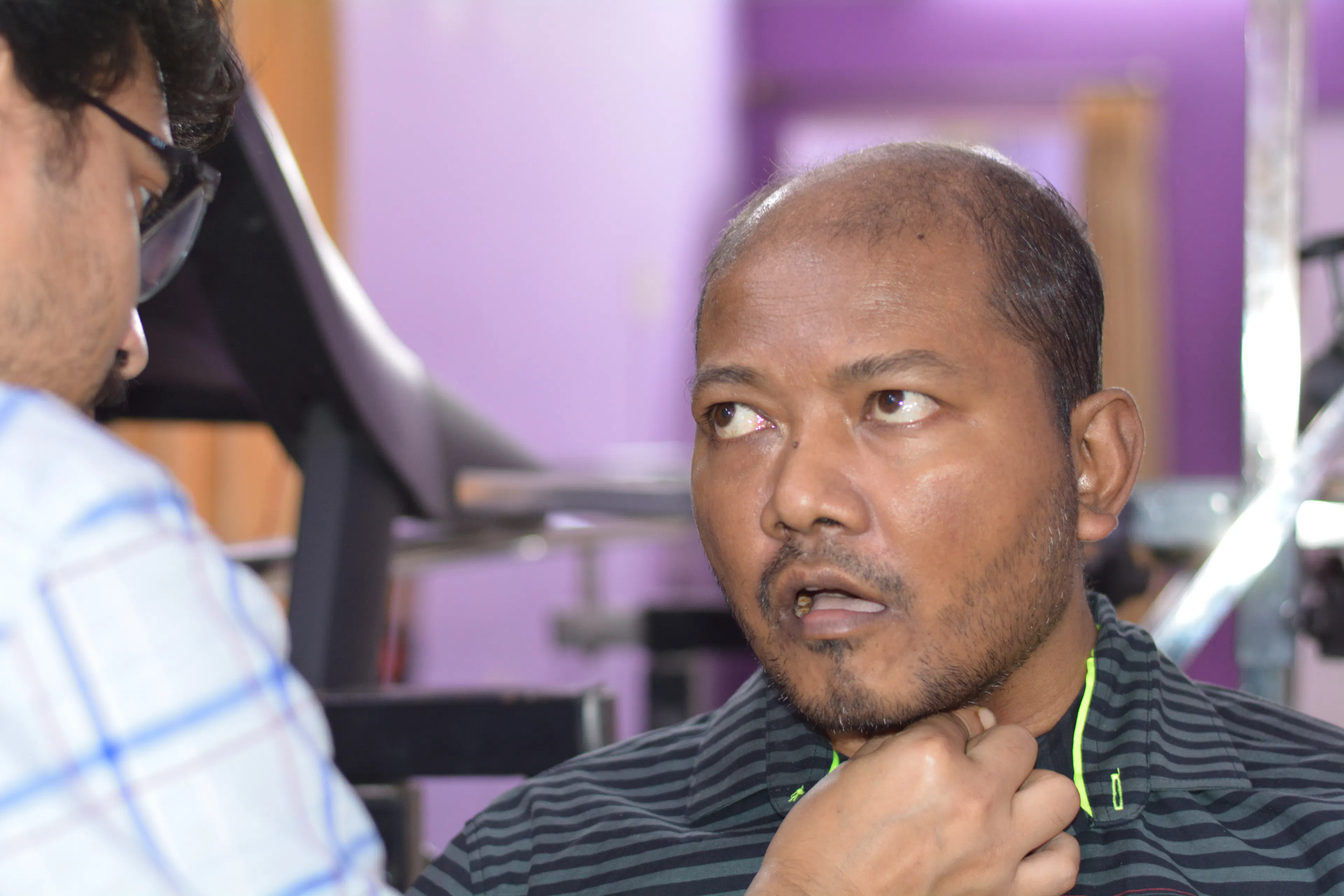
After stroke, traumatic brain injury, or other brain injuries, speech and swallowing can change.
A major goal is helping patients regain:
This is led by speech therapists – often called a speech-language pathologist – who work with patients on speech and swallowing, language, and cognitive-communication skills.
Communication is not “extra.” It’s part of independence and quality of life.
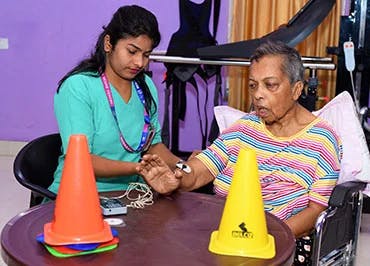
Many neurological disorders affect one side more than the other. Often the arm is slower to recover than the leg, which can be frustrating.
Neuro rehab aims for:
One important technique is constraint-induced movement therapy, where the stronger hand is limited (safely and selectively) to encourage the affected hand to work more. This supports motor recovery by pushing the brain to re-engage weaker pathways.
No two patients are the same. Even with the same diagnosis, recovery looks different.
Effective neurorehabilitation begins with an assessment and then a treatment plan that is designed to help based on:
The best rehab programs individualize care. They don’t use one set of exercises for everyone.
Personalized care is what makes effective rehabilitation programs work.
Know more: Core Components of Rehabilitation -What Most People Get Wrong
Modern neuro rehabilitation may include technology that makes therapy more engaging and measurable.
Depending on the patient, rehab may use:
These are techniques to help increase brain engagement and promote recovery – but they work best when guided by therapists with specialized training.
Technology supports therapy. It doesn’t replace it.
This is one part many families underestimate.
After brain injuries, spinal cord injury, or long-term neurological disorders, people may feel:
A core goal of neurological rehabilitation is supporting the emotional and psychological side of healing. Because emotional health affects motivation, participation, learning, and overall well-being.
When families and caregivers feel supported too, recovery becomes steadier. A caregiver who understands the plan and feels heard is more able to help the patient
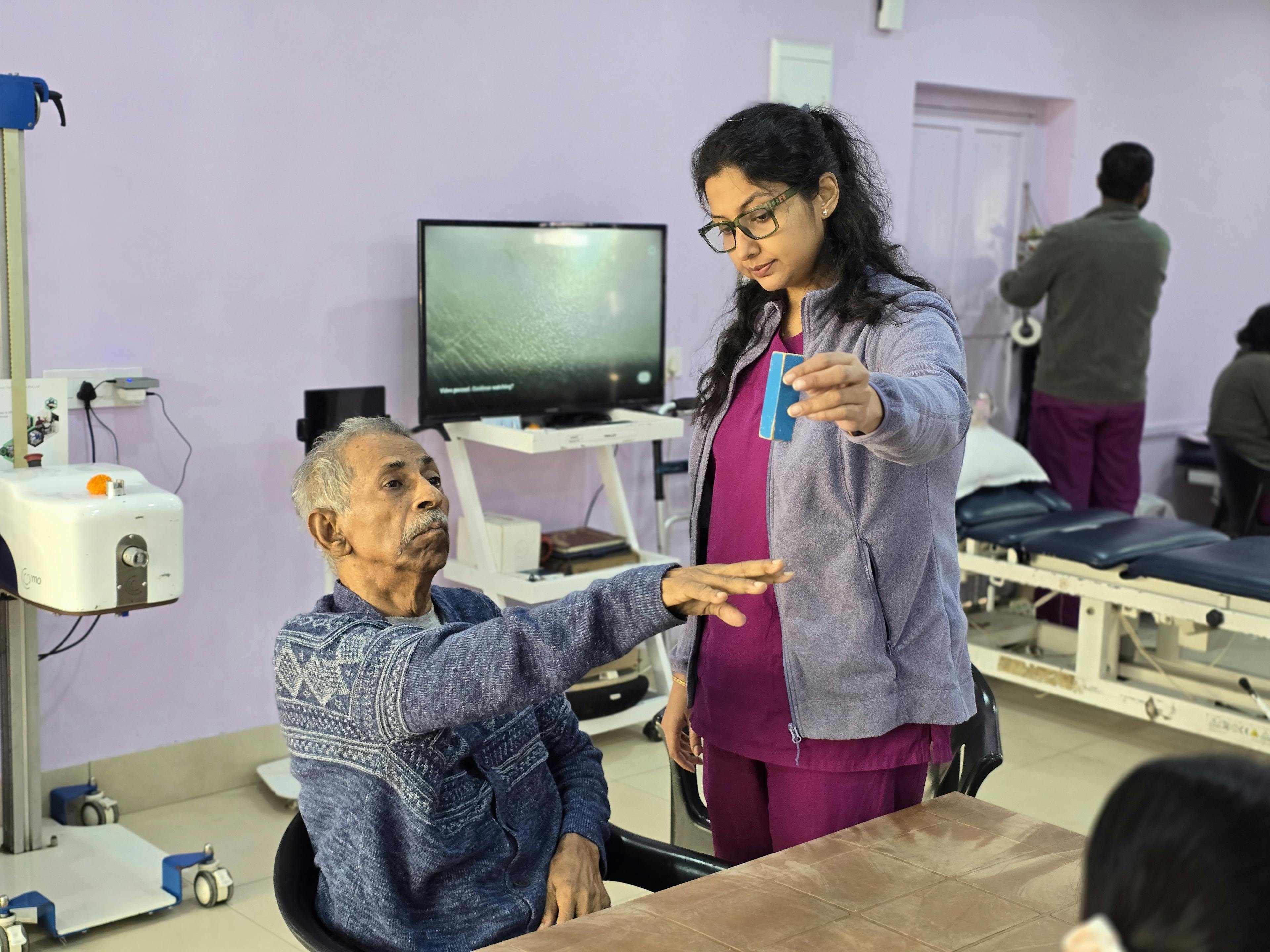
All of these goals come together for one big purpose:
To improve their quality of life and overall quality of life – not just reduce symptoms.
Quality of life includes:
That’s why neurorehabilitation helps even when full recovery is slow. It improves function and independence, even when the condition is chronic.
Families often ask where rehab should happen.
This is a structured setting (like a rehab hospital or rehabilitation unit) where patients receive intensive therapy daily. It’s often recommended early after severe stroke, severe traumatic brain injury, or spinal cord injury – especially when nursing care and close monitoring are needed.
Outpatient therapy is when the patient lives at home and comes for rehab sessions. It’s common during longer-term recovery after brain injury and for chronic neurological conditions like Parkinson’s or multiple sclerosis.
The right rehabilitation setting depends on safety, medical stability, level of function, and home support.
If you’re evaluating a rehab center, look for signs of effective neurorehabilitation:
Effective recovery happens when rehab is consistent, guided, and realistic.
Read more: Role of Rehabilitation Center: Why It Speeds Up Healing More Than You Think
The main goals of neuro rehab aren’t just “exercise goals.” They are life goals.
Neurorehabilitation is focused on helping individuals regain independence, rebuild motor skills, improve brain function, and support emotional and psychological healing. Through neuroplasticity, repeated practice, and a personalized treatment plan, rehabilitation helps patients regain function and improve overall well-being and quality of life.
If you or a loved one is recovering after brain injuries, traumatic brain injury, spinal cord injury, or living with a neurological condition, remember: progress is possible – even when it’s slow. And you don’t have to do it alone.
If you’re looking for doctor-led, team-based neurological rehabilitation in Kolkata, Rehabana is here for you.
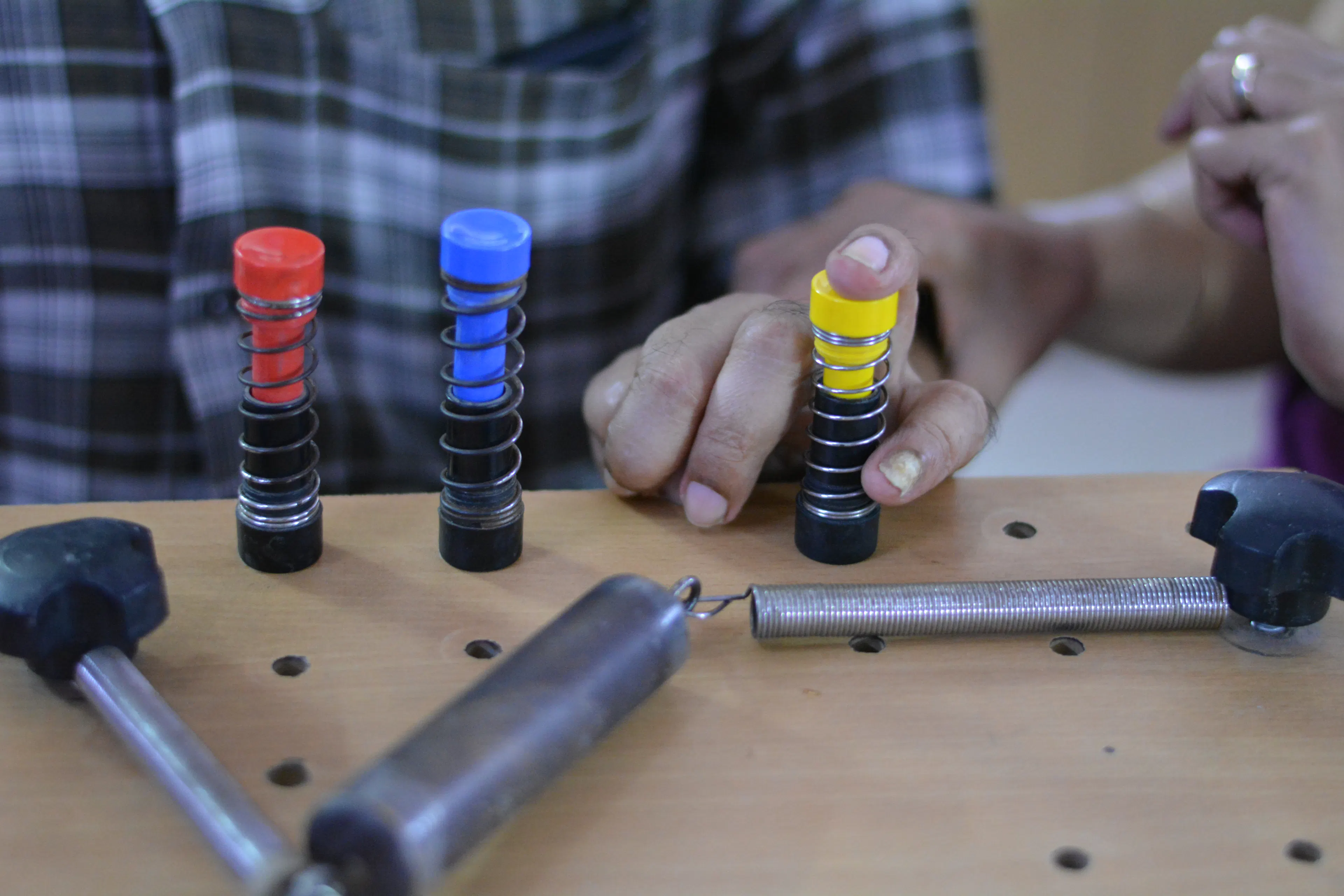
If you or your loved one is recovering from a neurological condition, early and structured rehabilitation can make a real difference. Our doctor-led neuro rehabilitation programs focus on function, independence, and quality of life.
Knowledge That Guides Recovery
Get expert neuro rehabilitation tips from the doctors at Rehabana, Kolkata — simple guidance on stroke recovery, spinal cord injury rehab, Parkinson’s care, and enhancing quality of life after neurological conditions.
Returning to West Bengal after hospital treatment? Continue structured, multidisciplinary Neuro Rehabilitation closer to home with Rehabana.
Read More
Join the Neuro Rehabilitation Support Network, a community initiative convened by Rehabana. Connect with survivors, caregivers and professionals to learn, share and rebuild life together.
Read More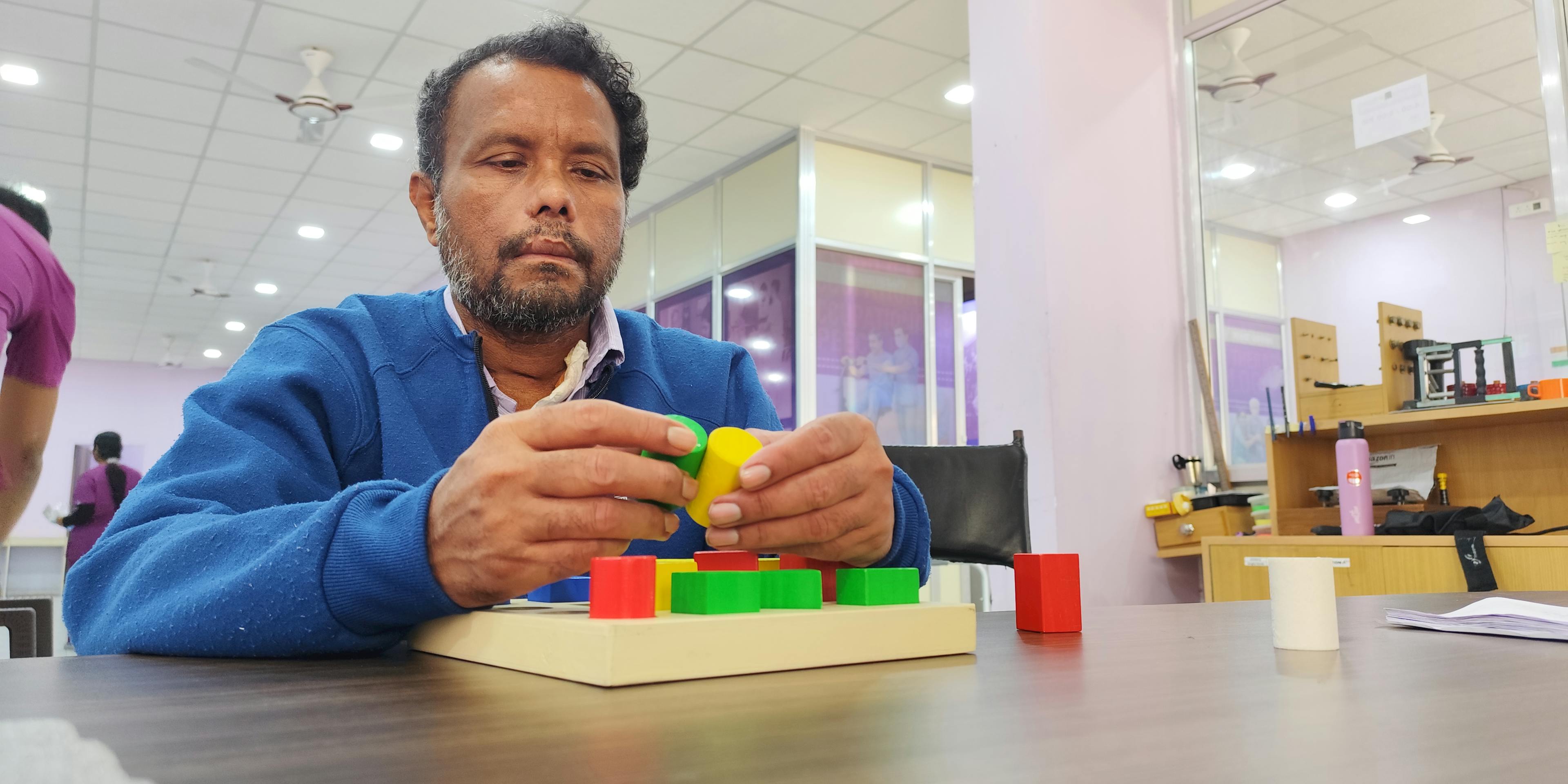
Complete Parkinson's home care guide for families, rehabilitation, safety and daily living.
Read More