There is no cure yet, but treatment can control symptoms well for many years. Here is what is available and what is being researched.
Medicines
Medicines are prescribed and adjusted by a neurologist. Levodopa, which the brain converts into dopamine, is the most effective. Other options include dopamine agonists, MAO-B inhibitors and COMT inhibitors, often used in combination.
Over time, people may notice the effect wearing off before the next dose. Timing doses carefully and keeping a symptom diary helps the neurologist fine-tune treatment.

Beyond tablets
For some people whose symptoms fluctuate despite good medicine management, deep brain stimulation (DBS) is an option. Electrodes placed in the brain are controlled by a device under the skin. It requires careful selection by a specialist team.
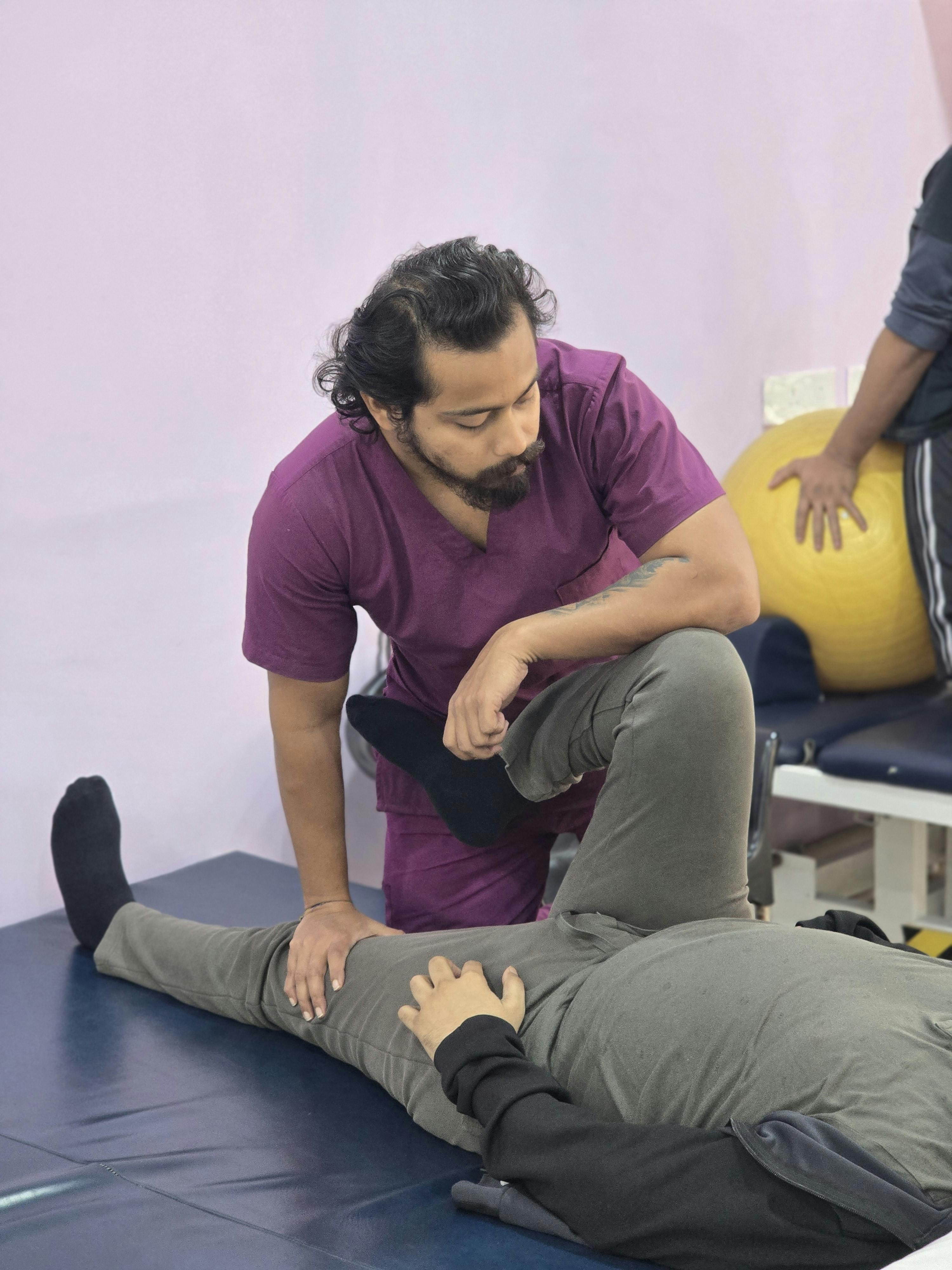
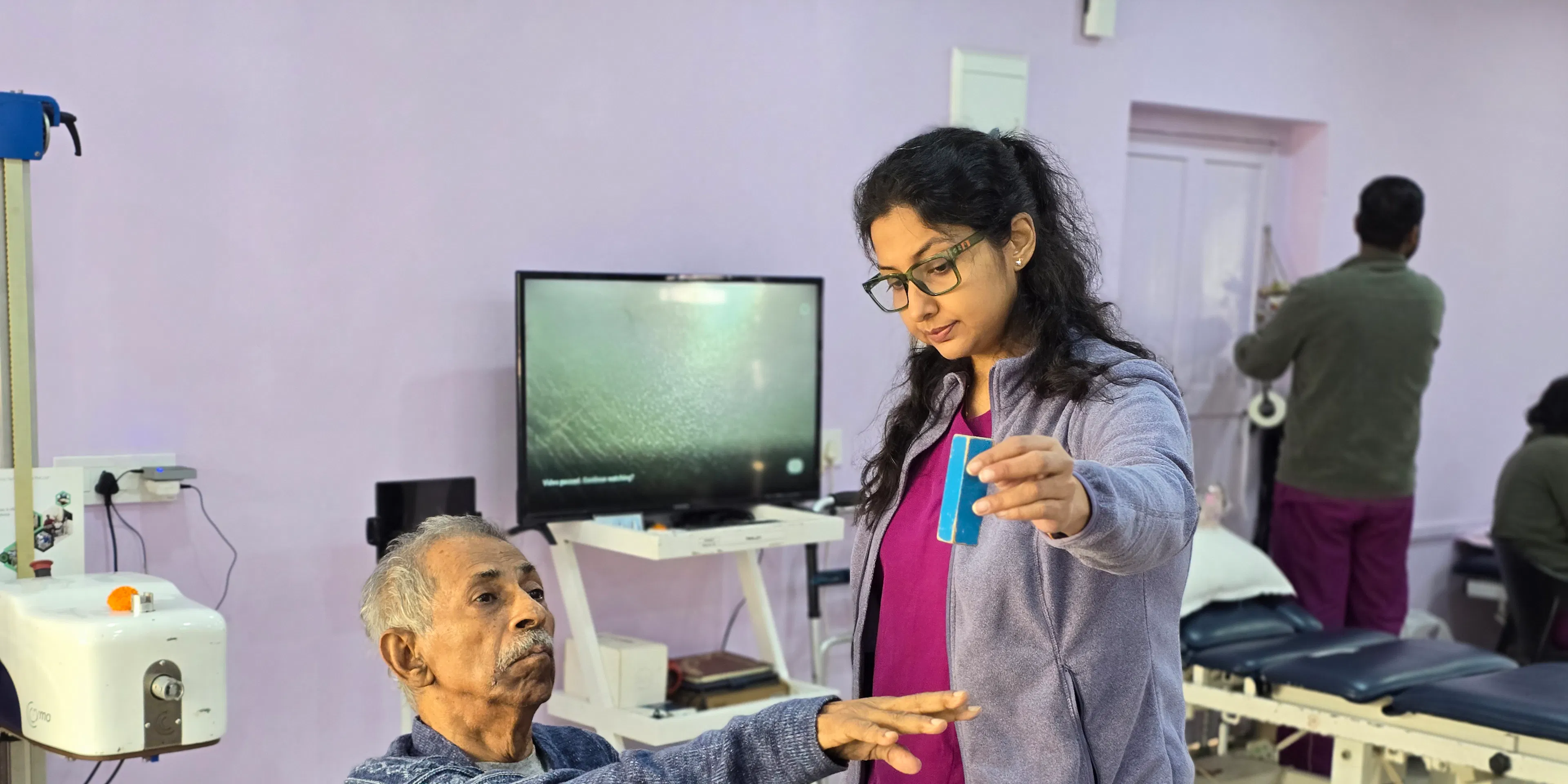
Rehabilitation is the other pillar of treatment. Physiotherapy, occupational therapy, speech therapy and psychological support improve function and quality of life from the time of diagnosis.
Research
Research into Parkinson's is active worldwide, including in India. Indian scientists have reported laboratory work on nano-formulations that deliver drugs such as 17β-oestradiol or melatonin to the brain more precisely, with the aim of protecting nerve cells.
These approaches are experimental and not yet available as treatment. Until they are proven in patients, the best results come from combining medicines with early, consistent rehabilitation.
FAQs
It keeps working, but its effect can become shorter and less smooth. Adjusting doses and adding other medicines usually helps.
Have a question?
Our doctors and therapists can explain what rehabilitation could do in your situation.
Keep reading
Practical advice for families: daily routines, safety at home, medicines, and looking after yourself.

Why walking changes in Parkinson's, what freezing is, and the exercises that help prevent falls.
Sleep, mood, memory, constipation and other symptoms that are not about movement but matter just as much.

Keeping up with dressing, eating, writing and work: how occupational therapy protects independence.
How physiotherapy and regular exercise help people with Parkinson's stay strong, flexible and independent.

What a complete Parkinson's rehabilitation programme looks like, who is in the team, and when to start.
Why the voice gets softer and swallowing gets harder, and how speech therapy, including LSVT LOUD, helps.

The early signs of Parkinson's, the main motor symptoms, and when to see a neurologist.
Best Parkinsons Disease Treatment in Kolkata - Rehabana