How Parkinson's changes the way people walk, and what can be done to keep moving safely.
What changes
Walking normally happens automatically. In Parkinson's, that automatic control weakens, so steps become shorter, arm swing reduces and the body tends to stoop forward.

What helps
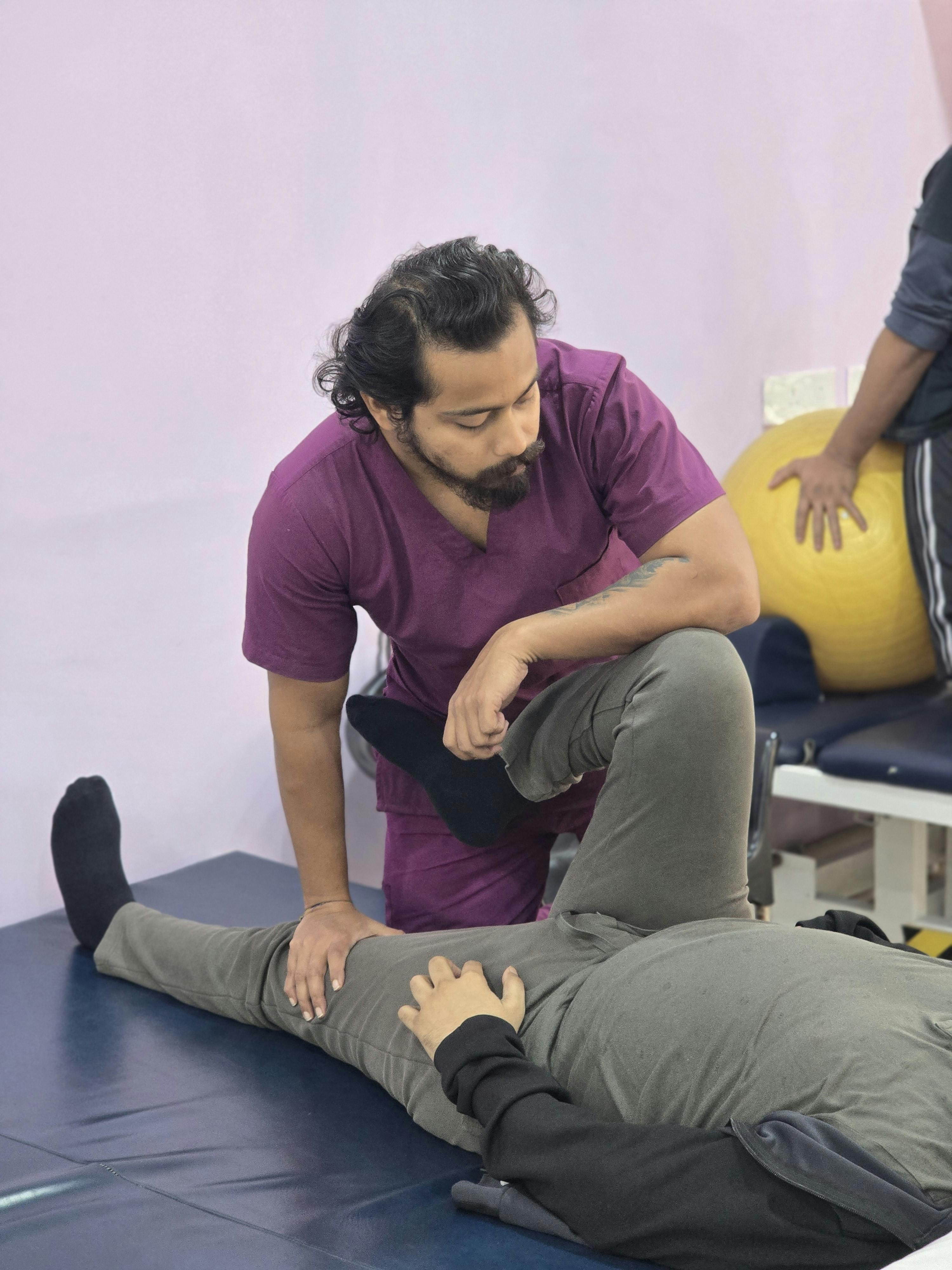
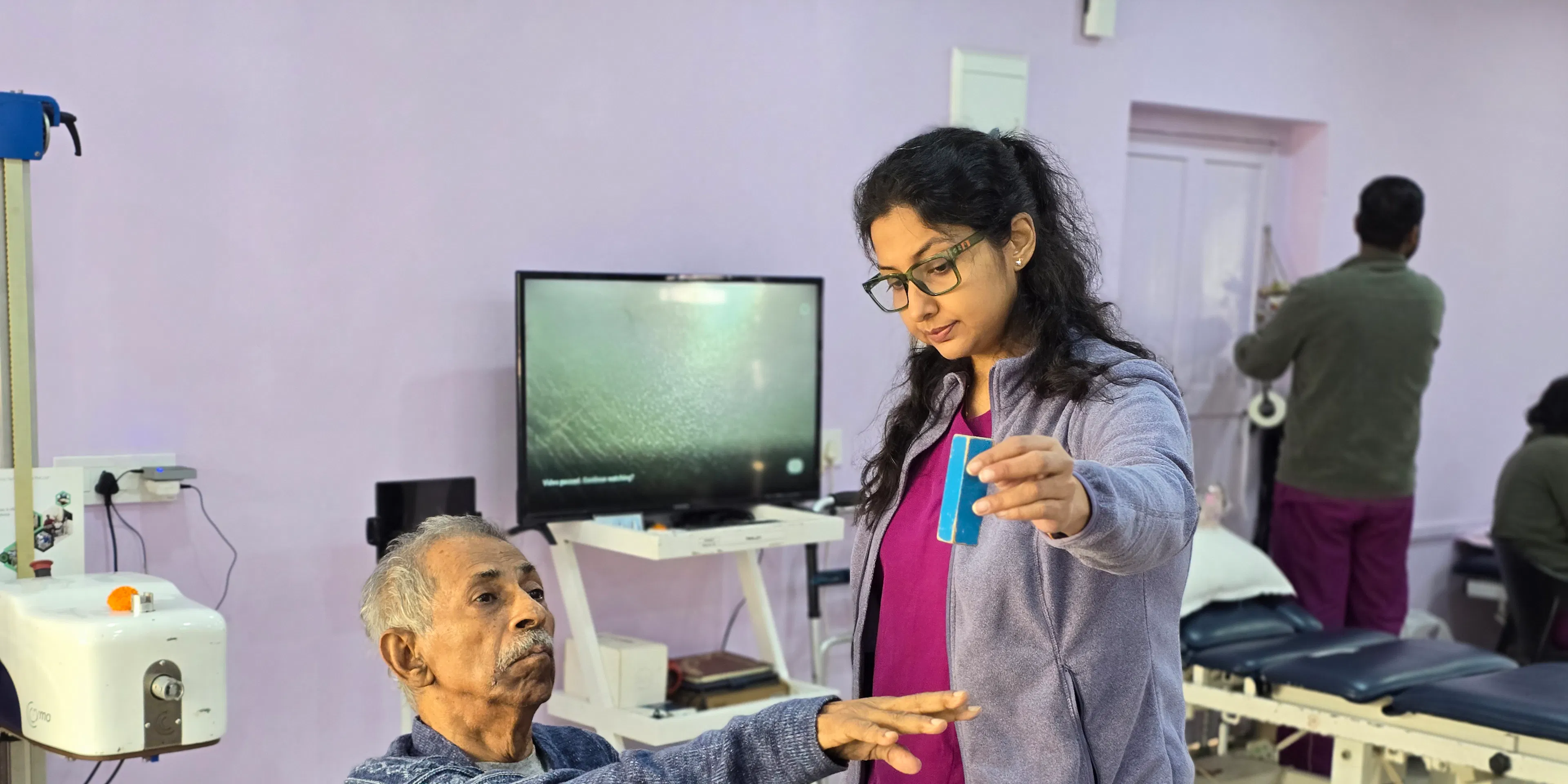
Rehabilitation teaches the brain to control movement consciously, bypassing some of the automatic control that Parkinson's disrupts.
FAQs
Sometimes, but the wrong aid can make freezing worse. A physiotherapist should assess walking before a stick or walker is chosen.
Have a question?
Our doctors and therapists can explain what rehabilitation could do in your situation.
Keep reading
Practical advice for families: daily routines, safety at home, medicines, and looking after yourself.
Sleep, mood, memory, constipation and other symptoms that are not about movement but matter just as much.

Keeping up with dressing, eating, writing and work: how occupational therapy protects independence.
How physiotherapy and regular exercise help people with Parkinson's stay strong, flexible and independent.

What a complete Parkinson's rehabilitation programme looks like, who is in the team, and when to start.
Why the voice gets softer and swallowing gets harder, and how speech therapy, including LSVT LOUD, helps.

The early signs of Parkinson's, the main motor symptoms, and when to see a neurologist.
Medicines, surgery, rehabilitation and the research on the horizon: an overview of Parkinson's treatment.
Best Parkinsons Disease Treatment in Kolkata - Rehabana