Neuro Rehabilitation in Kolkata After Hospital Discharge
Returning to West Bengal after hospital treatment? Continue structured, multidisciplinary Neuro Rehabilitation closer to home with Rehabana.
Read MoreCompassionate motor neurone disease (MND) treatment support at Rehabana. Rehabilitation, therapy and symptom management for people living with MND.
Motor neurone disease (MND) – also called motor neuron disease or amyotrophic lateral sclerosis (ALS) – is a serious neurodegenerative disease that can feel overwhelming for patients and families.
At Rehabana Neuro Rehab Center, we don’t claim a cure for MND, but we do offer motor neuron disease treatment support, rehabilitation and new treatments guidance to help people living with MND maintain comfort, function and dignity for as long as possible.
Our focus is simple:

Motor neurone disease is a group of diseases that affects the motor neurones (or motor neurons) – the nerve cells in the brain and spinal cord that control movement. These motor neurons are nerve cells that send signals from your brain to your muscles so you can walk, talk, swallow and breathe.
In MND:

Doctors describe types of motor neurone disease or types of motor neuron disease based on which motor neurones are most affected and how fast the disease progression is:
Motor Neurone Disease (MND) typically begins with subtle symptoms such as a weakened grip, foot dragging, muscle twitching, or slurred speech. As the disease progresses, localized weakness often spreads, leading to generalized muscle stiffness, visible atrophy, and increased difficulty with motor tasks like swallowing or climbing stairs. In advanced stages, the condition can severely impact mobility and respiratory function. The rate of progression varies significantly between individuals, with some experiencing a rapid decline while others remain stable for longer periods.
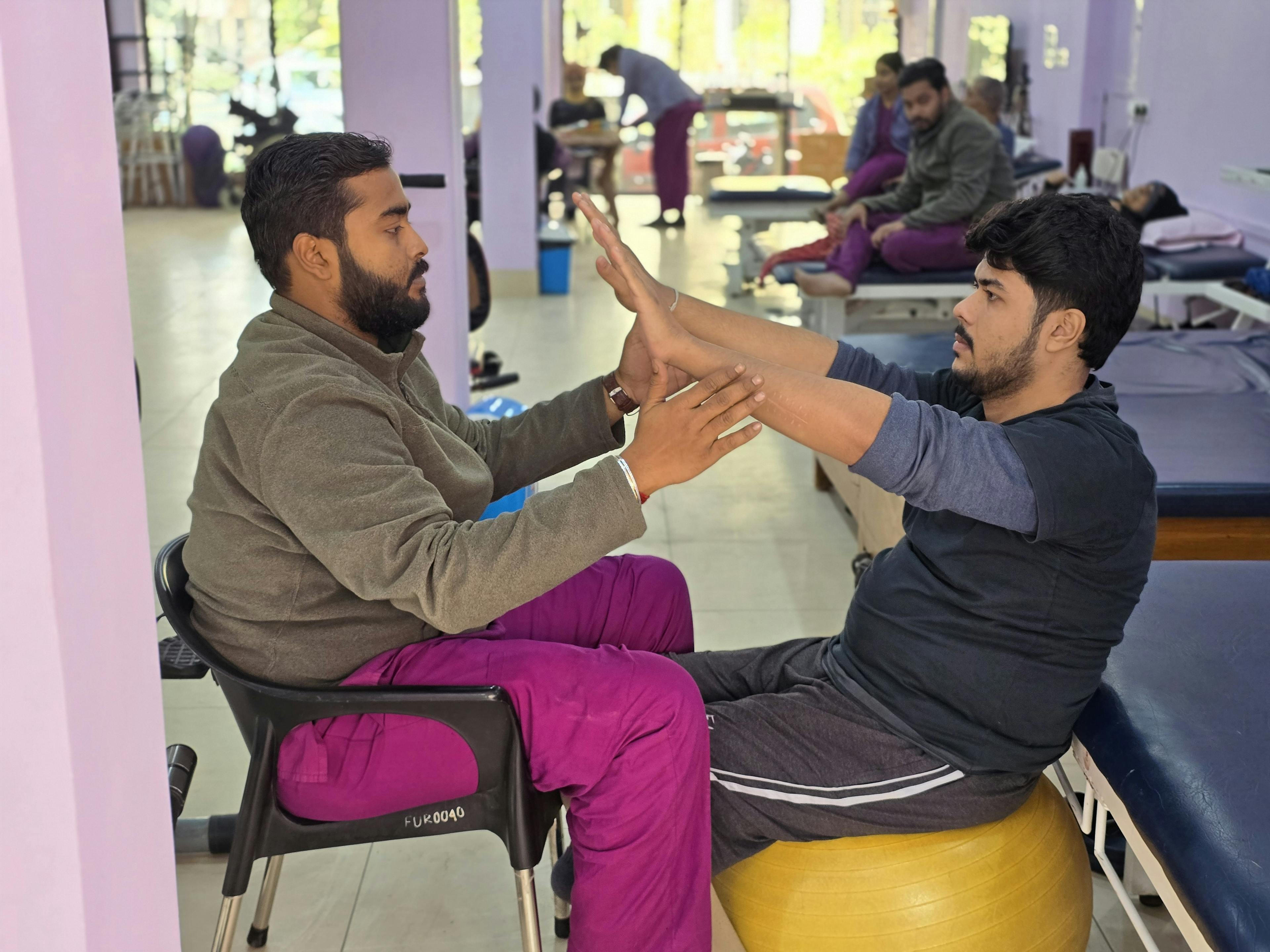
The exact causes of Motor Neurone Disease (MND), including ALS, remain largely unknown. While a small percentage of cases are linked to inherited genetic mutations, most instances are thought to arise from a complex interplay between genetics and environmental factors, often leaving doctors without a single identifiable cause. Consequently, there is currently no known cure or definitive way to prevent the disease. However, management strategies—such as the medication riluzole, supportive rehabilitation, and various symptom-based treatments—can help slow progression, manage symptoms, and significantly improve the quality of life for those affected.
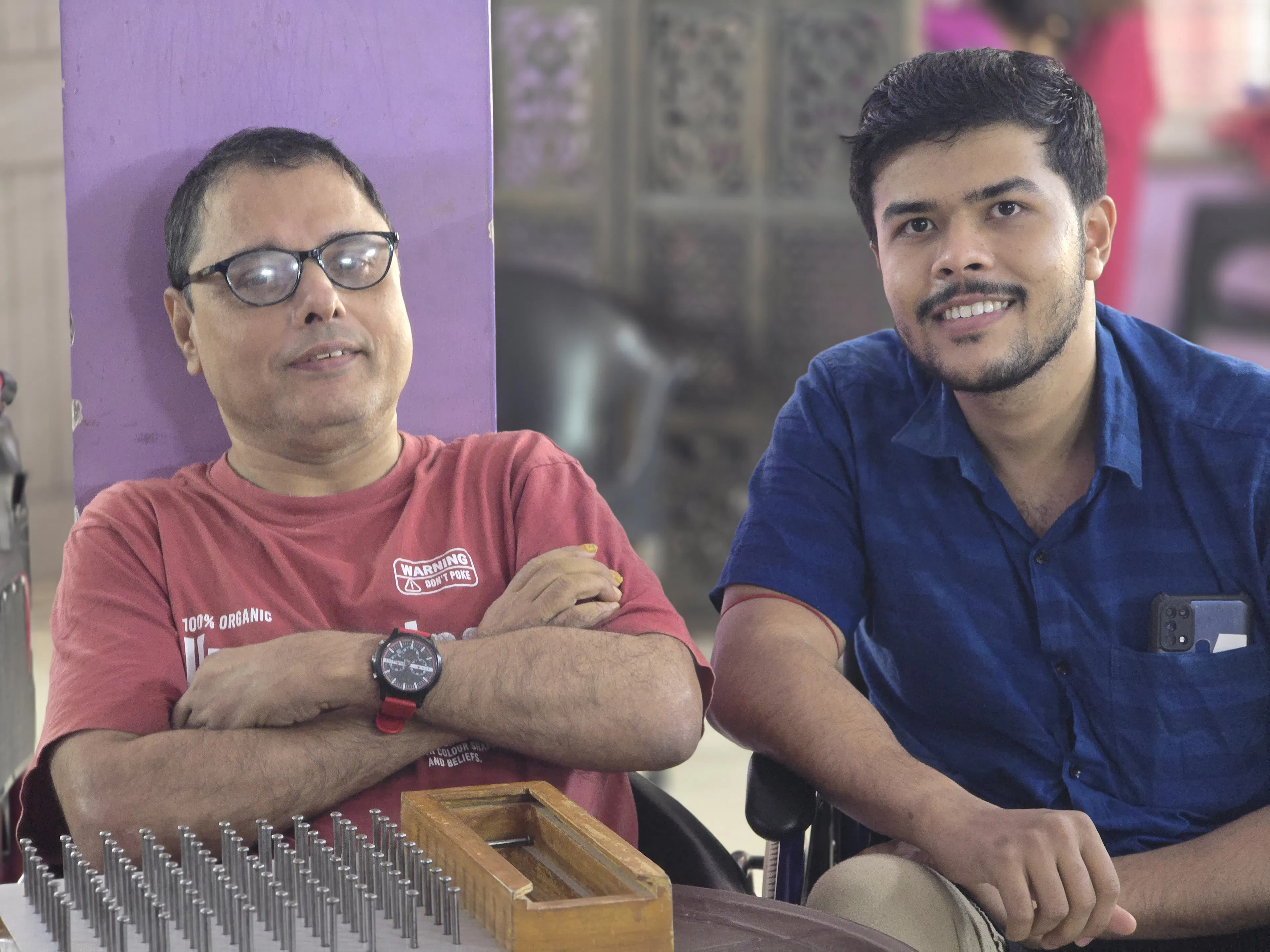
While there is currently no complete cure for Motor Neurone Disease (MND), various medical and supportive interventions can effectively manage the condition. Medications like Riluzole are often prescribed to modestly slow the progression of certain forms of the disease, while other symptom-based drugs address specific issues such as muscle cramps, excess saliva, and pain. Comprehensive rehabilitation and therapy further assist in maintaining motor function and comfort through specialized equipment and planning. Additionally, some patients may access emerging therapies through clinical trials, which continue to advance the treatment landscape and improve daily function for those living with the disease.
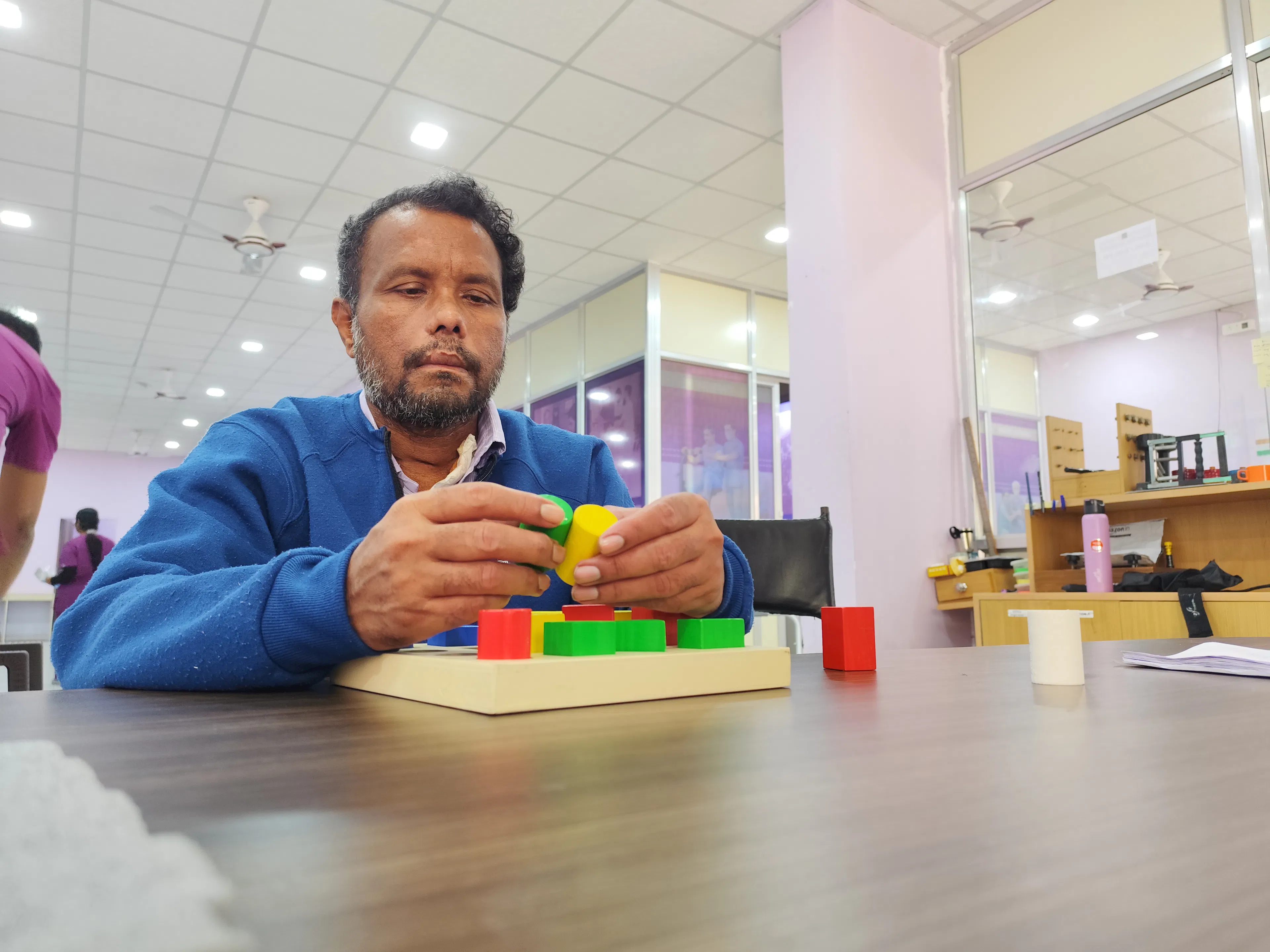
At Rehabana Neuro Rehab Center, our role in motor neuron disease treatment is to provide supportive treatment and rehabilitation – not to replace neurology clinics or MND specialists. We:
Rehabilitation doesn’t stop the loss of motor neurones, but good rehabilitation strategies can significantly relieve symptoms, improve comfort and slow the loss of day-to-day function.
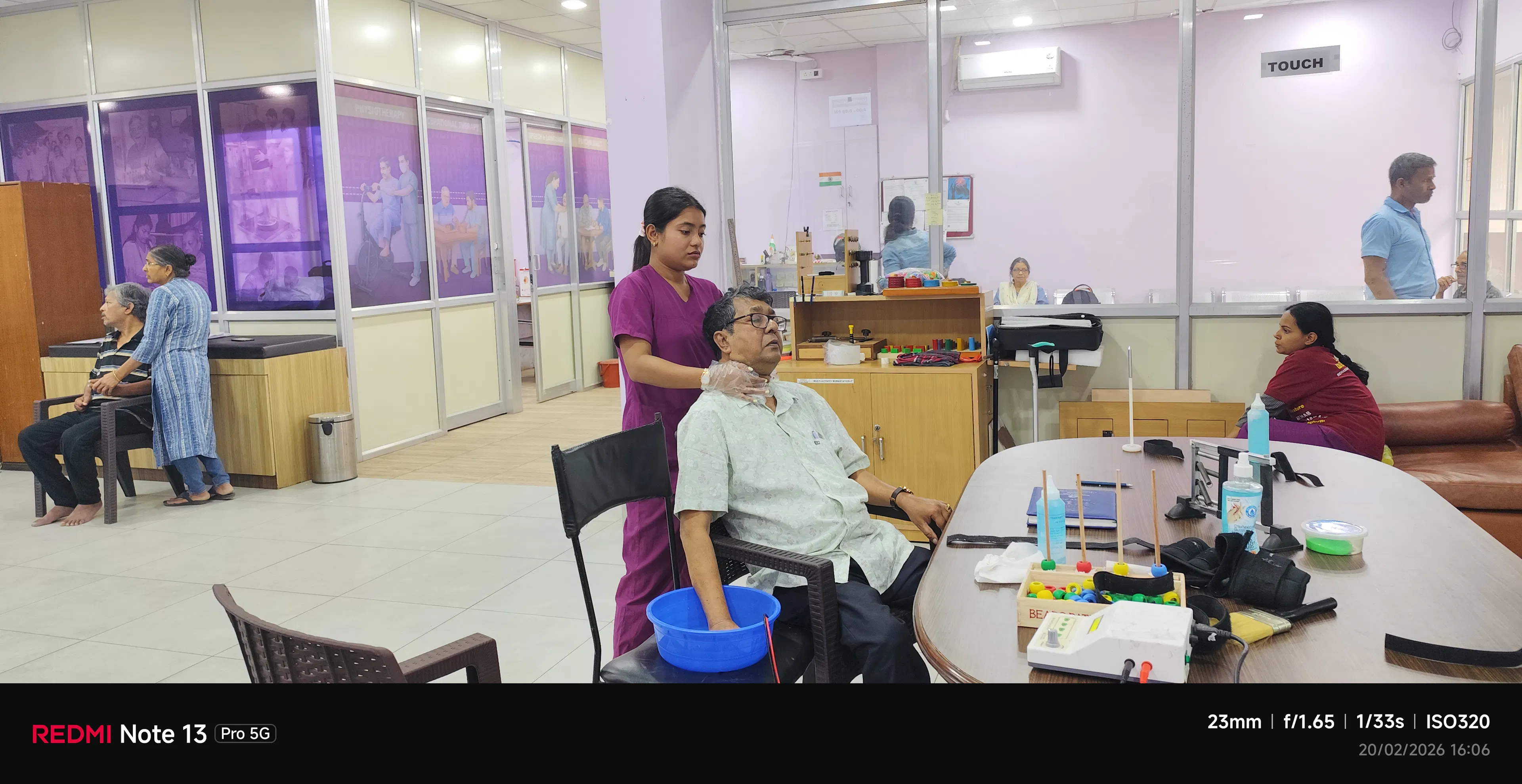
Our team begins with a comprehensive assessment of limb strength, balance, and motor function, alongside an evaluation of swallowing, voice, and respiratory health. We also analyze mobility - including walking and sitting tolerance and the ability to perform daily tasks like dressing and communication. By integrating these findings with your medical history and neurologist's plan, we design a personalized rehabilitation strategy tailored specifically to your daily reality.
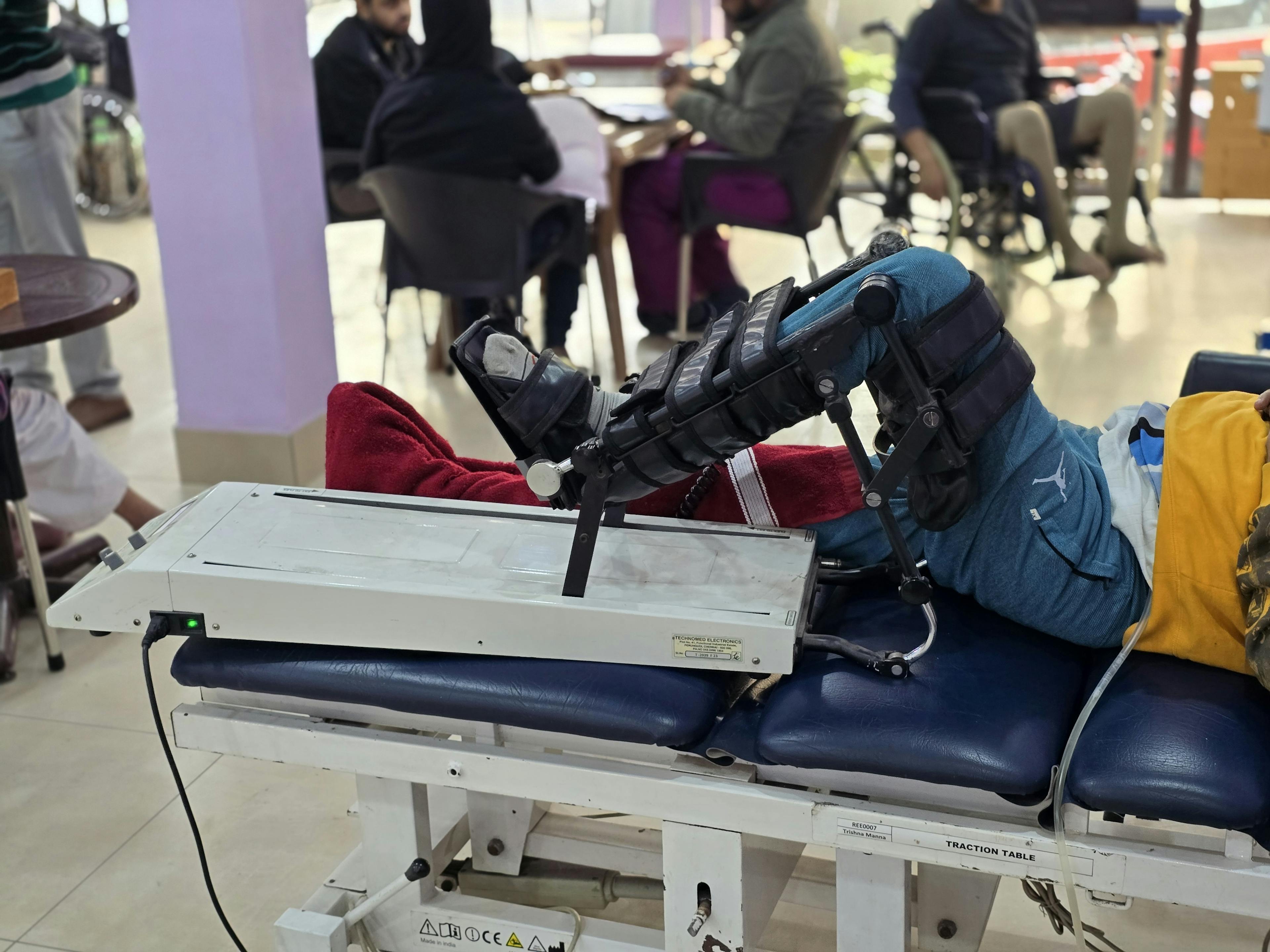
Gentle, controlled physical therapy plays a vital role in maintaining motor function and preserving range of motion during the early and middle stages of the disease. These tailored exercises are designed to reduce stiffness and prevent joint complications while ensuring that muscles are not over-exerted. Because MND can lead to rapid fatigue, our physiotherapists customize every routine to remain safe and effective, always adjusting the intensity to match your specific energy levels and comfort.
Occupational therapists assist individuals with MND by adapting home and work environments to better suit their changing needs. By recommending adaptive equipment - such as grab bars or modified cutlery - and teaching energy-saving techniques, they help patients manage daily routines while minimizing stress and fall risks. This supportive approach is essential for maintaining independence and safety, even as muscle weakness and stiffness progress.
As Motor Neurone Disease impacts speech and swallowing - particularly in cases of progressive bulbar palsy - our team provides specialized strategies to maintain clear communication and safe eating habits. We offer guidance on posture and swallowing techniques to prevent complications, along with assistance in selecting communication aids if vocal strength declines. These interventions are essential for ensuring that individuals stay effectively connected with their families and care teams throughout the course of the illness.
Since neurological conditions affecting the brain and spinal cord can eventually impact respiratory health, we work closely with doctors to monitor breathing function and recommend positions that ease breathlessness. Our team also educates families on identifying critical signs that require urgent medical intervention. While we do not provide intensive in-house ventilation, we coordinate directly with your hospital team to ensure your rehabilitation remains perfectly aligned with your medical care.

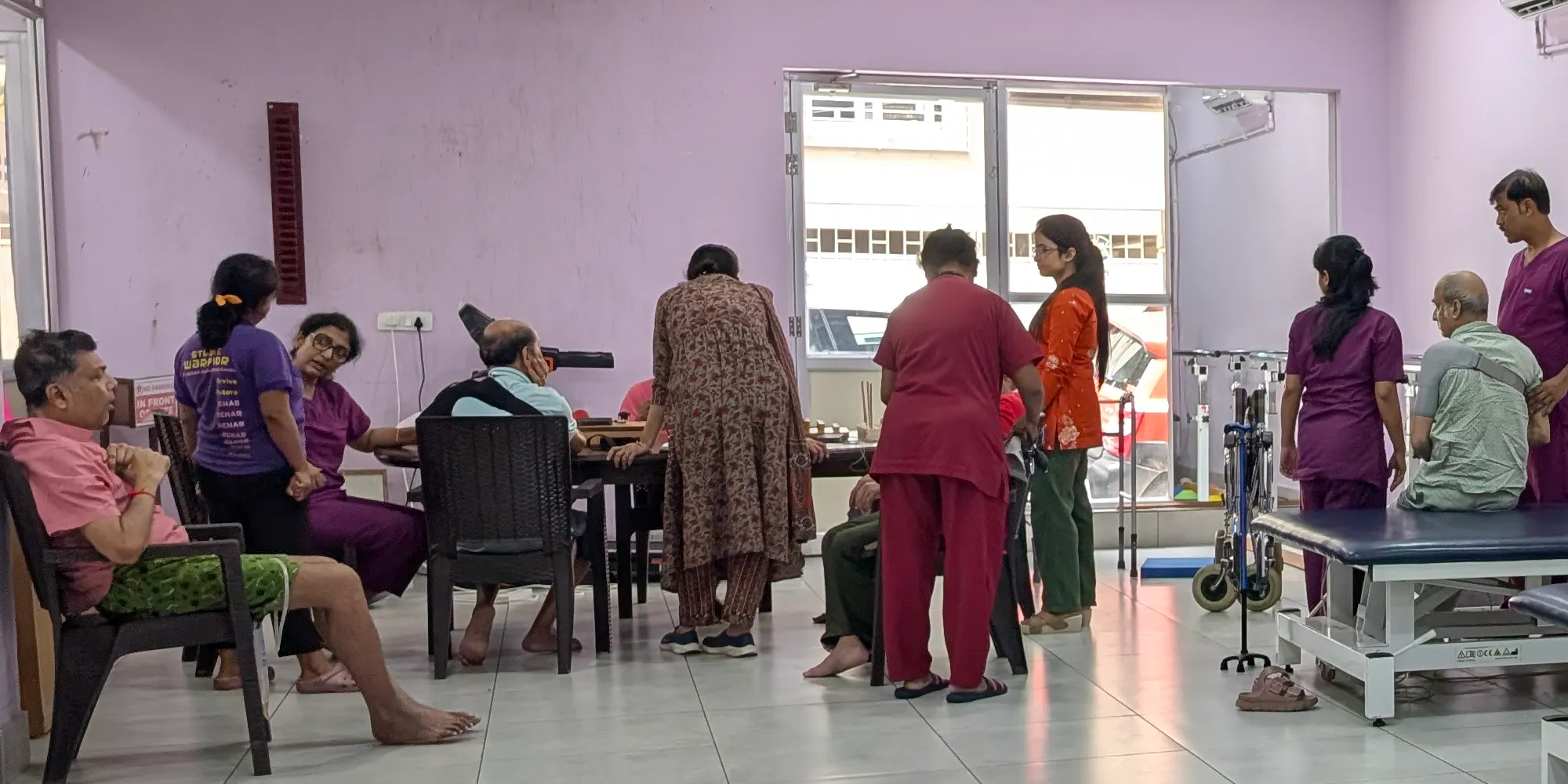
At Rehabana, we prioritize a patient-centric, multidisciplinary approach to care, bringing together rehabilitation doctors, therapists, and counselors specialized in neurological disorders. Our team works collaboratively to manage the physical challenges of MND - such as weakness, stiffness, and speech difficulties - as well as the associated fatigue and emotional stress. Acknowledging the profound nature of this diagnosis, we focus on providing honest, hopeful communication and helping patients make choices aligned with their values while offering dedicated support to families and caregivers throughout every stage of the journey.

Global research led by organizations like the National Institute of Neurological Disorders and Stroke continues to investigate the underlying causes of MND while developing new treatments to protect nerve cells and slow muscle loss. While Rehabana does not conduct drug trials directly, we actively support patients enrolled in research through integrated rehabilitation and help families navigate complex medical information in clear, simple language. We encourage all patients to consult their neurologists regarding clinical trials and experimental therapies that aim to improve motor function and long-term comfort.

People living with MND and their families often feel alone and frightened. MND symptoms like fatigue, stiffness, and slurred speech can lead to social withdrawal and emotional pain, even before physical losses become severe.
At Rehabana, we:

Motor neurone disease is complex and serious. The content on this page is for education and support only – it cannot replace the advice of your neurologist or specialist team. Always talk to your doctor before starting or changing any treatment for motor neurone disease or exercise program.
If you or someone you love has been diagnosed with motor neurone disease / motor neuron disease, and you want gentle, structured supportive treatment and rehabilitation to manage symptoms and maintain function, Rehabana’s team is here to walk this journey with you.
Knowledge That Guides Recovery
Get expert neuro rehabilitation tips from the doctors at Rehabana, Kolkata — simple guidance on stroke recovery, spinal cord injury rehab, Parkinson’s care, and enhancing quality of life after neurological conditions.
Returning to West Bengal after hospital treatment? Continue structured, multidisciplinary Neuro Rehabilitation closer to home with Rehabana.
Read More
Join the Neuro Rehabilitation Support Network, a community initiative convened by Rehabana. Connect with survivors, caregivers and professionals to learn, share and rebuild life together.
Read More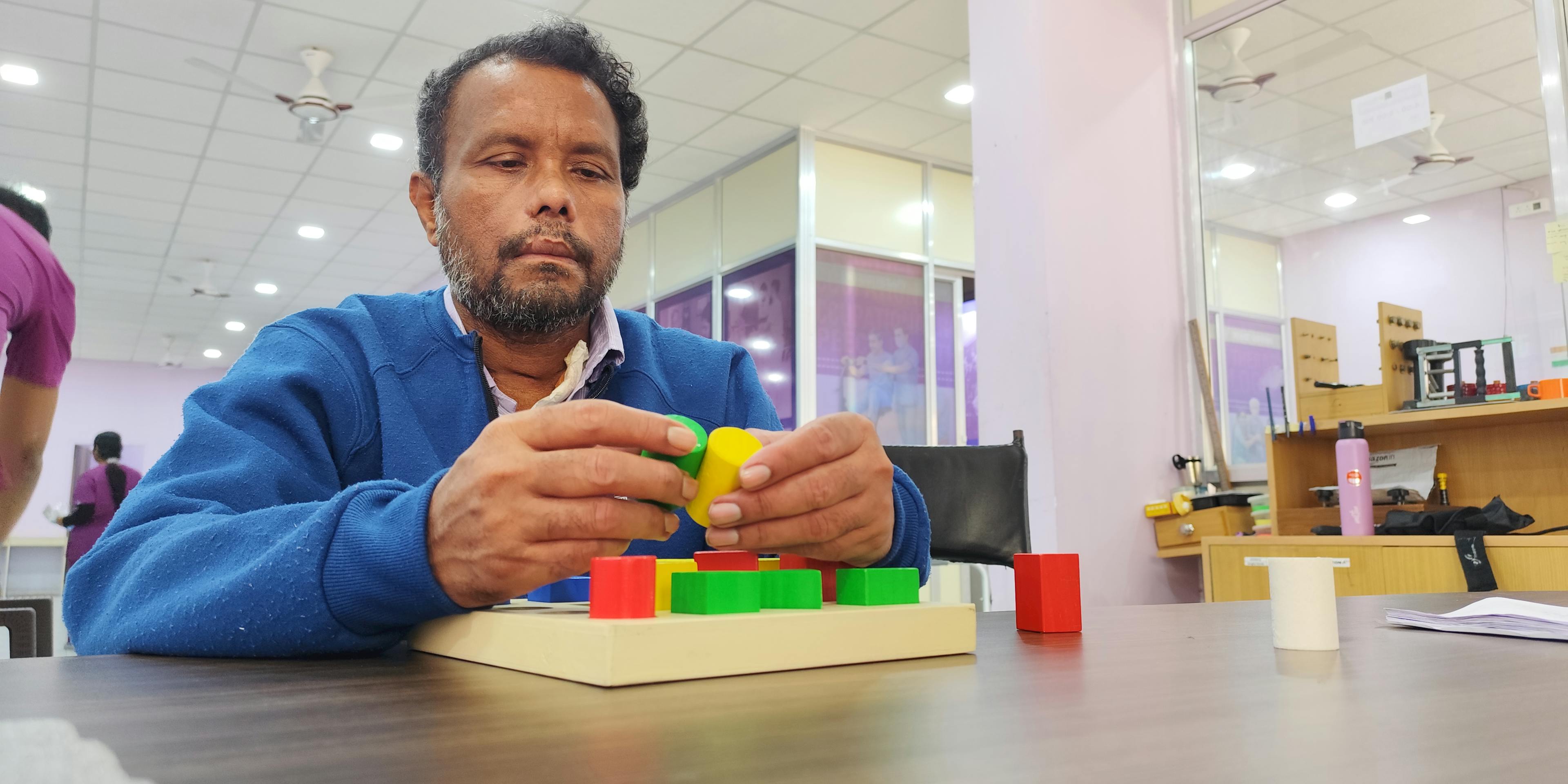
Complete Parkinson's home care guide for families, rehabilitation, safety and daily living.
Read More